
Cabinet painting
Painter in Vaughan — Sprayed in a Booth, Not Brushed
A cabinet door is looked at from a foot away, in daylight, several times a day. It is the least forgiving surface in the house, and a brush cannot meet it.
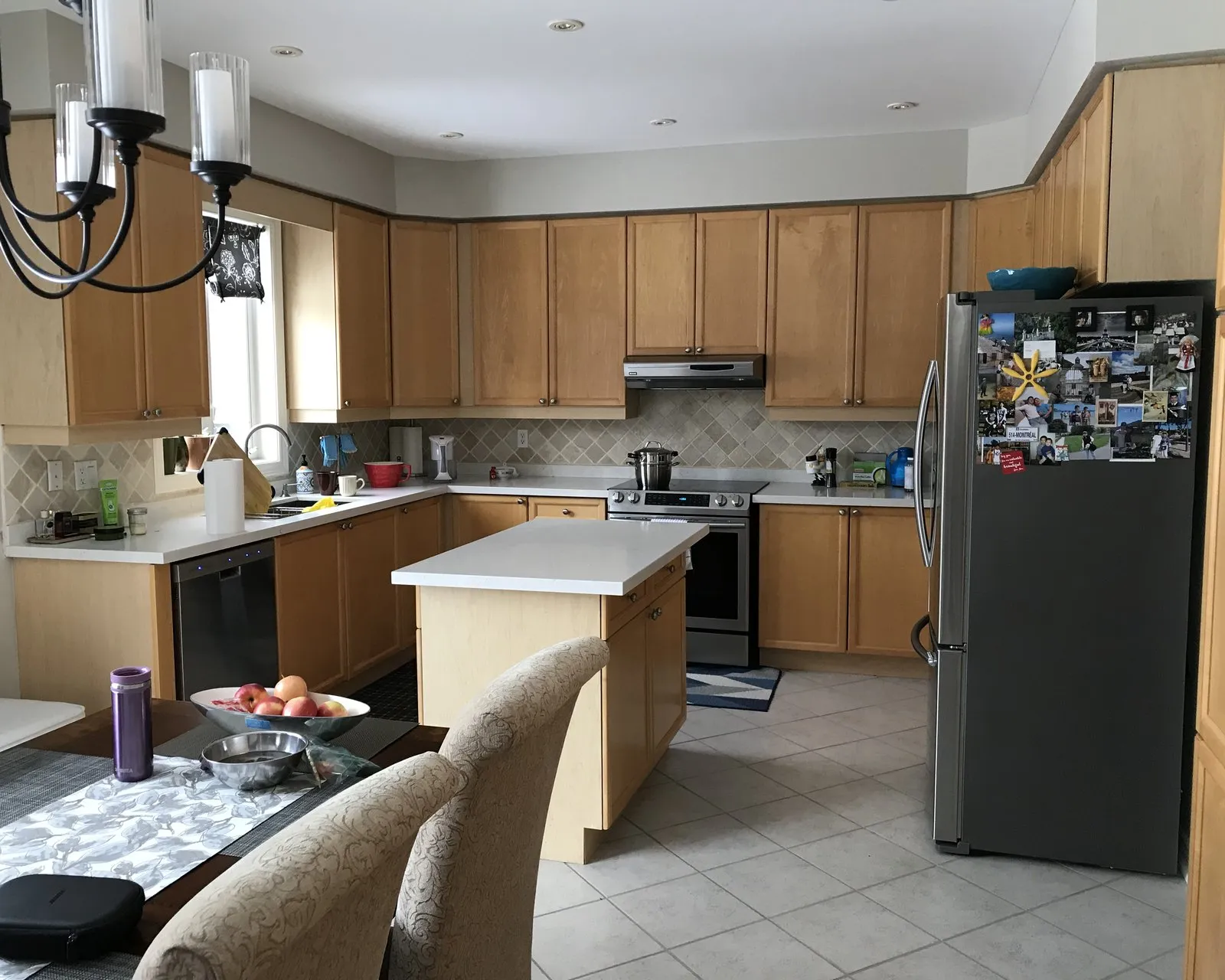 Before
 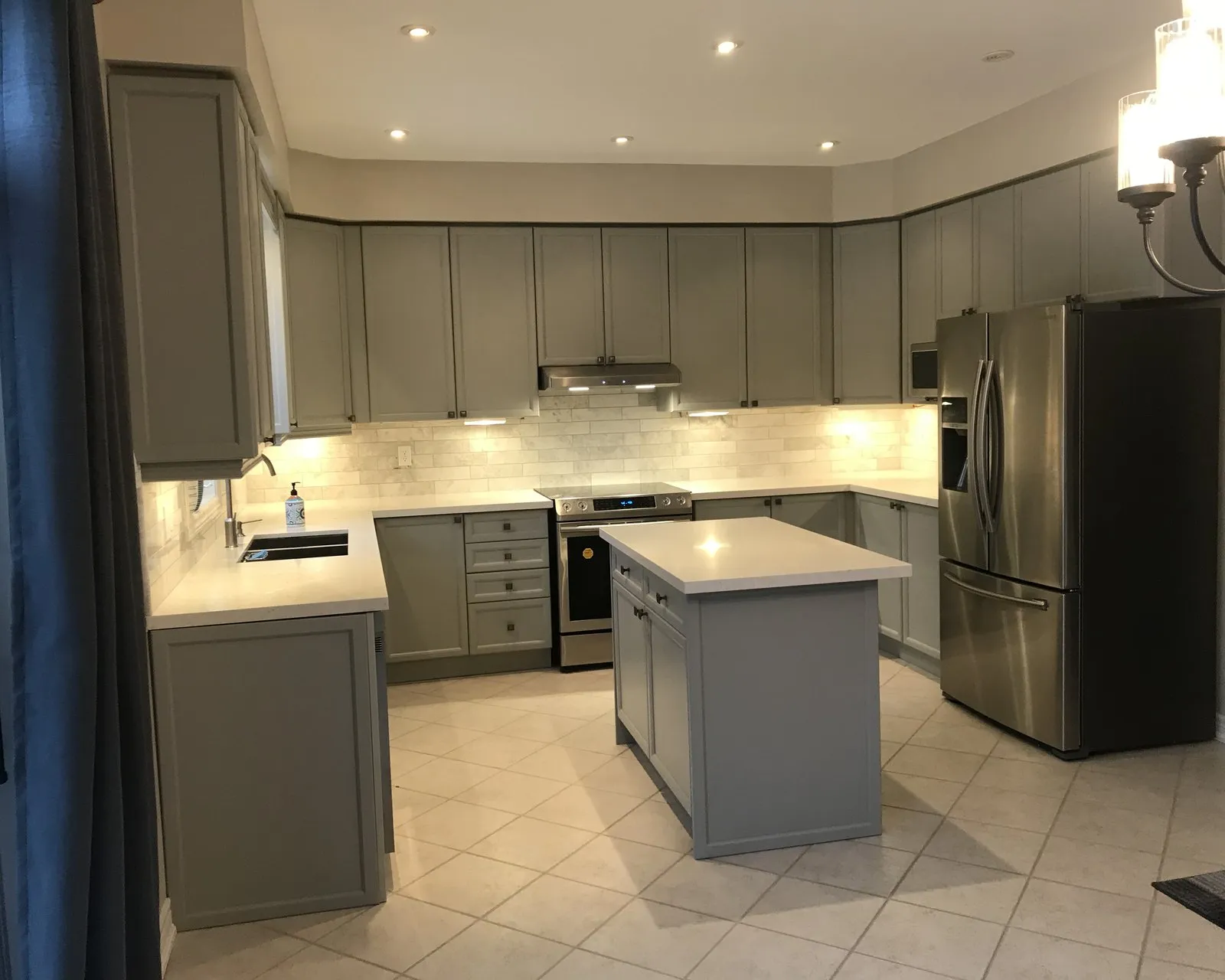 After
After 2–3 weeks
Most of it with a working kitchen
2K
Catalysed, not water-based
5 years
On the finish and the workmanship
4.9
Rated on Google
What cabinet painting is competing against
Nearly every quote you will get is for brushing and rolling in your kitchen. It is quick, it is cheap, it needs no equipment, and on a wall it is exactly right.
A wall is looked at from across a room. A cabinet door is looked at from a foot away, at eye level, in daylight from a window, several times a day, and it is touched. Brush marks that are invisible on a wall are conspicuous on a door; stipple from a roller reads as texture; and a lap line where a wet edge met one that had begun to dry is permanent.
Cabinet painting done properly is a different trade rather than the same trade applied more carefully. The doors come off and go somewhere with filtered air. The finish is atomised rather than dragged. The surface has no direction in it at all, which is what a factory finish means and why it does not look painted.
The two reasons painted kitchens fail
Almost every cabinet finish that lets go does so for one of two reasons, and neither is the colour.
Grease and wax. Kitchens accumulate cooking residue, and most cabinets have had furniture polish or a wax-based cleaner over them at some point across their life. Standard preparation uses TSP, which is water-based, and water-based chemistry does not dissolve wax. It removes the visible grease and leaves an invisible barrier, so the primer bonds to the wax rather than to the door. That kitchen looks excellent for a year and then begins letting go around the handles, where hands put the most stress on it.
We use a proprietary solvent-based degreaser instead. It cuts the waxes TSP leaves, and because it is not water-based it does not swell timber or raise grain the way TSP does on solid wood.
A coating that stays soft. Most cabinet painters use a water-based product because it is cheaper, easier to work with and more forgiving of imperfect technique. It also stays softer, and kitchen doors are knocked with pans, scraped by rings and cleaned with degreasers. A soft film loses that argument over a few years.
What we spray instead
2K polyurethane — two components mixed immediately before use, which then react chemically rather than simply drying. The result is a cross-linked film: harder, more resistant to kitchen cleaners and cooking oils, and much less prone to chipping through to bare substrate.
It also does not yellow, which is the thing that eventually dates a white kitchen even when the finish is otherwise intact.
The primer is tinted to your topcoat colour rather than left white, so when a door eventually takes a deep knock what shows through is the same shade instead of a bright scar.
None of this is the cheapest way to paint a kitchen. The material costs several times what cabinet enamel costs and cannot be kept once catalysed. We are premium-priced across the GTA and what we compete on is how the kitchen looks in year five.
Where cabinet painting stops being the right answer
Worth saying before you spend anything.
Painting keeps the door profile you have. If the profile is what you dislike — a raised panel in a kitchen you want to read as flat — then a perfect finish on the wrong door solves nothing, and refacing is the honest recommendation even though it costs more.
It also cannot help a door that has swollen at its bottom edge or a frame that has racked. And where the doors are solid timber with grain worth showing, covering them is a decision that cannot be reversed cheaply; refinishing is the direction to look first.
We say which one your kitchen wants before quoting it, and sometimes that means quoting a service other than the one you called about.
Where the work actually happens
The job splits in two, and the split is not a convenience — it is the reason the result looks the way it does.
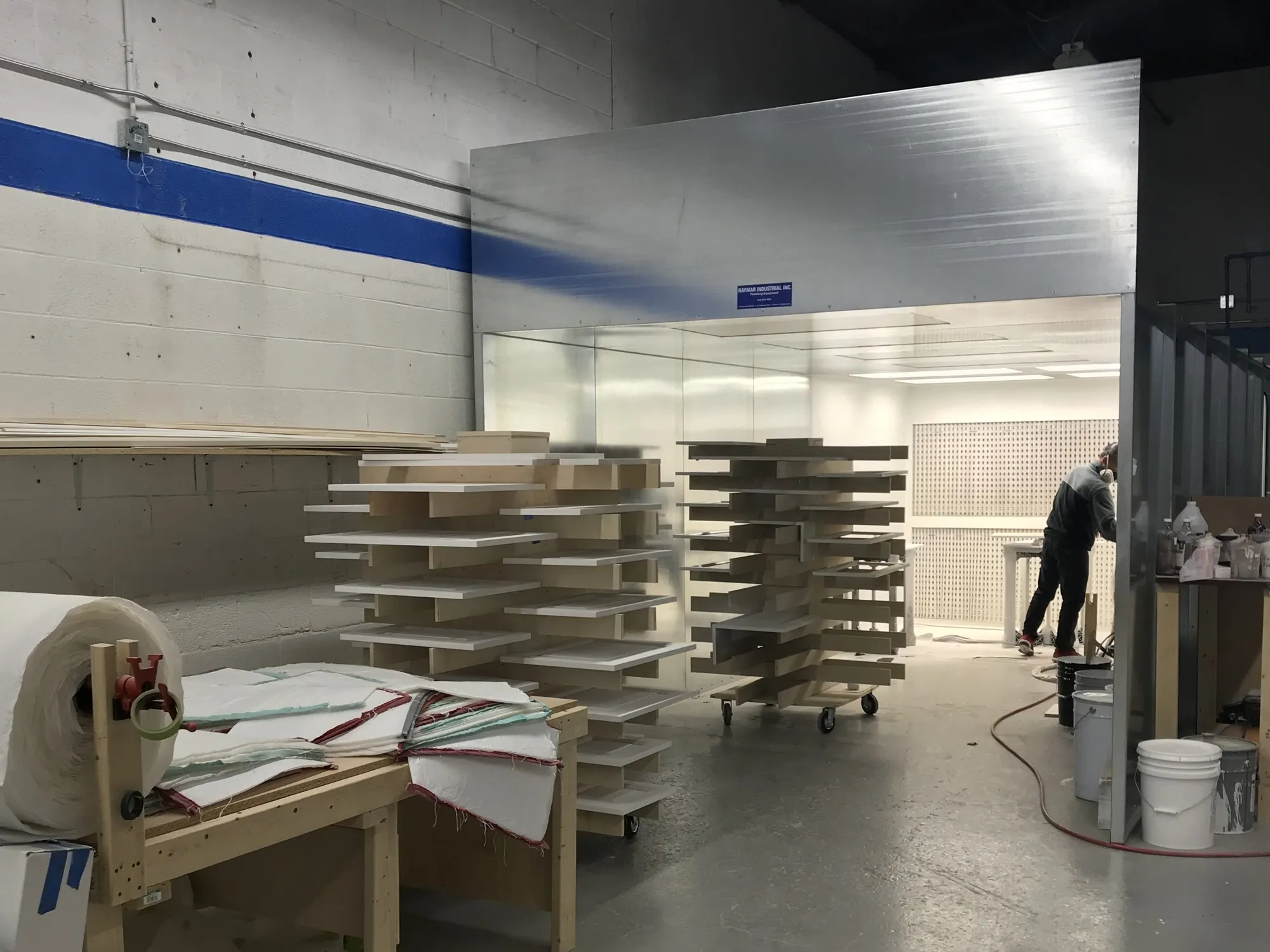
The doors go to the booth. Filtered air, controlled temperature and humidity, extraction that pulls overspray away from the work. Nothing settles on a wet panel. Cure conditions are the same in February as in July, which matters because a catalysed finish cures by reaction and reactions care about temperature.
The frames stay. Cabinet boxes cannot come off the wall, so they are sprayed in your kitchen behind sealed containment with filtration running — same product, same colour, same day, so the finished room reads as one surface rather than as two materials that nearly match.
That division is why the project has a fortnight in the middle where nothing happens at your house, and a few days at the end where a great deal does.
The three weeks, and which of them you notice
The whole project runs two and a half to three weeks, and the shape of it matters more than the total.
Day one. Doors, drawer fronts and any removable panels come off, are labelled, and go to the shop. Colour is chosen here rather than in advance — we bring physical sprayed samples and hold them against your countertops, your floor and your light at the time of day you actually use the room. That is a different decision from picking a chip in a shop, and people change their minds at this point more often than they expect to.
The fortnight in the middle. Nothing happens at your house. Your kitchen works in every respect — sink, appliances, countertops — with open shelving where the fronts used to be. Most people report this being far less inconvenient than they had braced for, and it is the part of the schedule nobody believes until they live it.
The last few days. Containment goes up, the frames are degreased, sanded and sprayed in place, and then the doors come back, get hung, and every one is adjusted so it sits square and closes properly. We ask you out of the house for the two or three days of actual spraying. Containment keeps solvent out of the rest of the house; it does not make the kitchen a pleasant place to be while it is running.
Then we walk every cabinet with you before anything is signed off.
Recent work
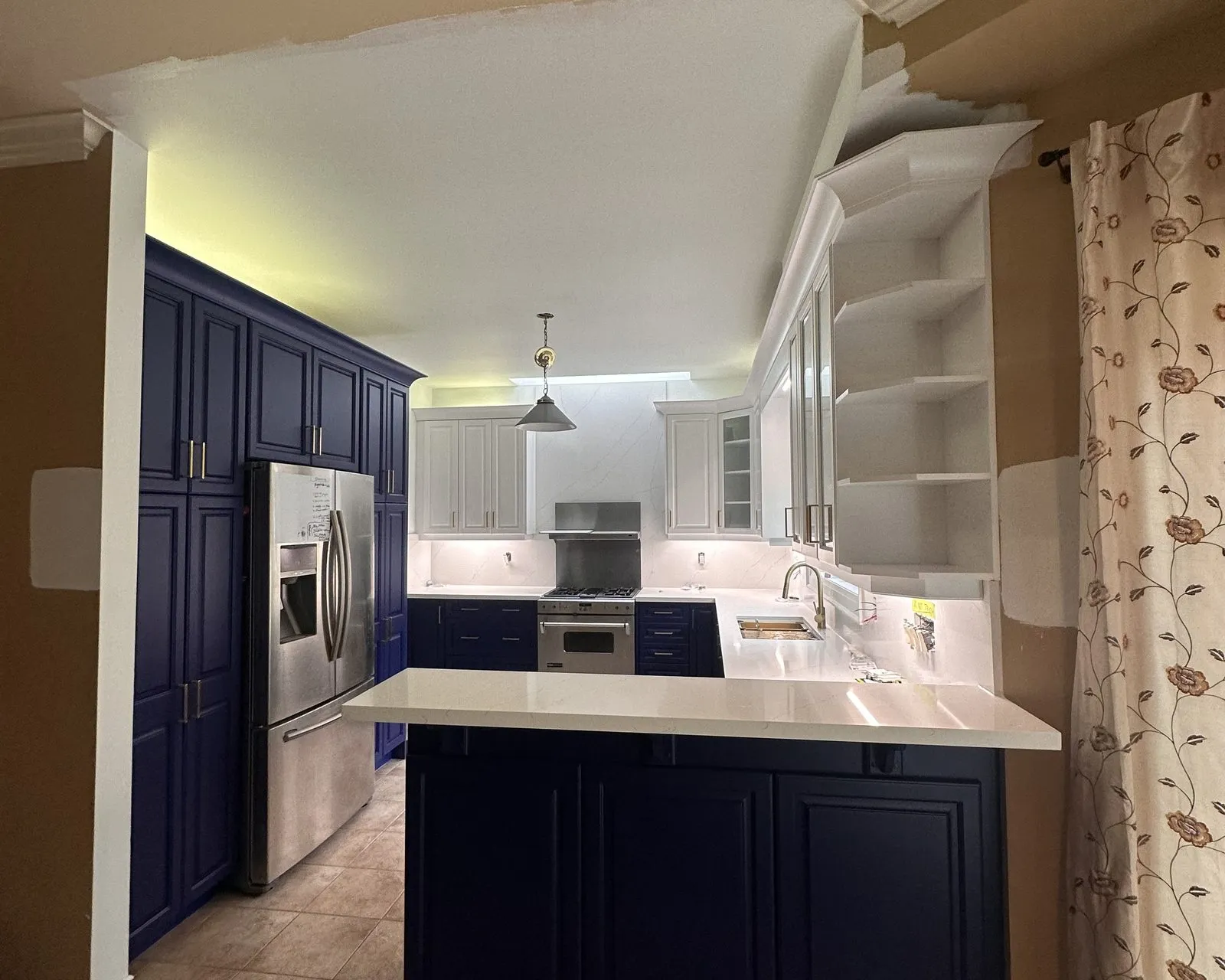
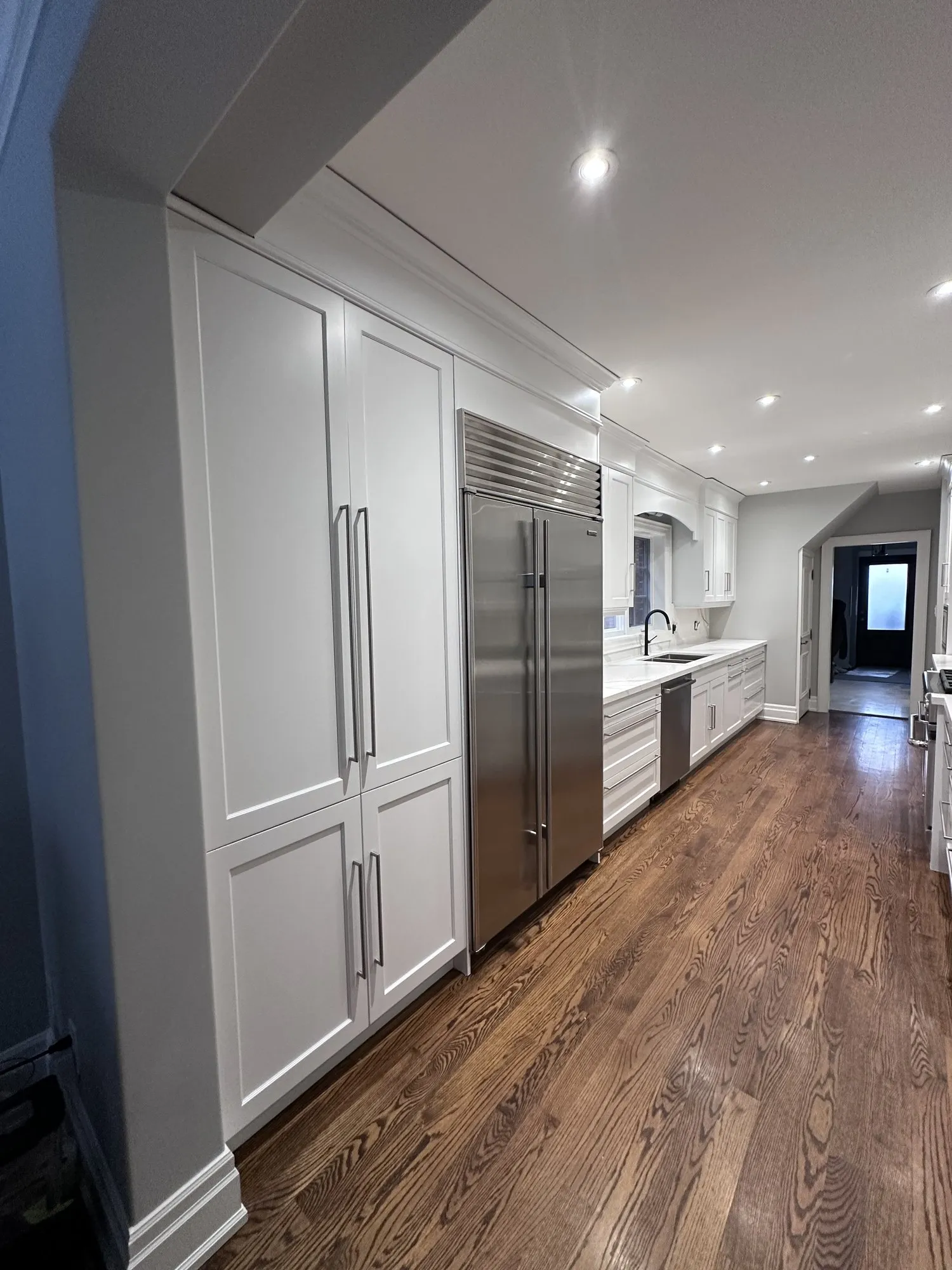
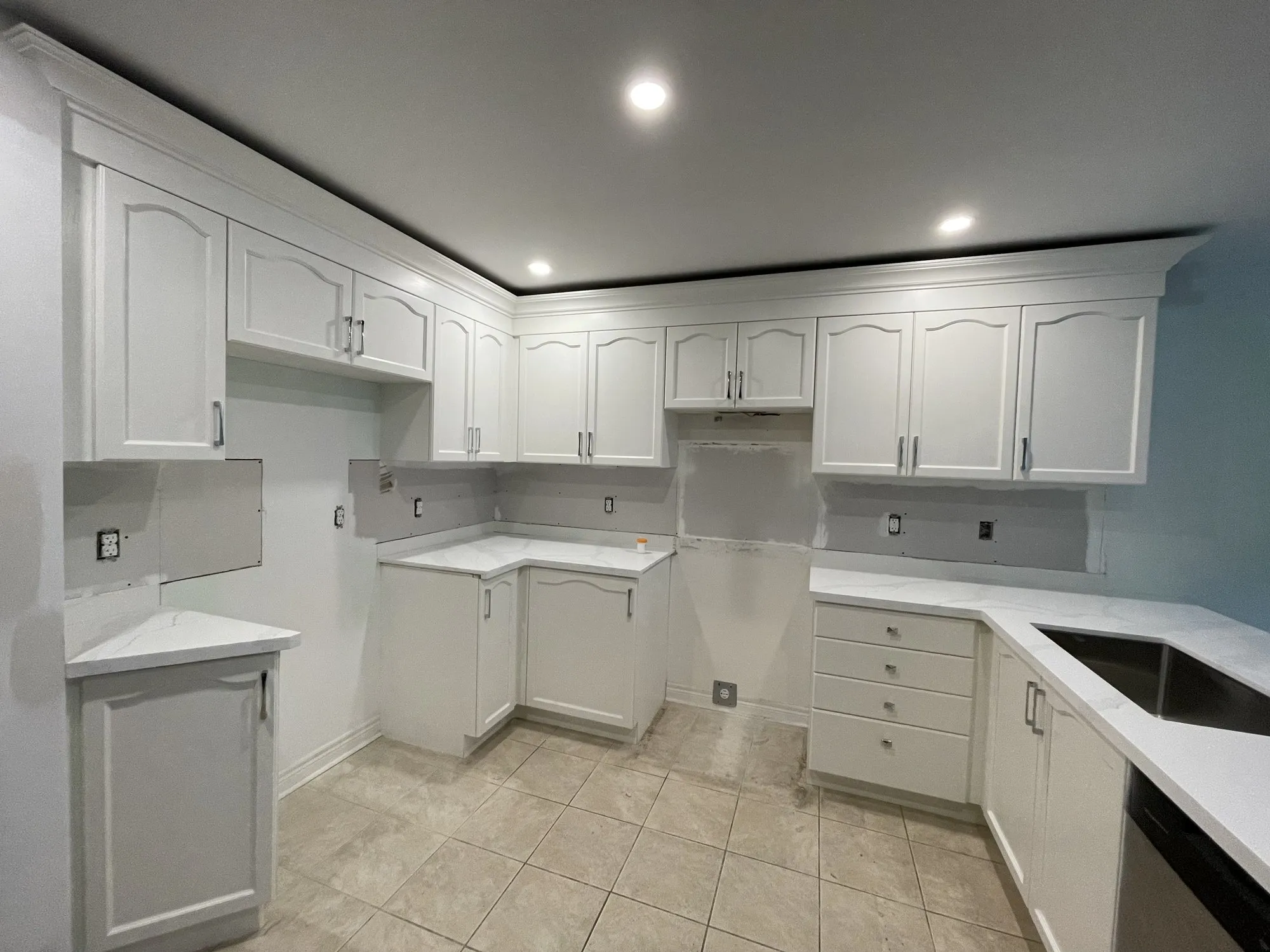
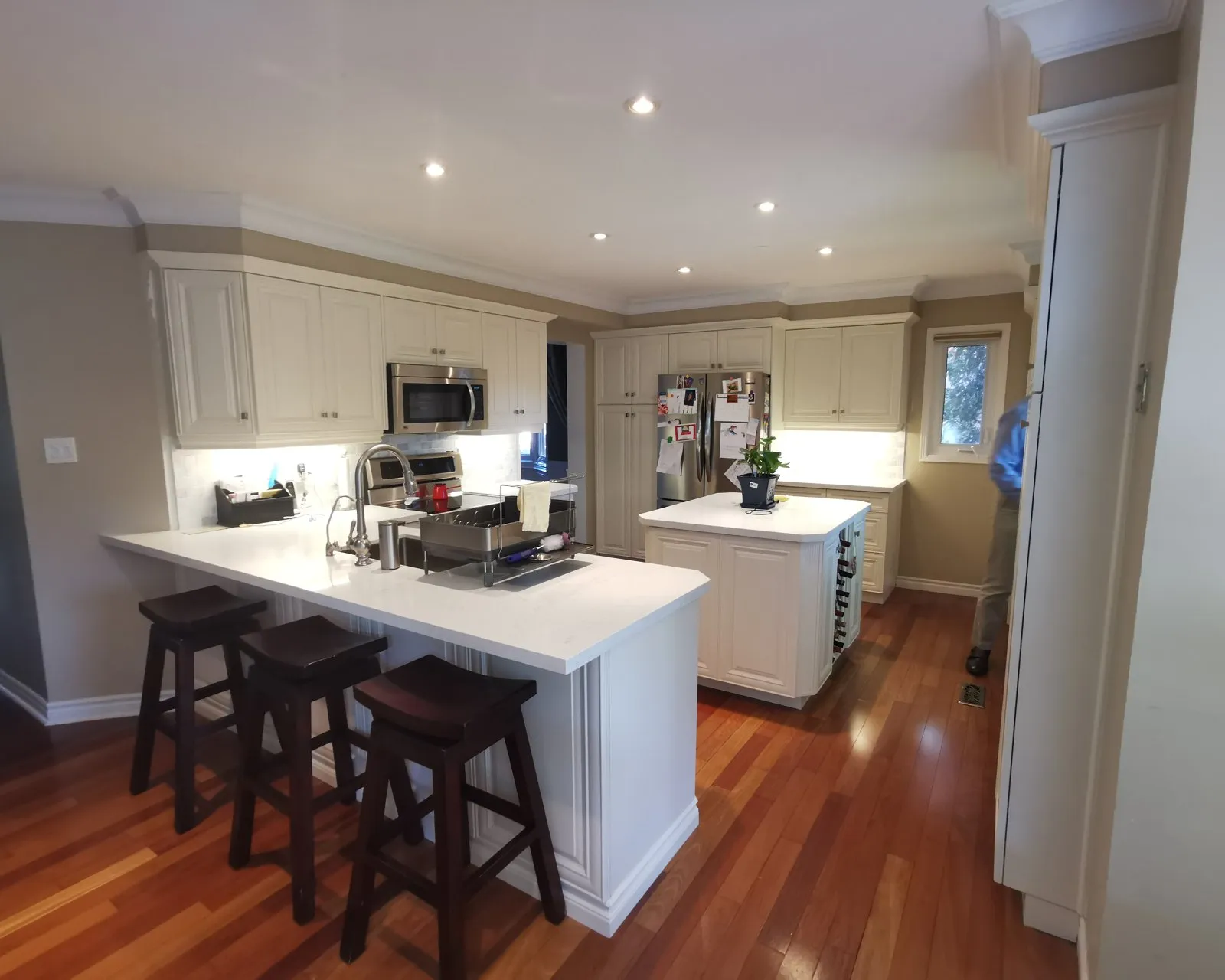
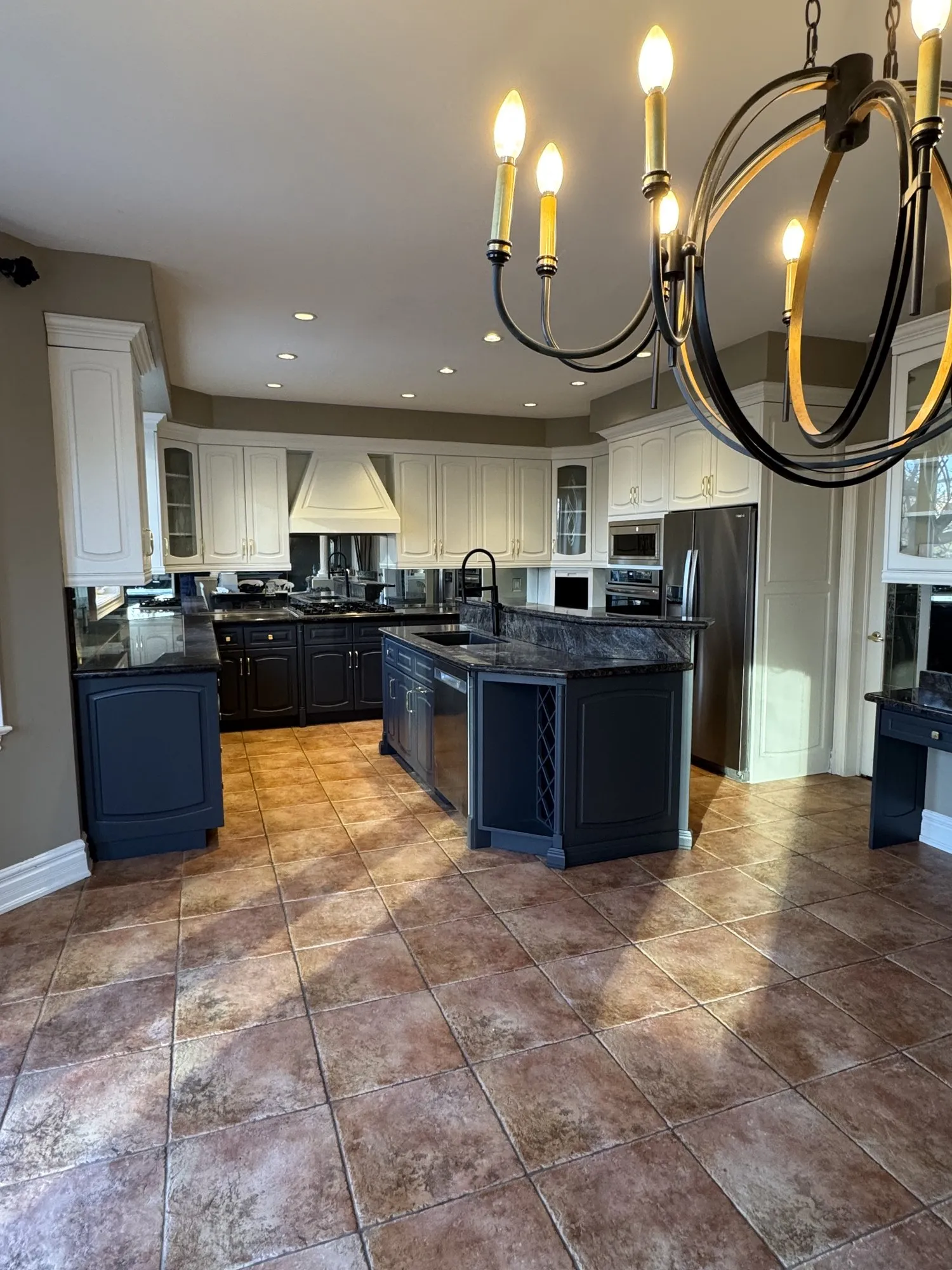
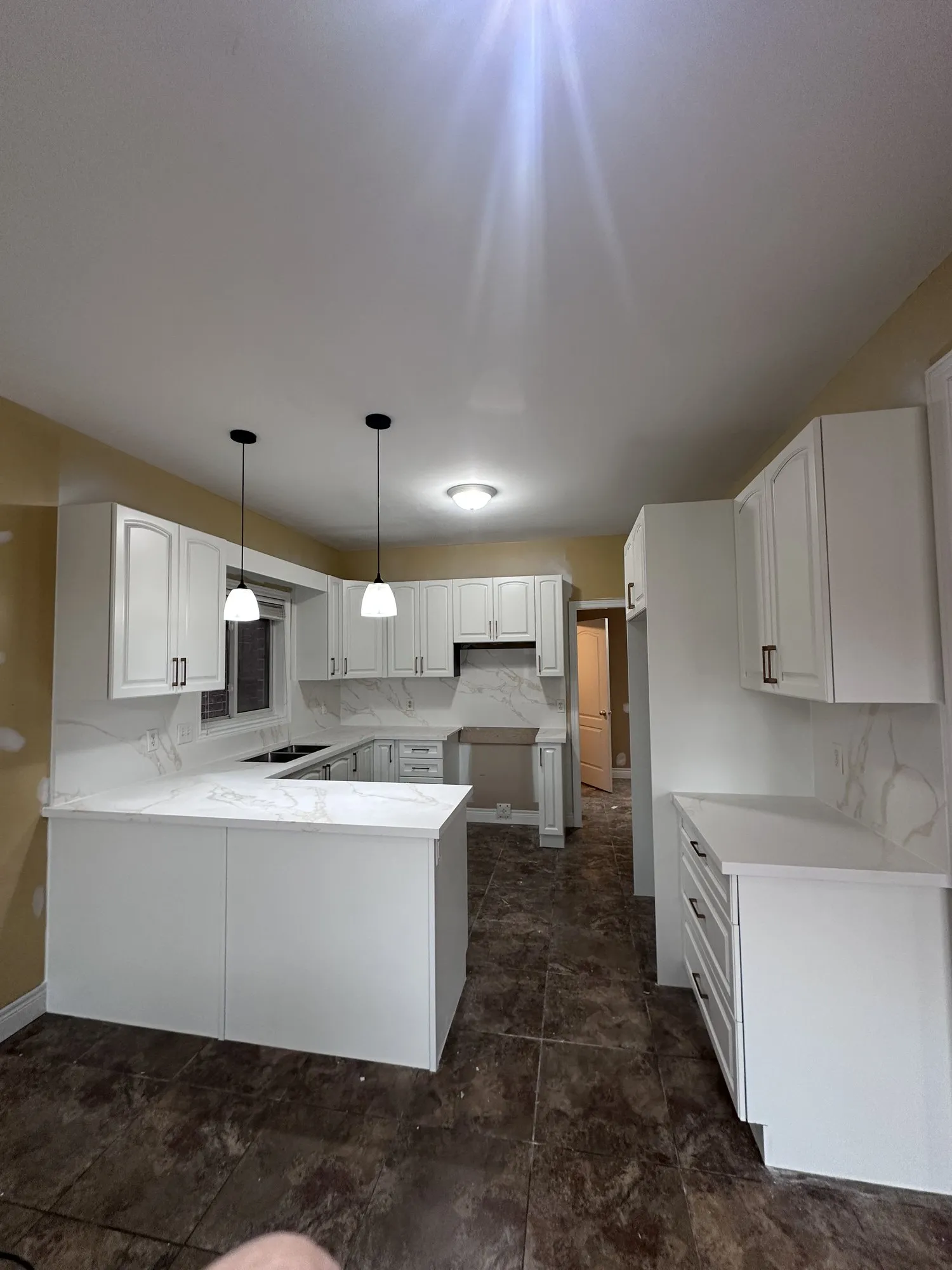
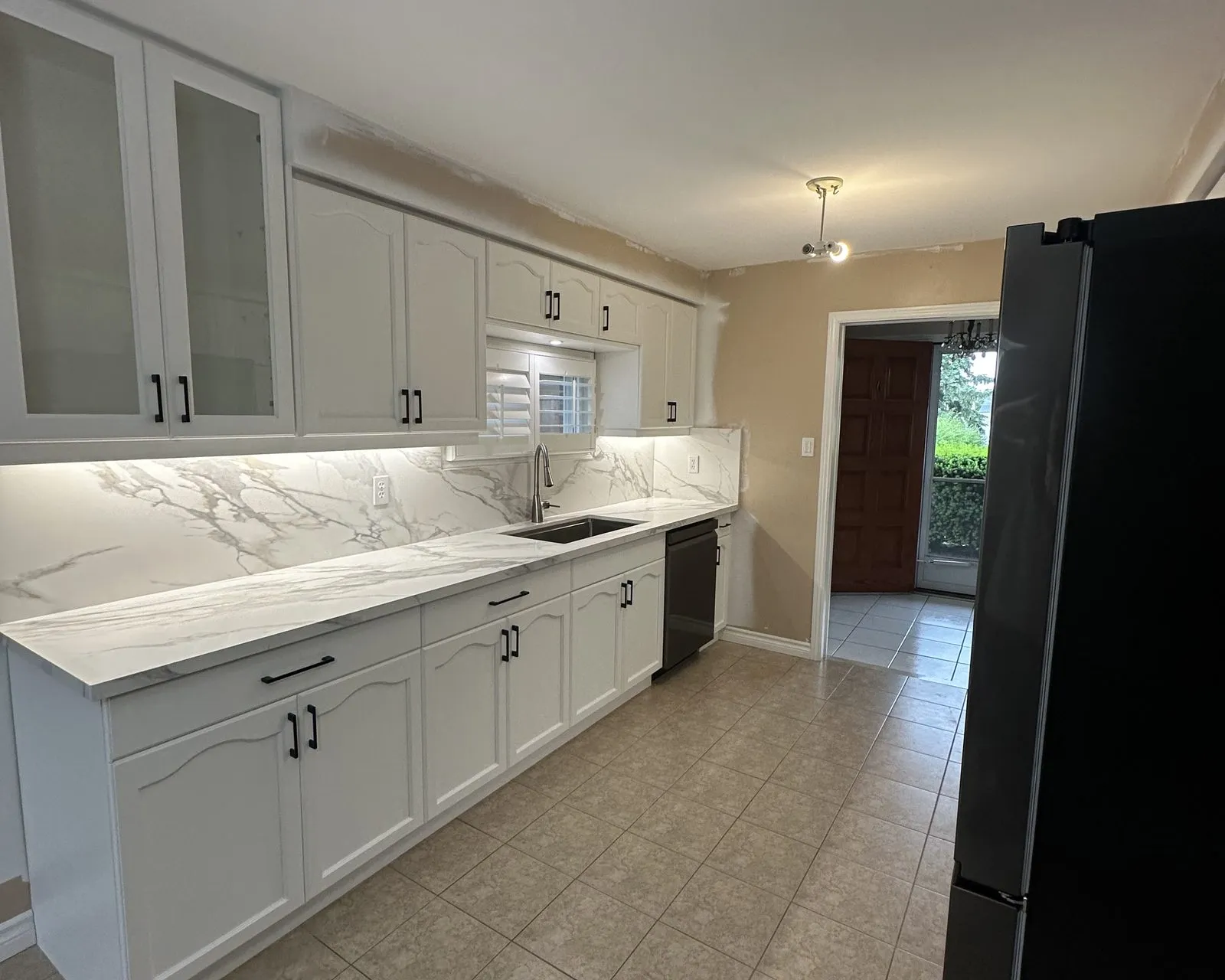
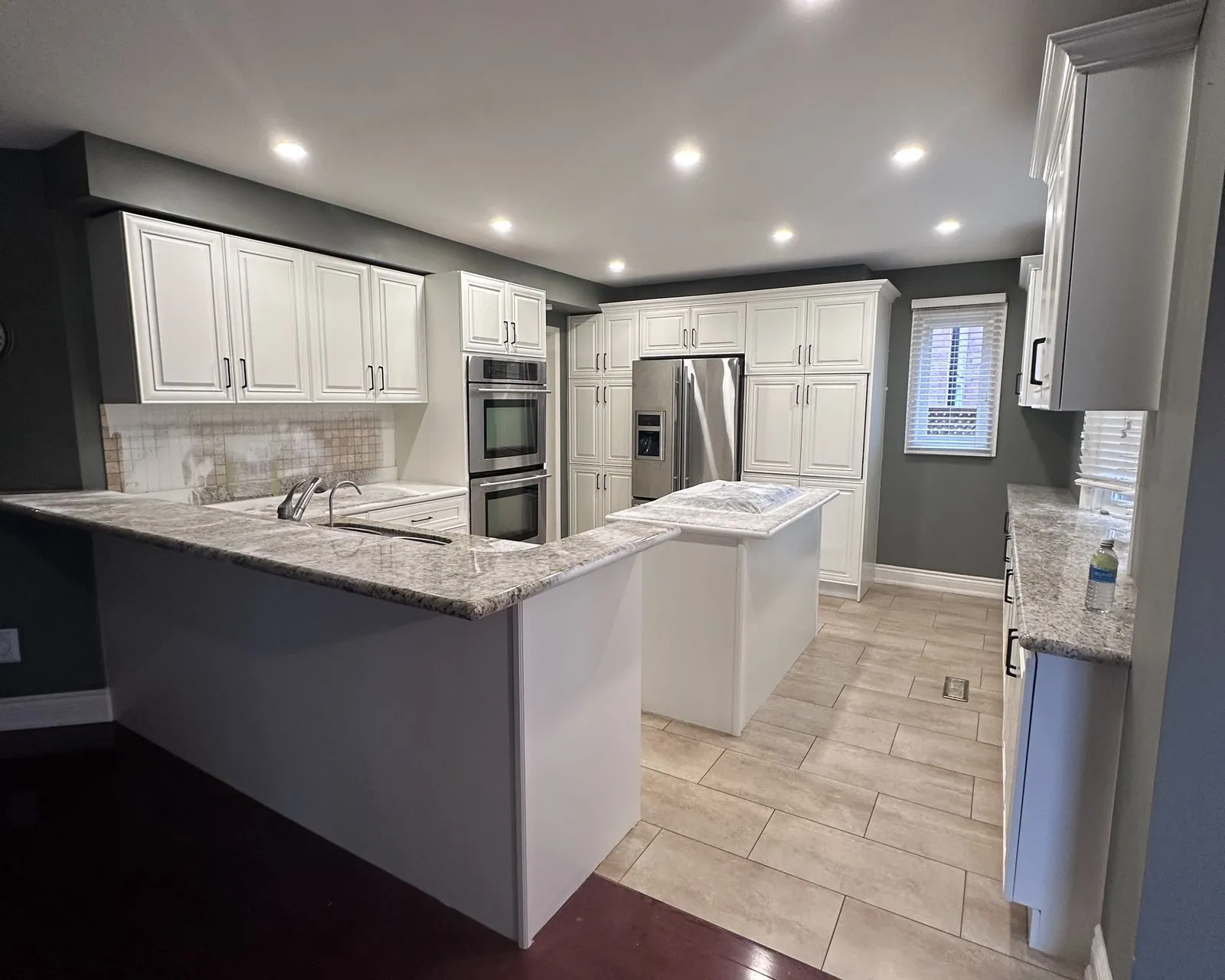
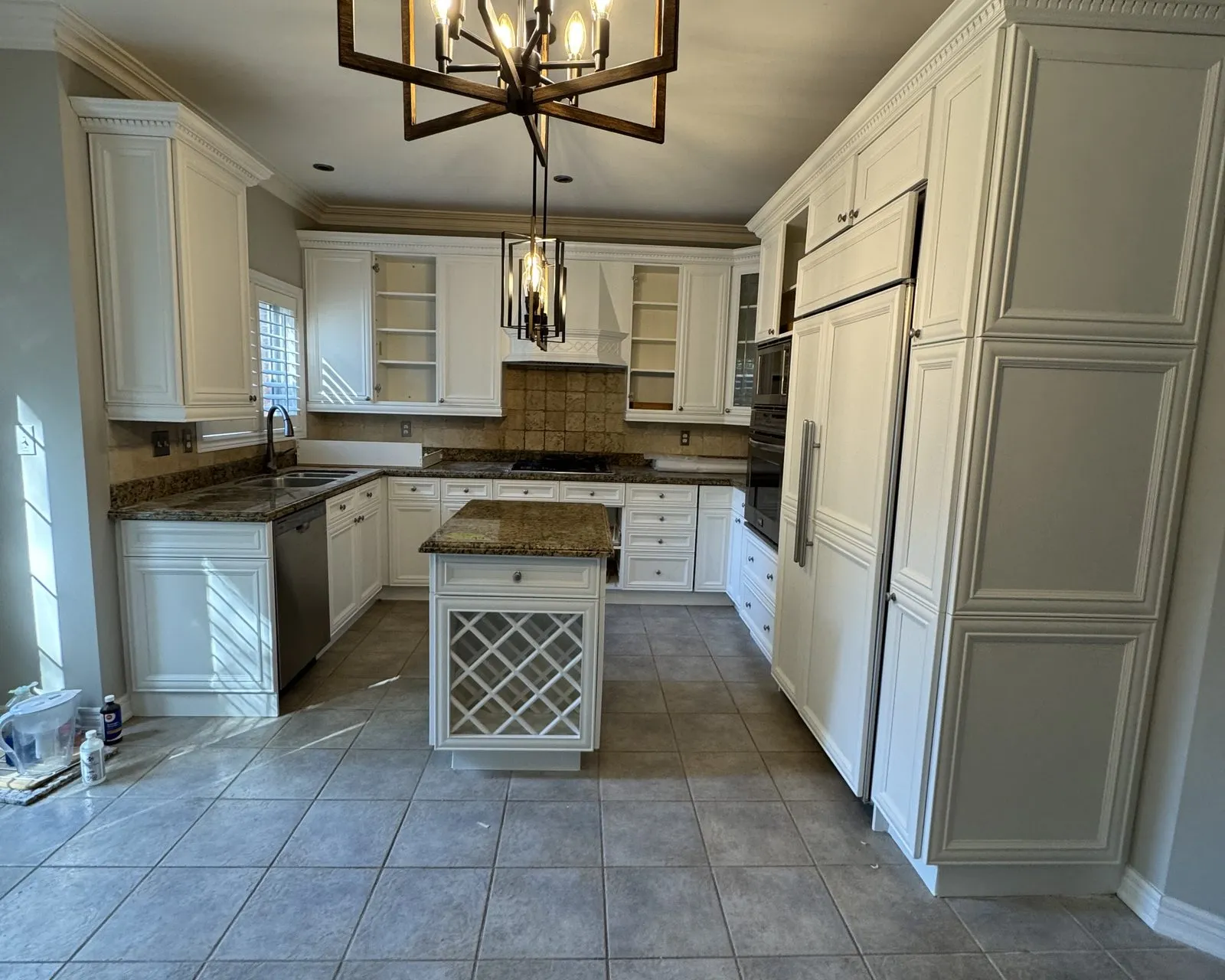
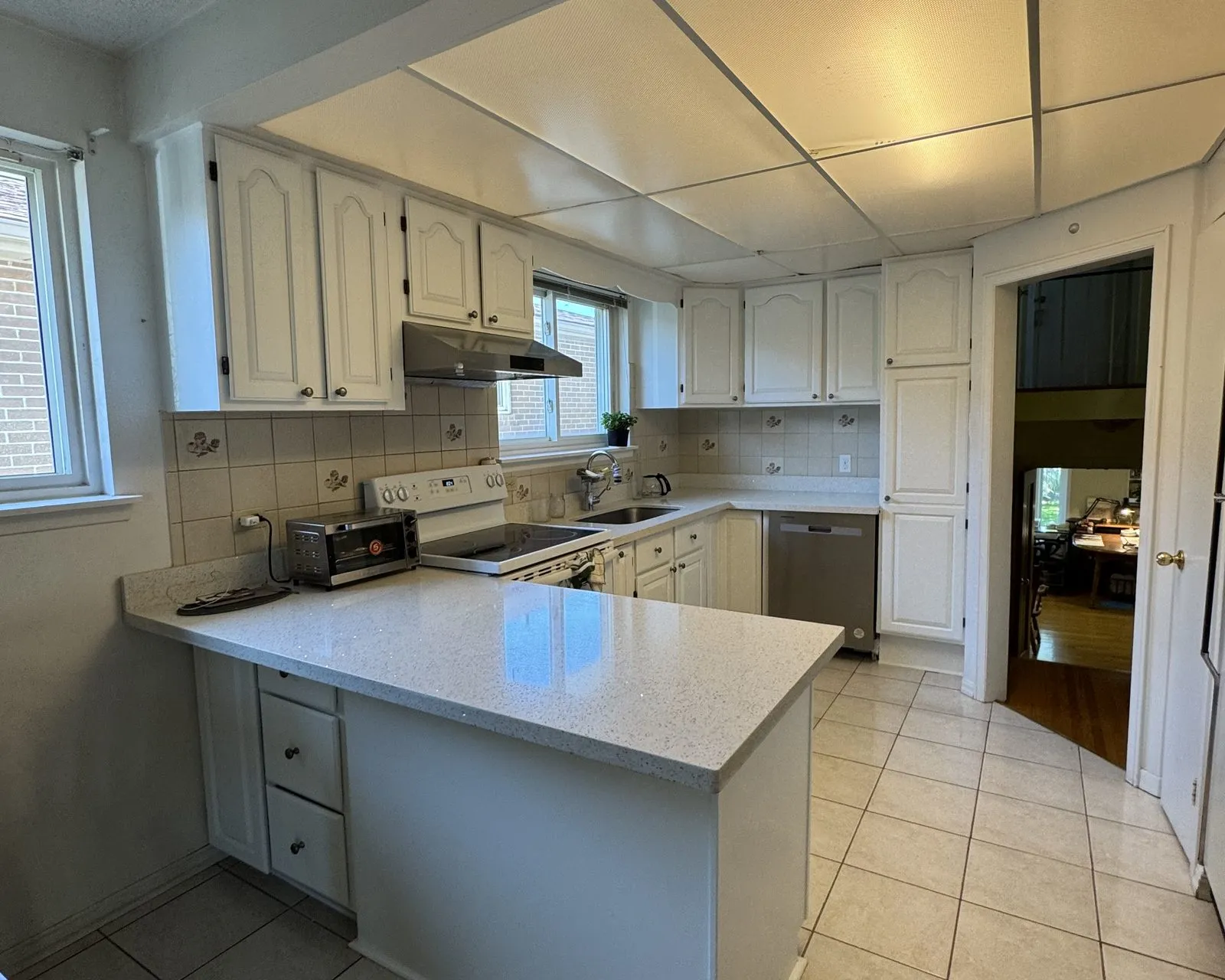
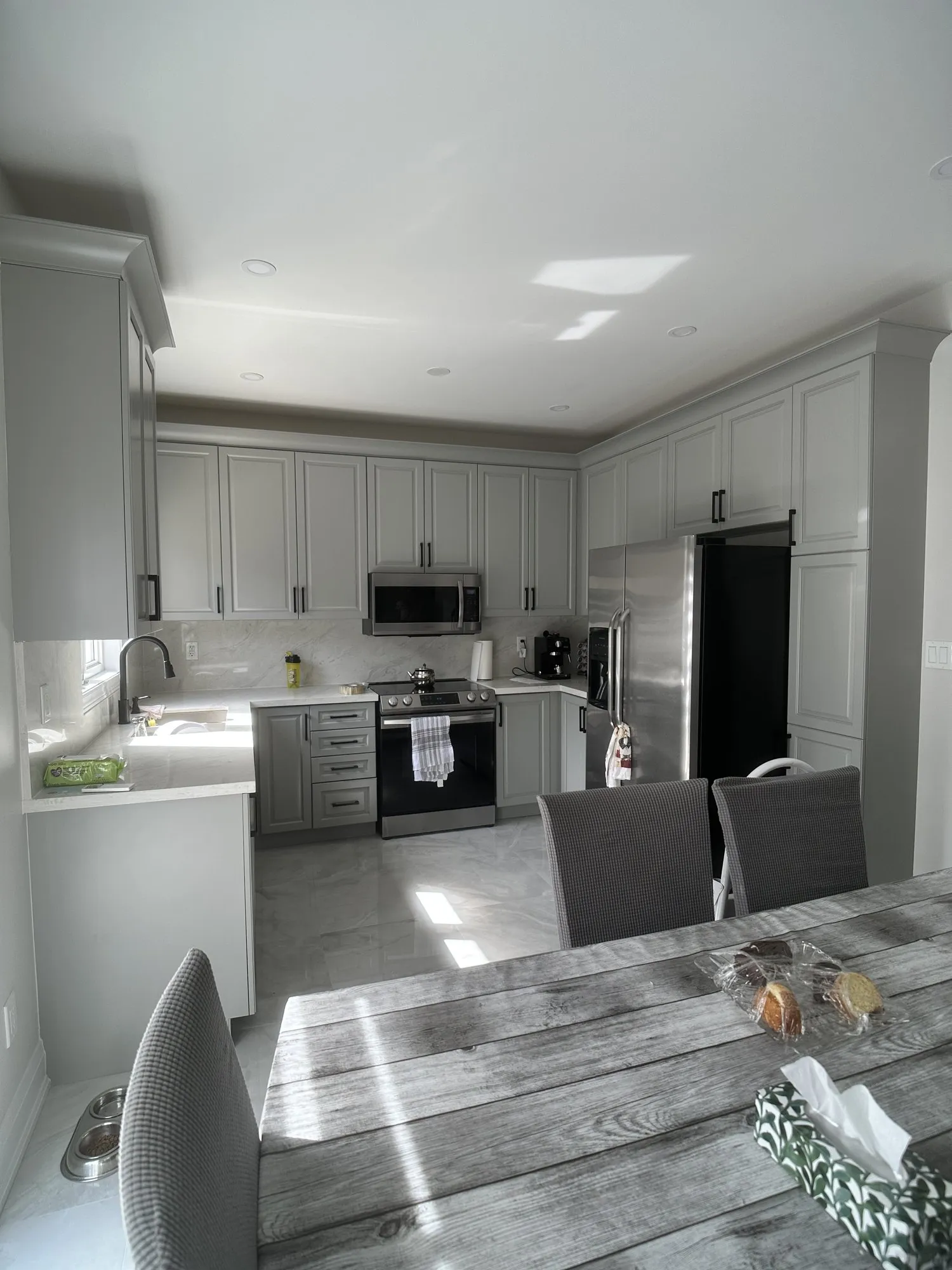
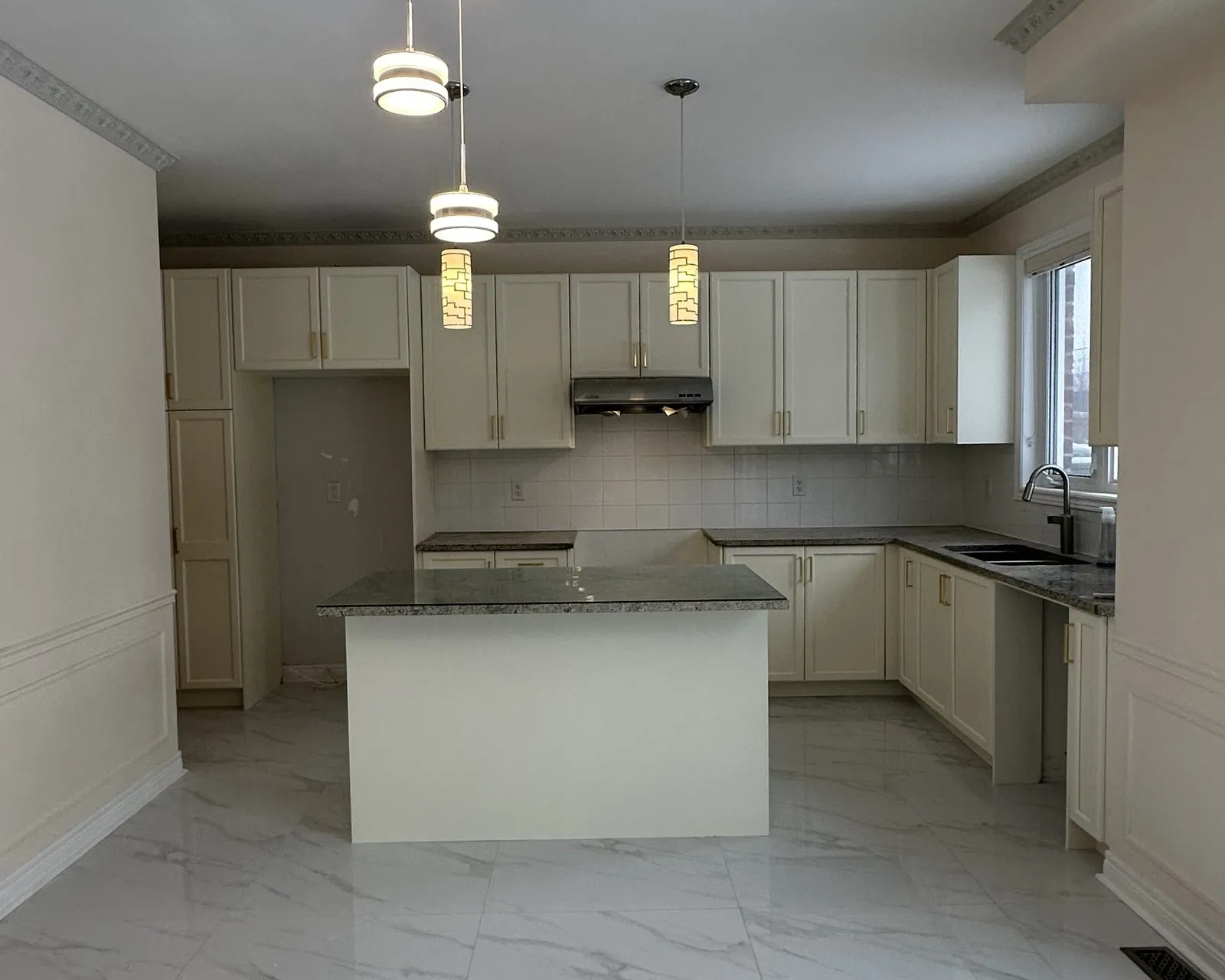
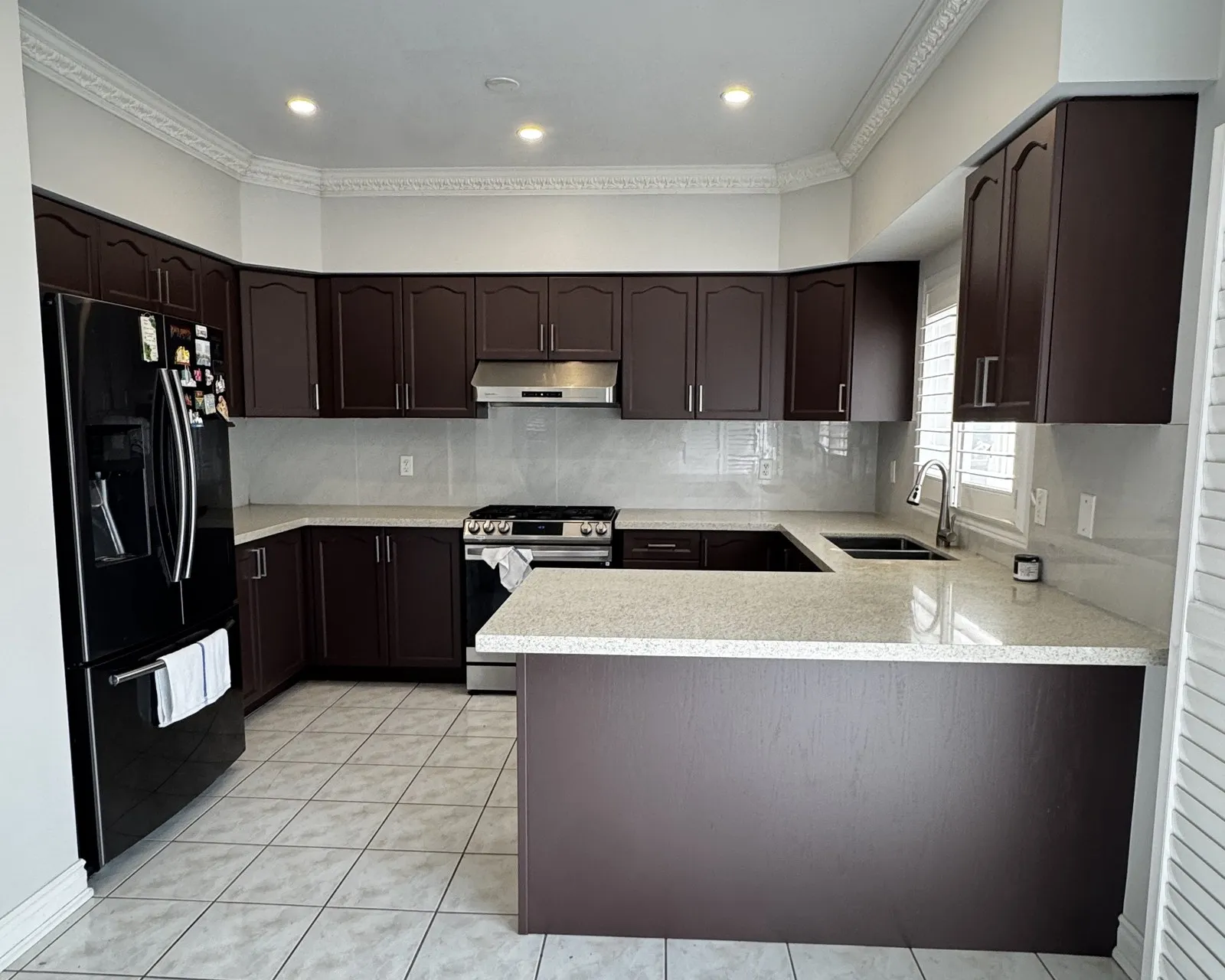
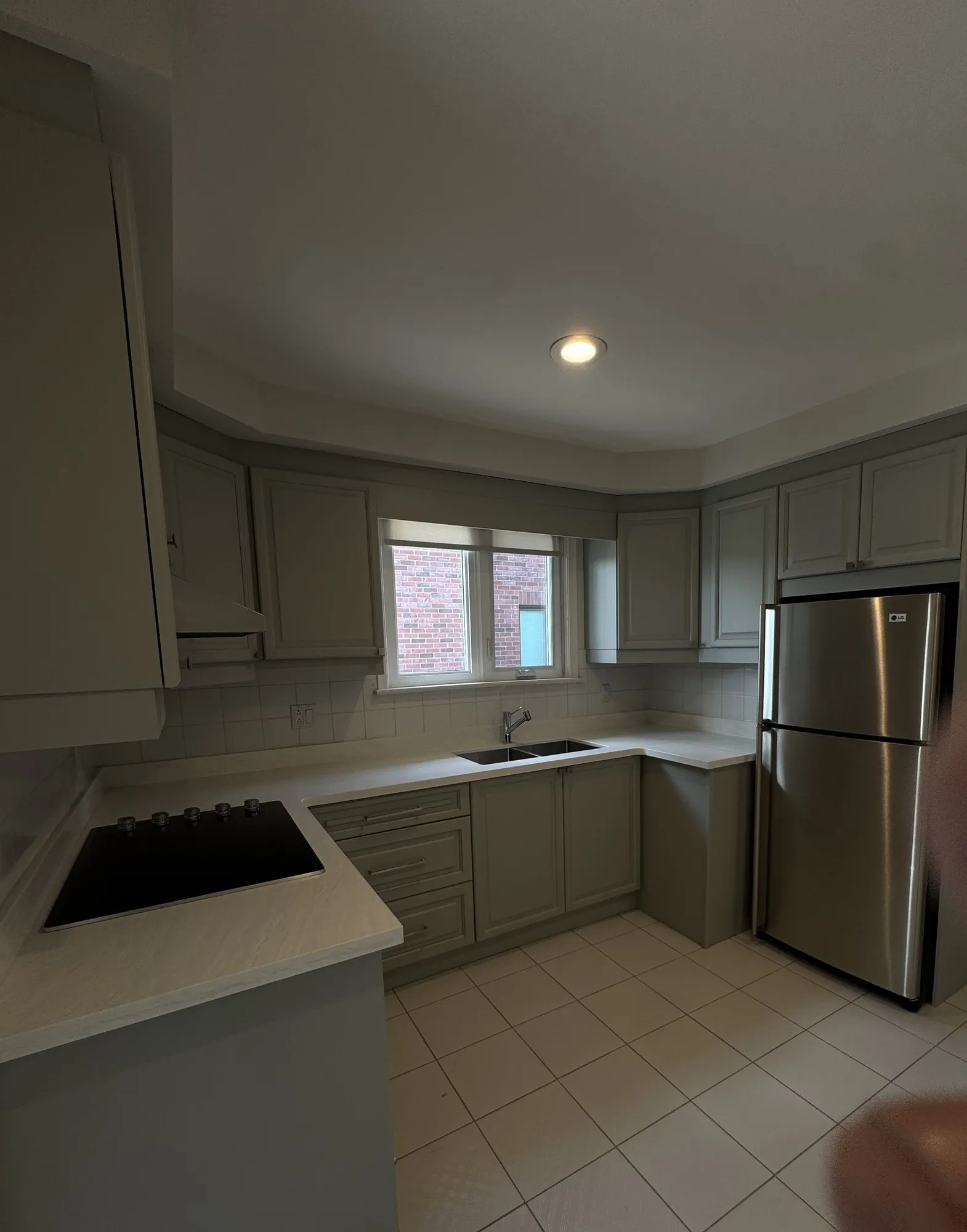
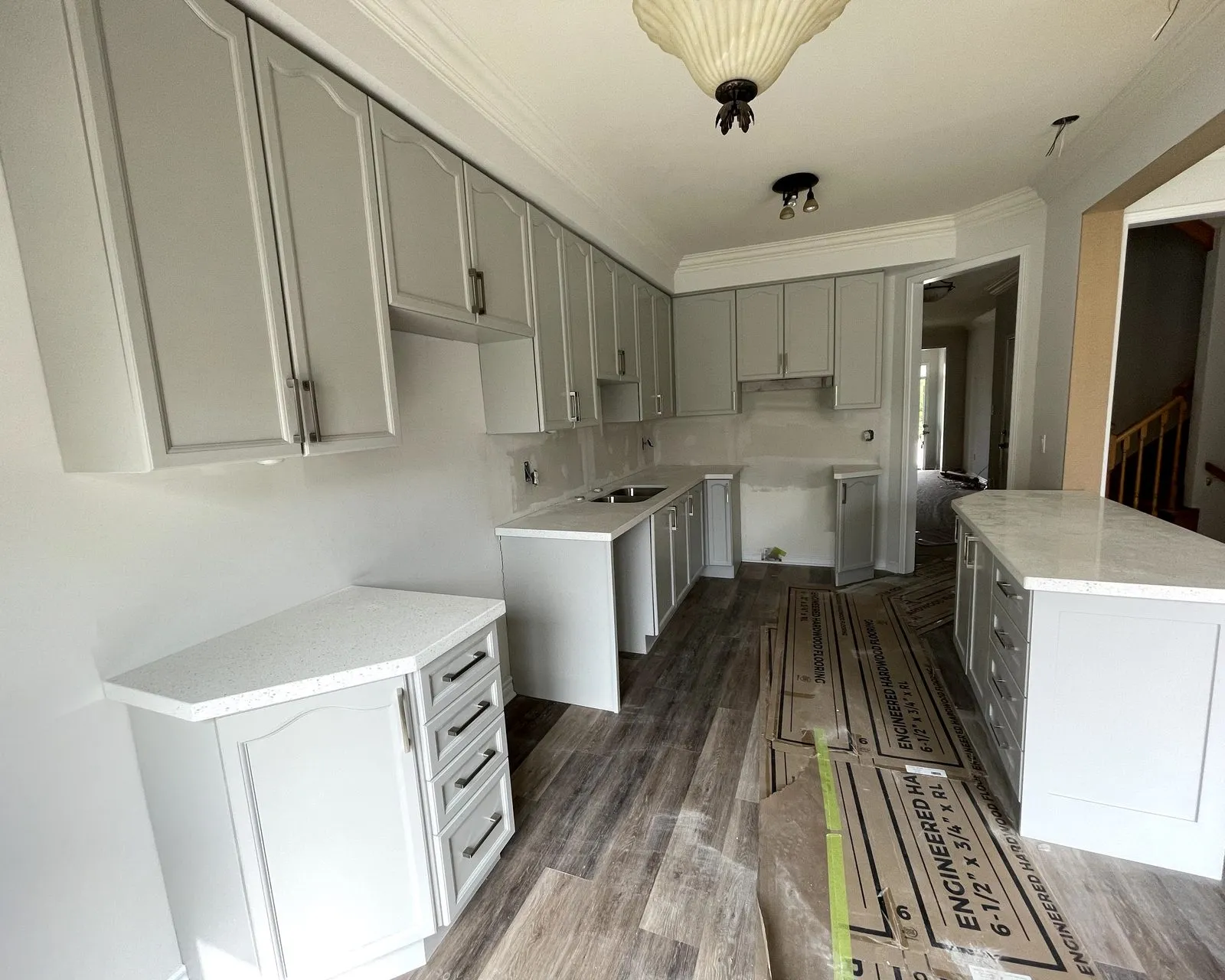
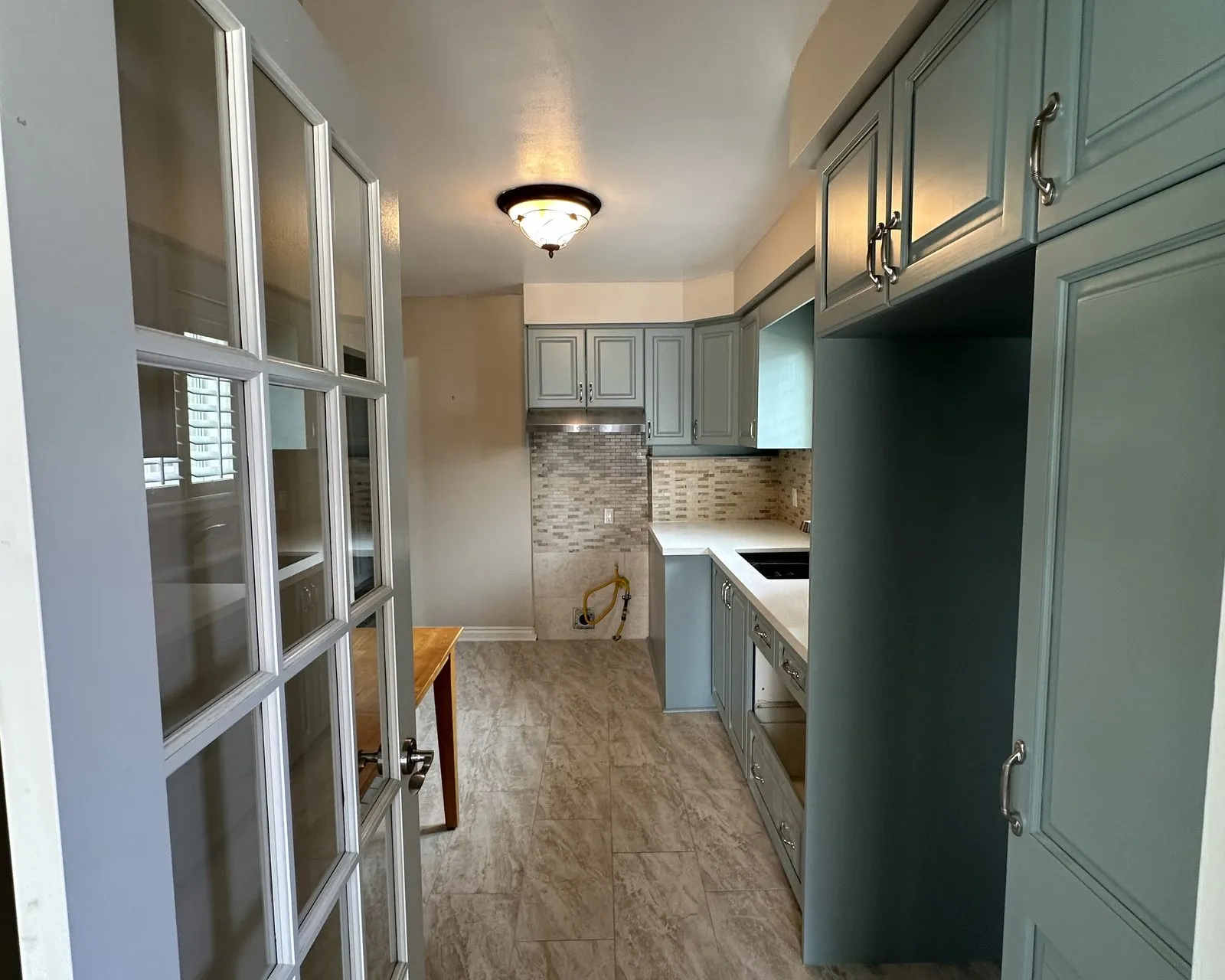
Sprayed kitchens, before and after
32 of 100+ kitchens across Vaughan and the GTA.
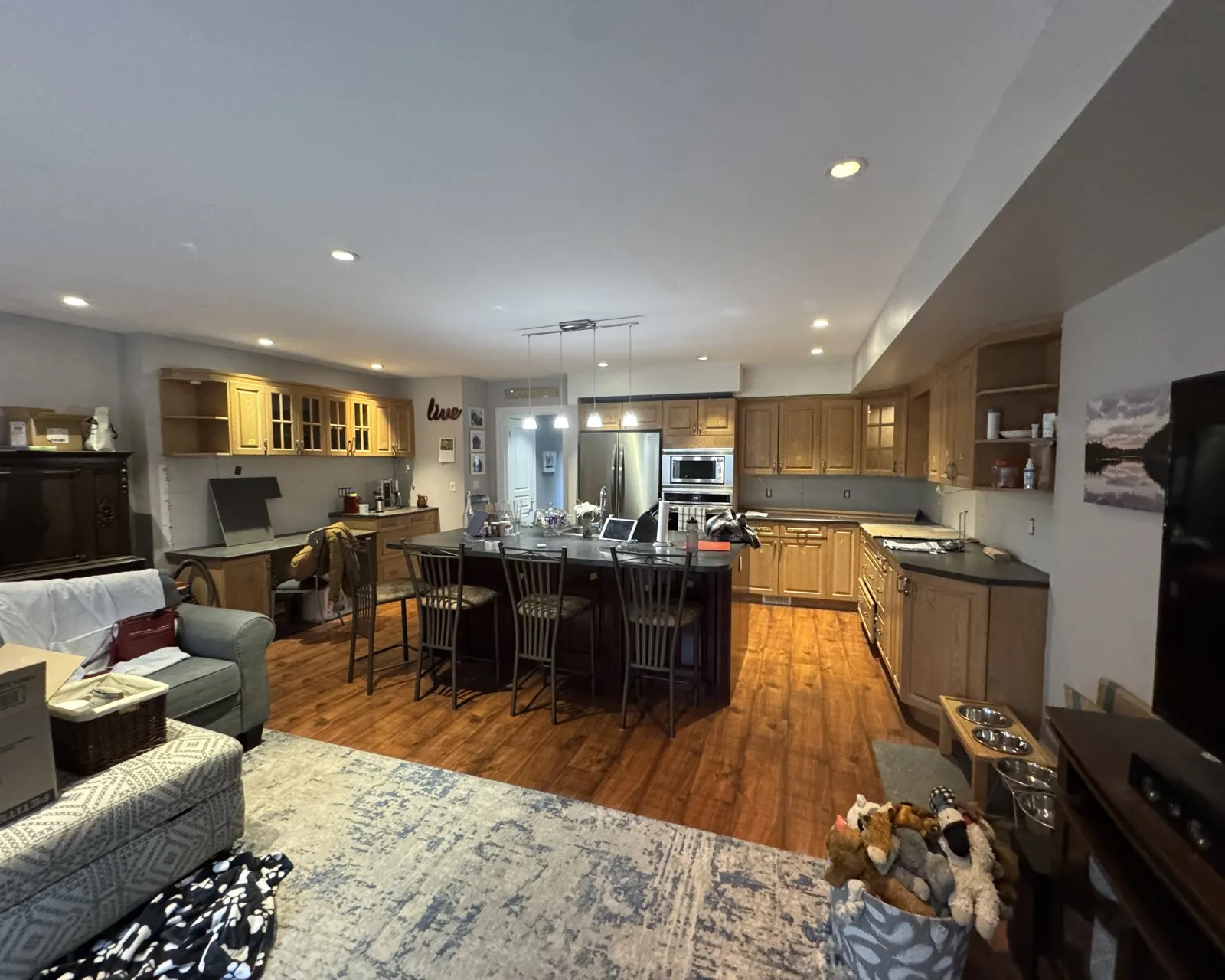 Before
 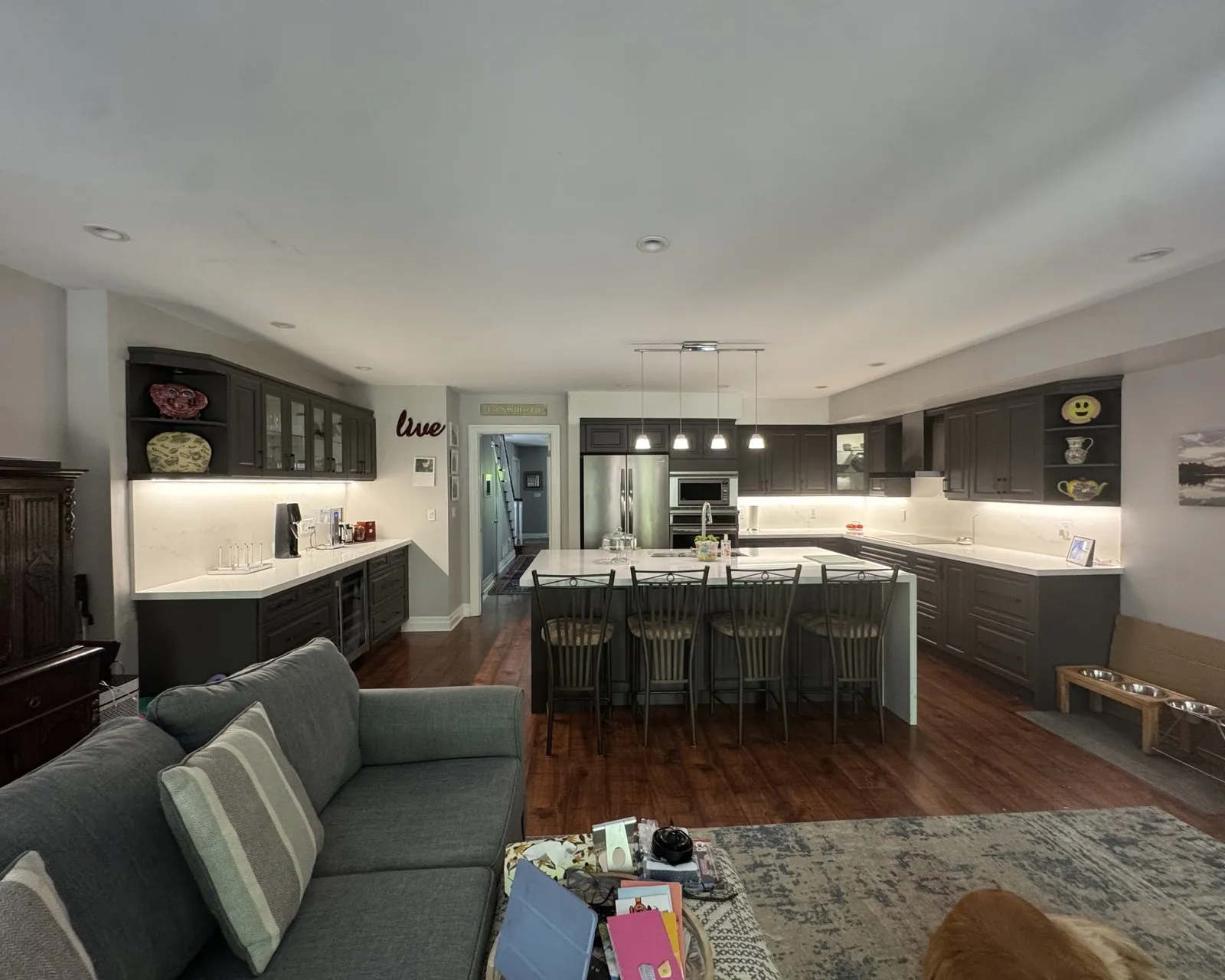 After
After 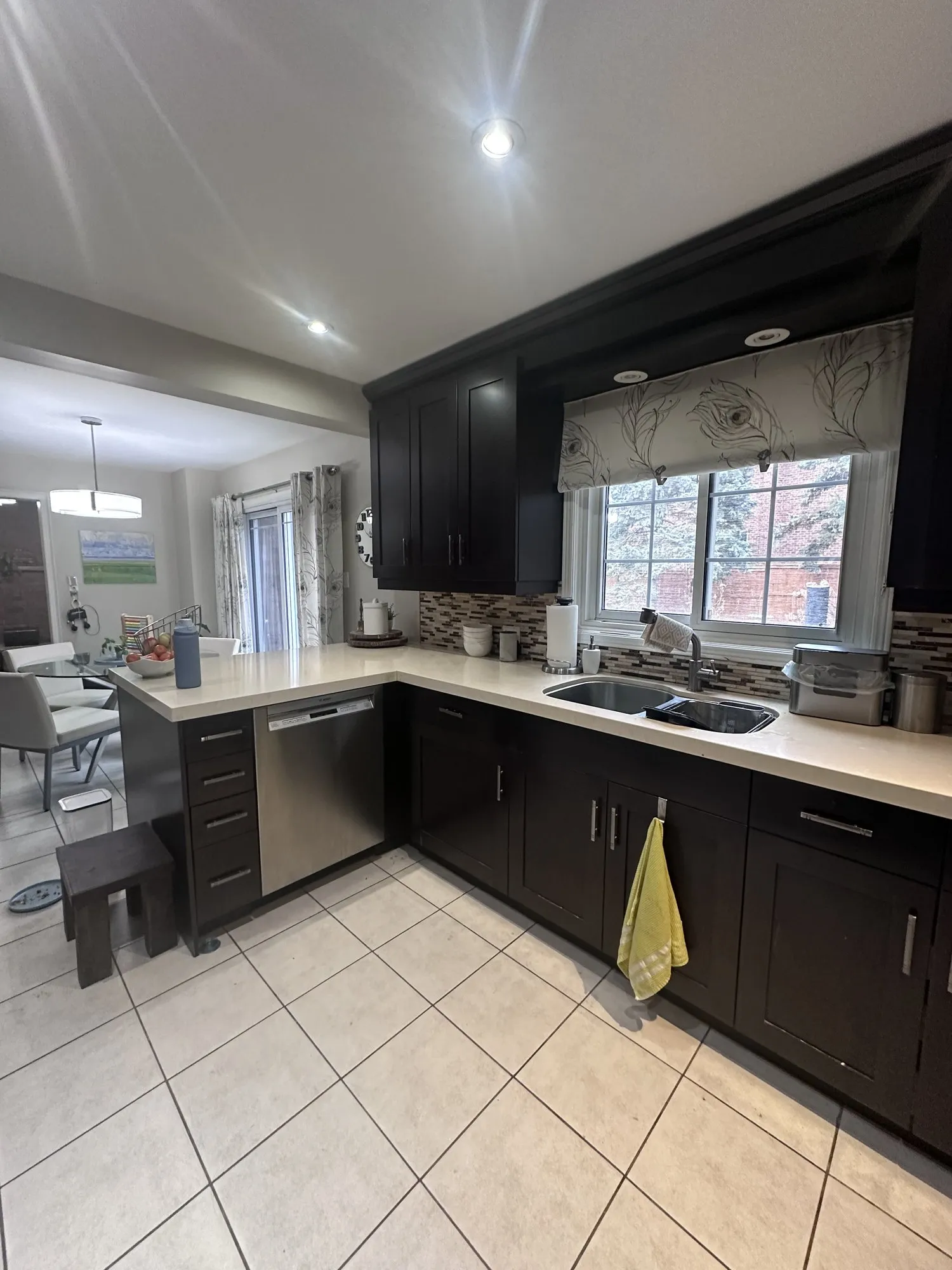 Before
 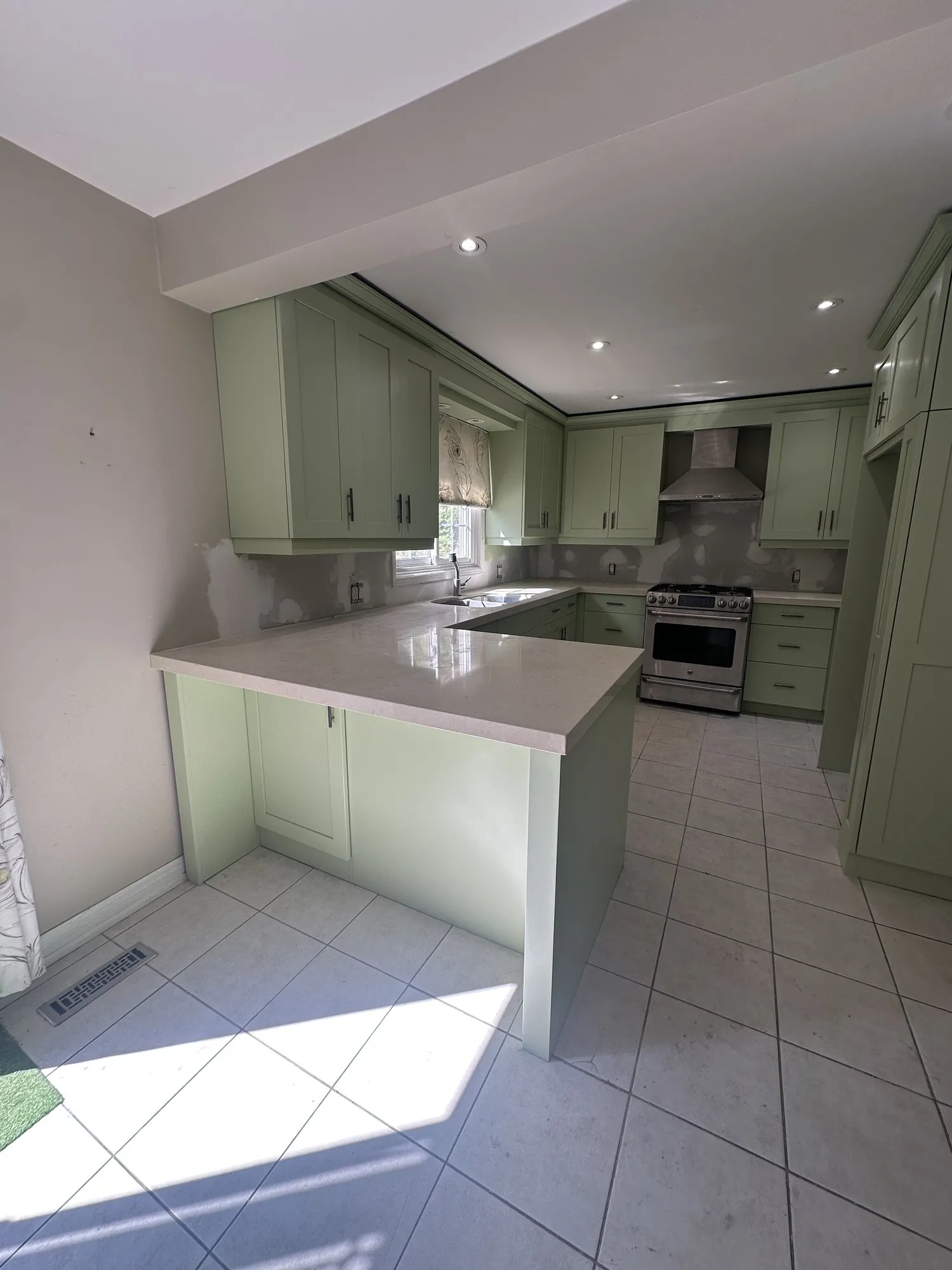 After
After 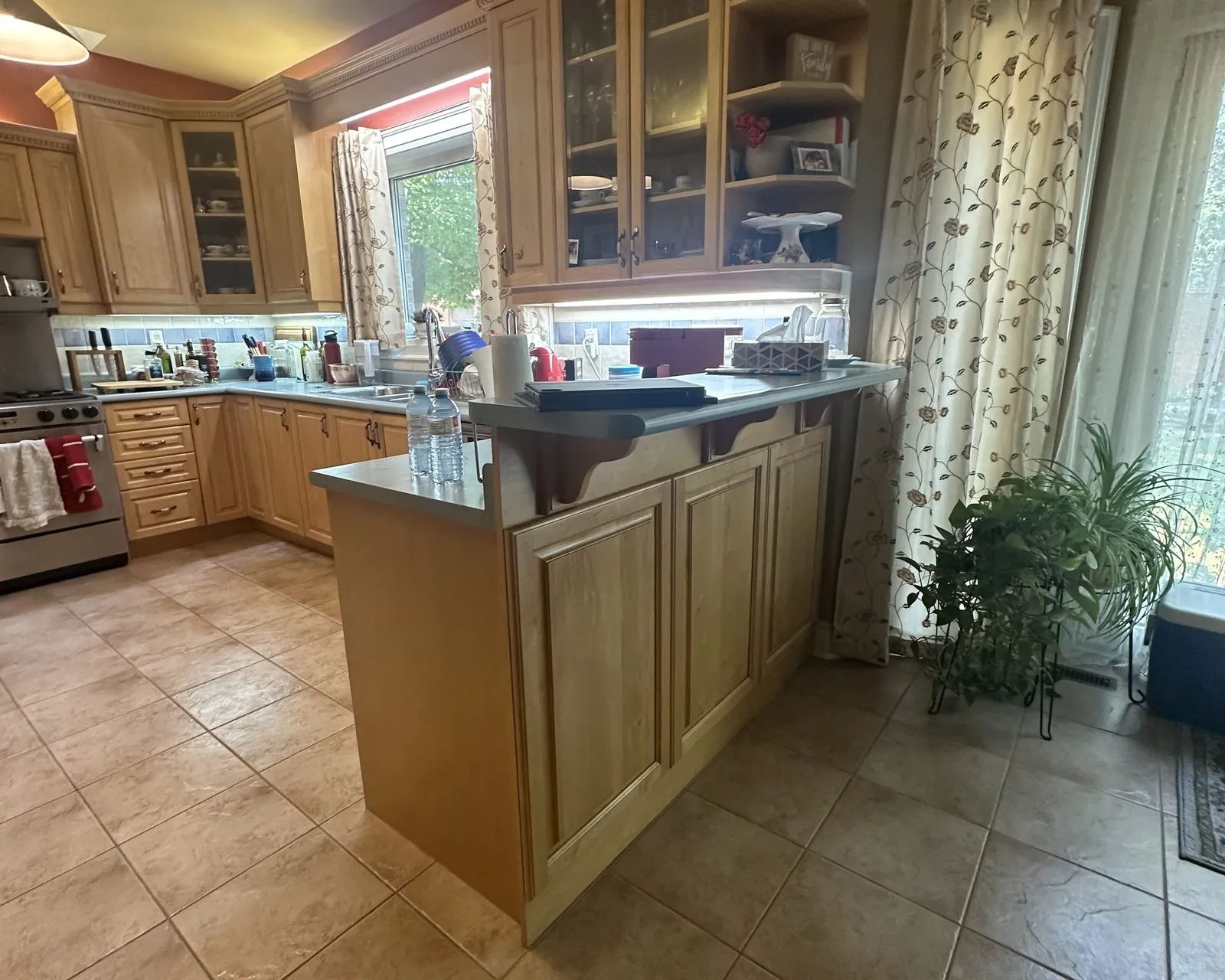 Before
  After
After 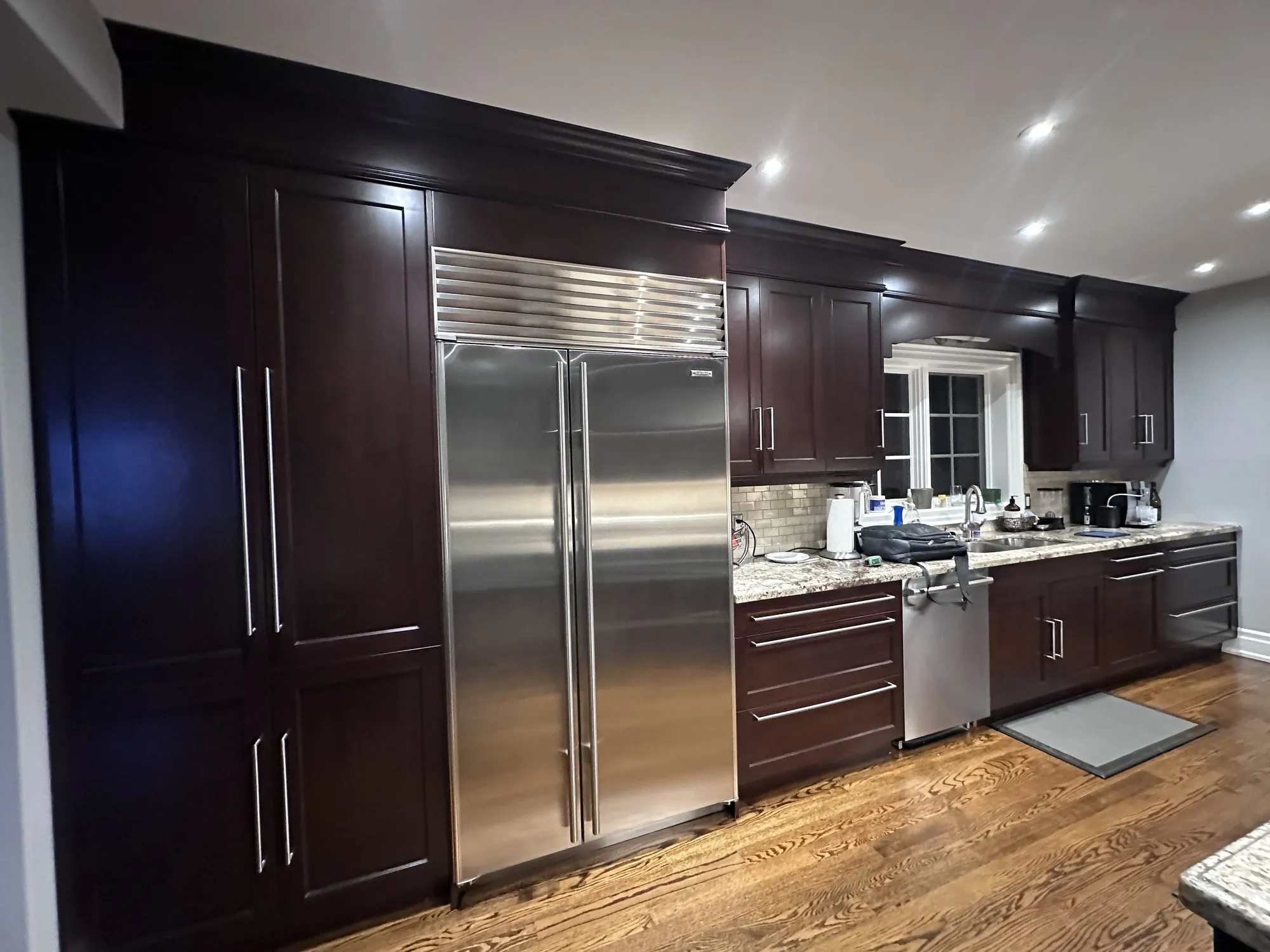 Before
  After
After 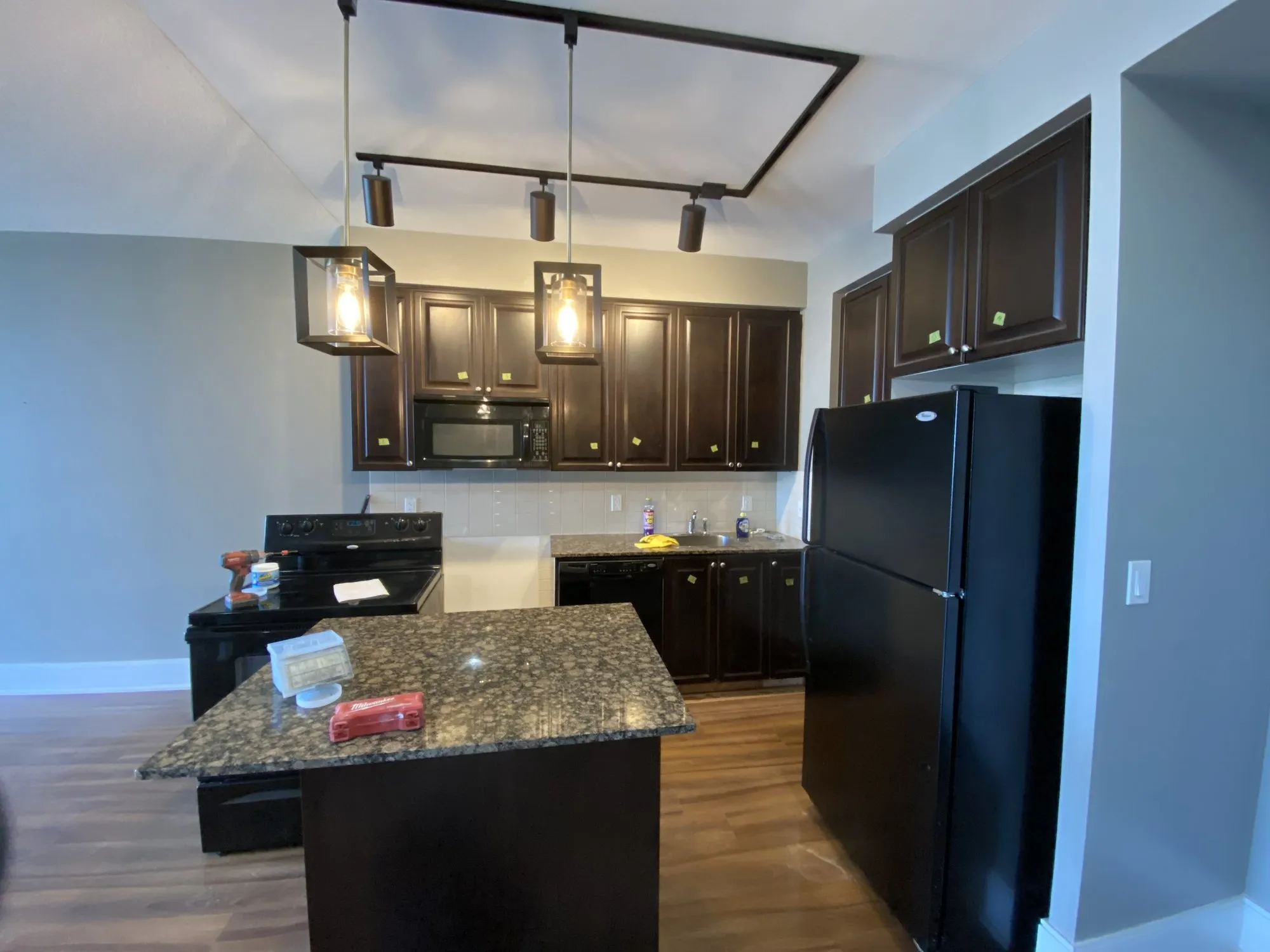 Before
 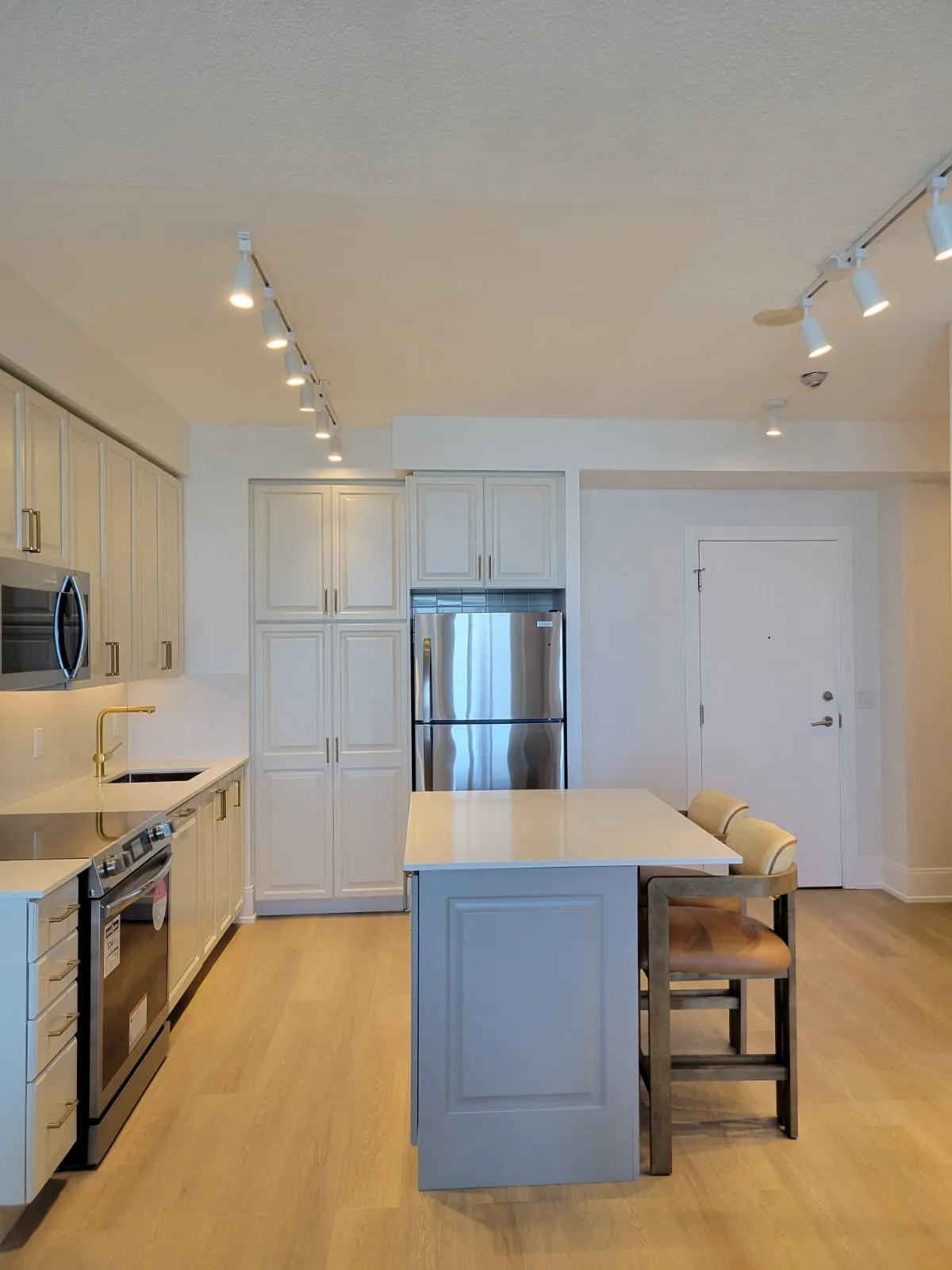 After
After 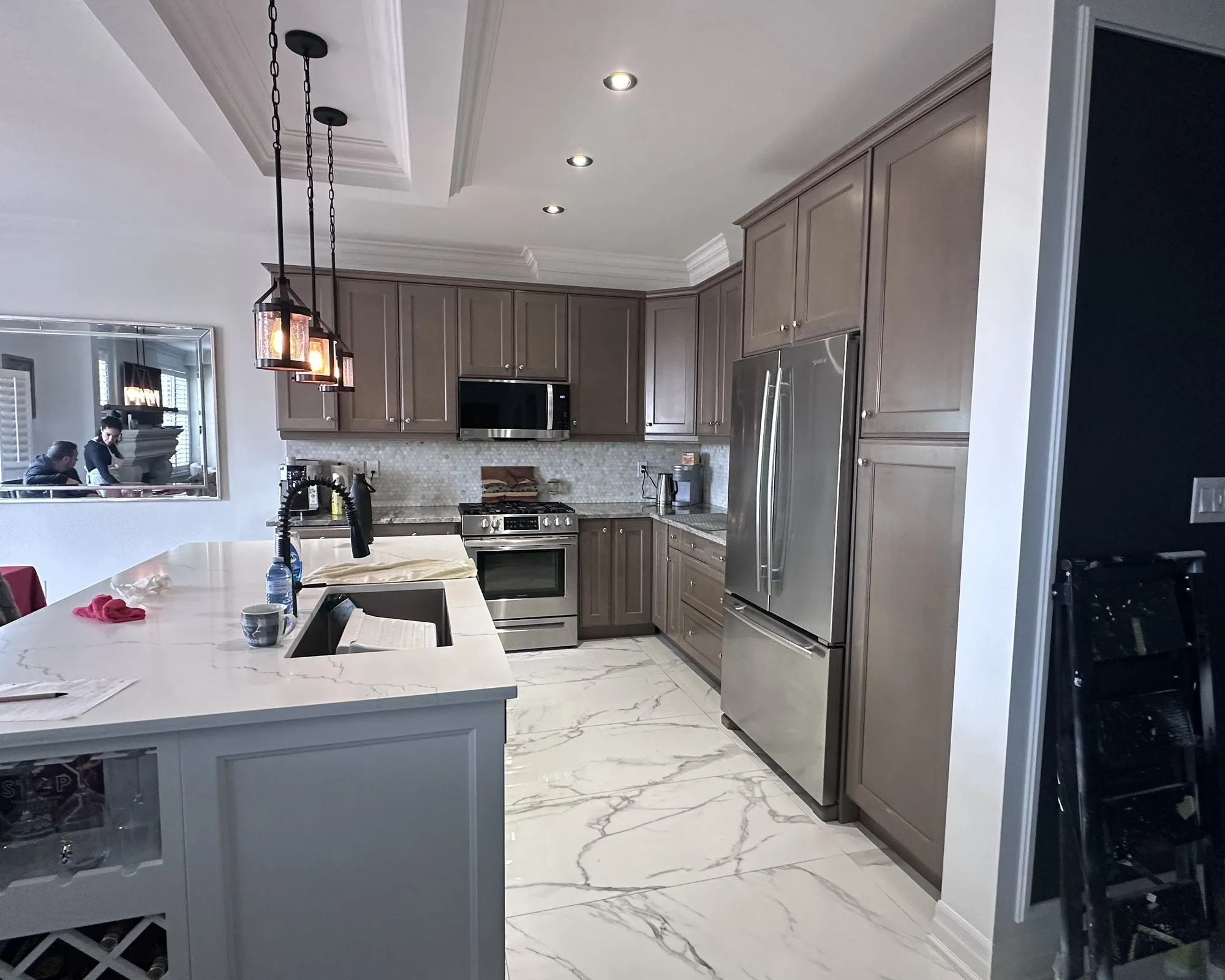 Before
 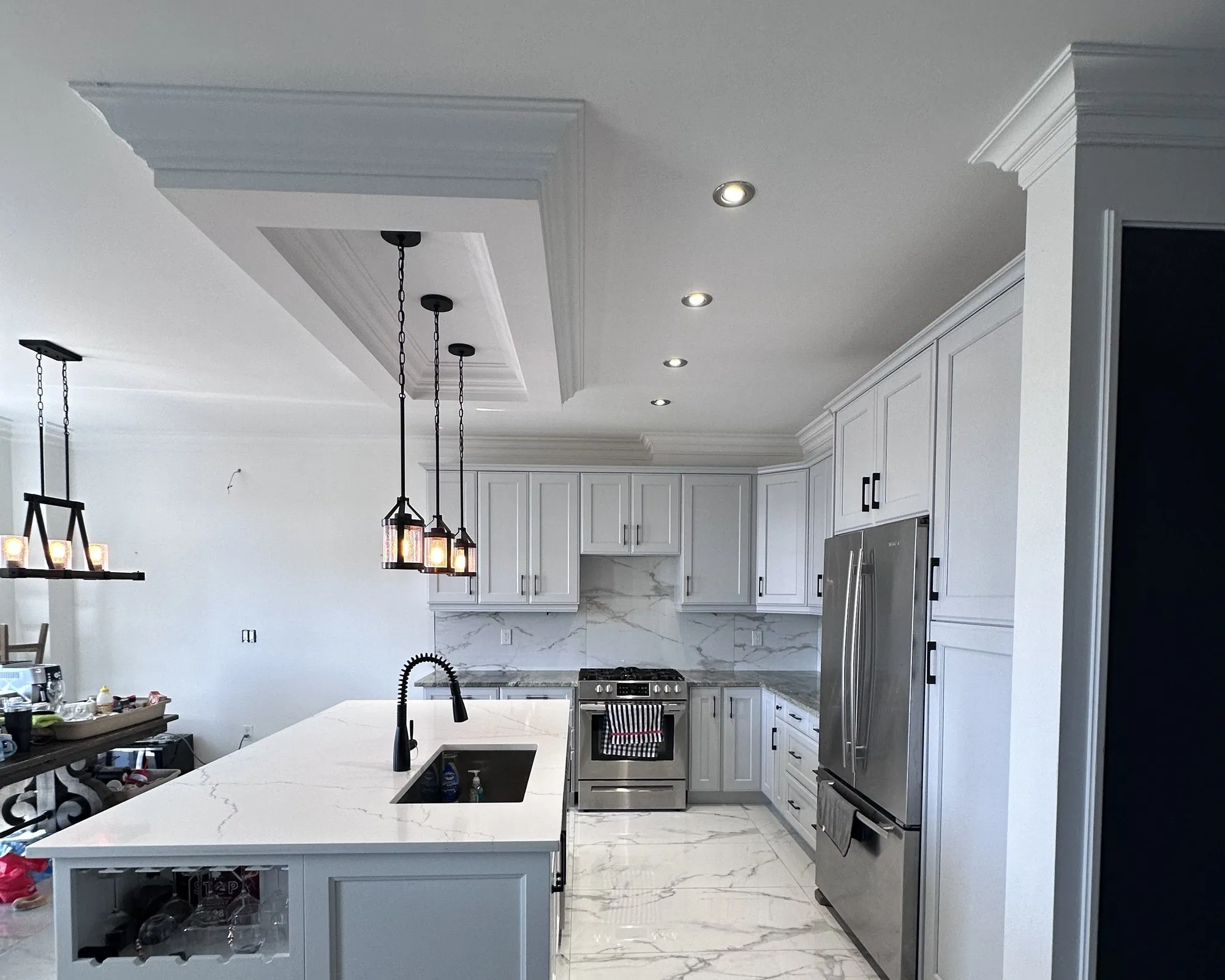 After
After 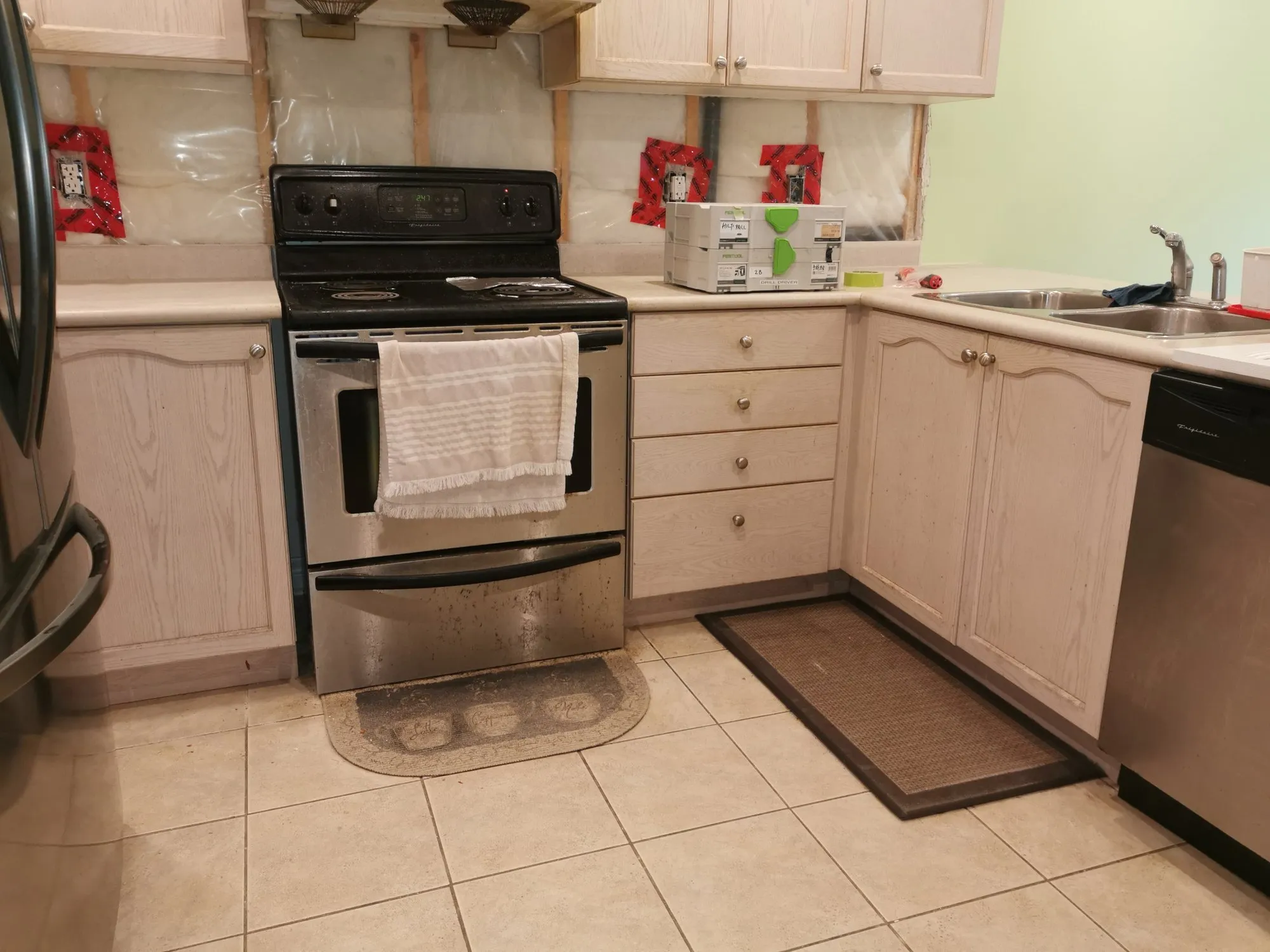 Before
  After
After 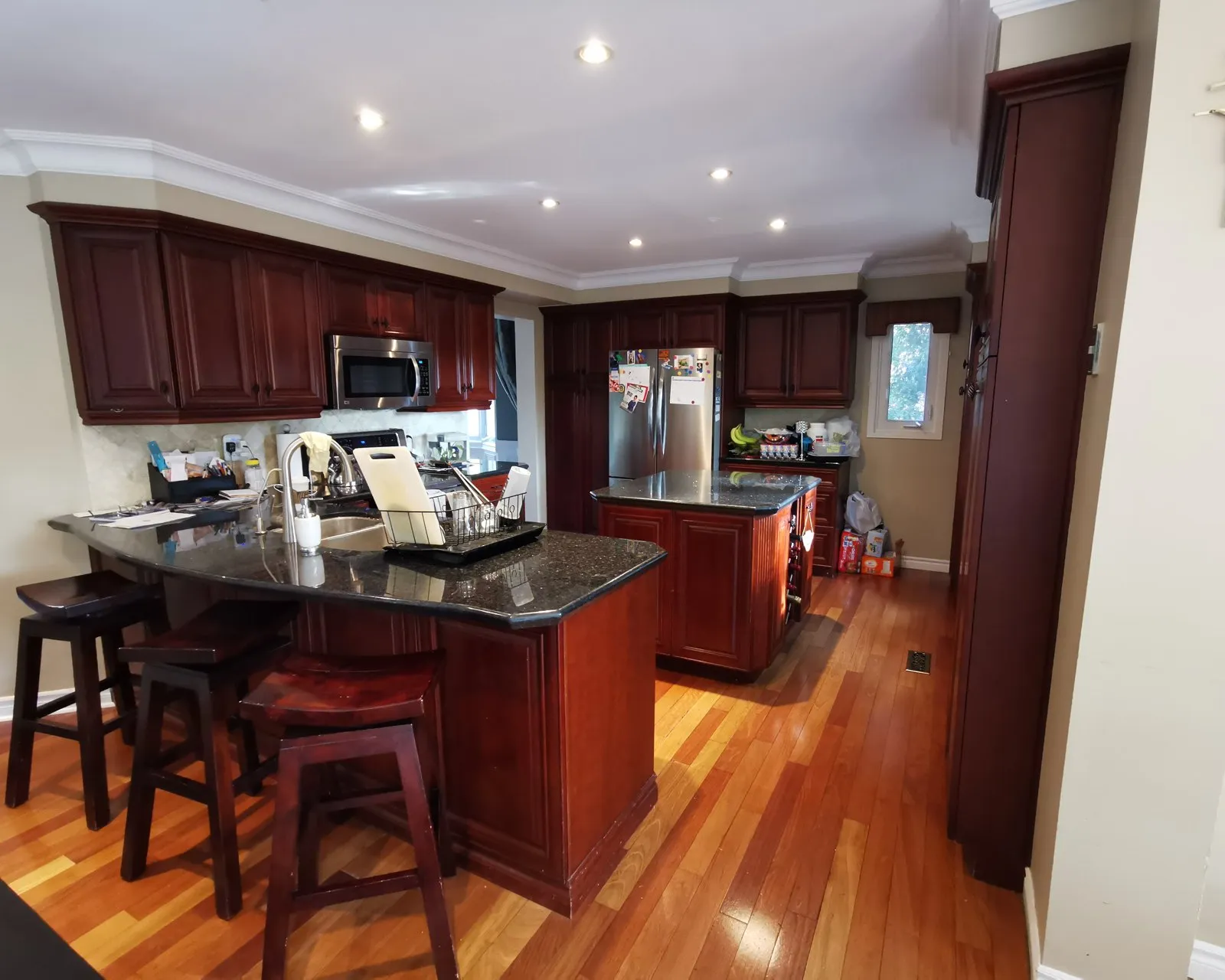 Before
  After
After 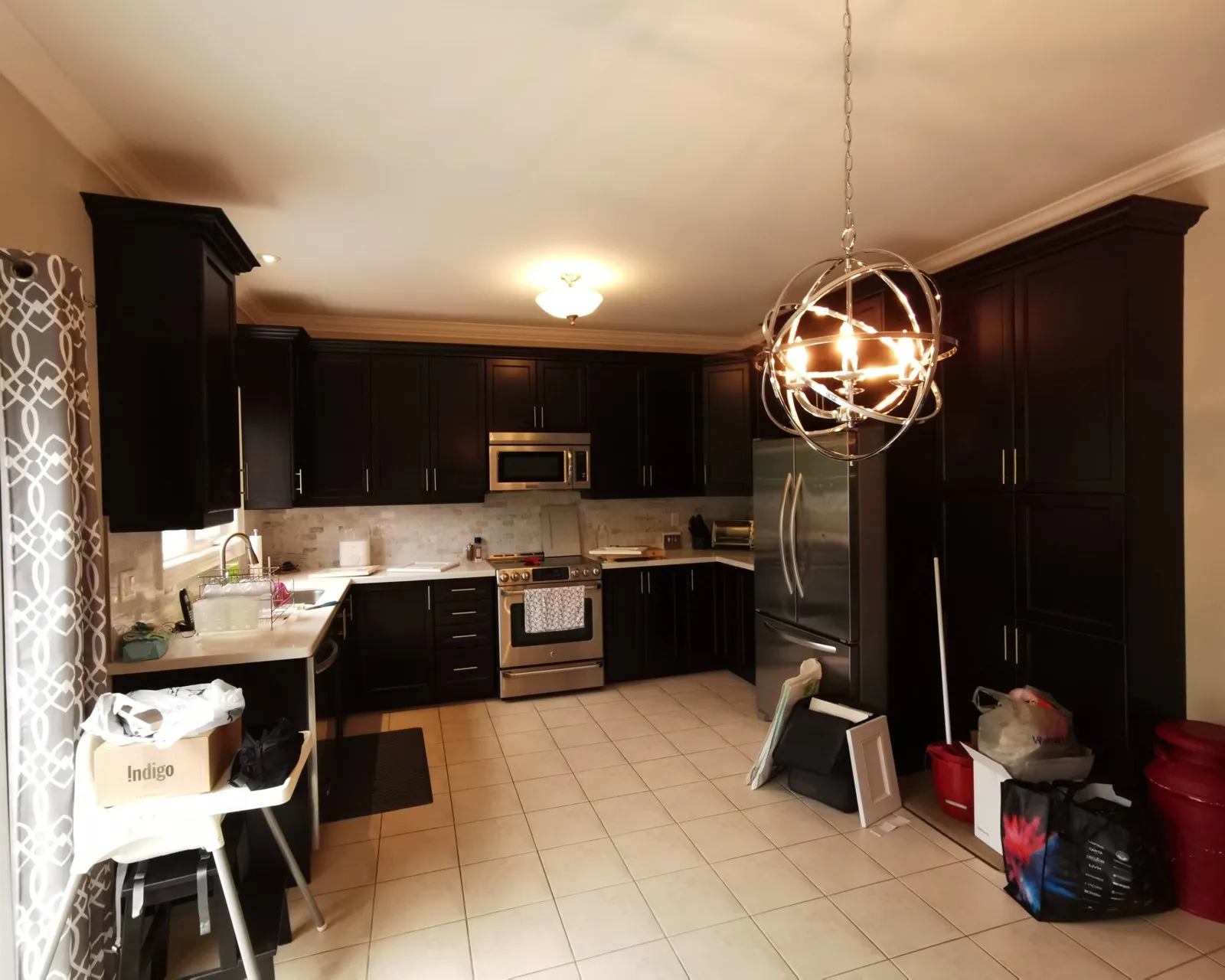 Before
 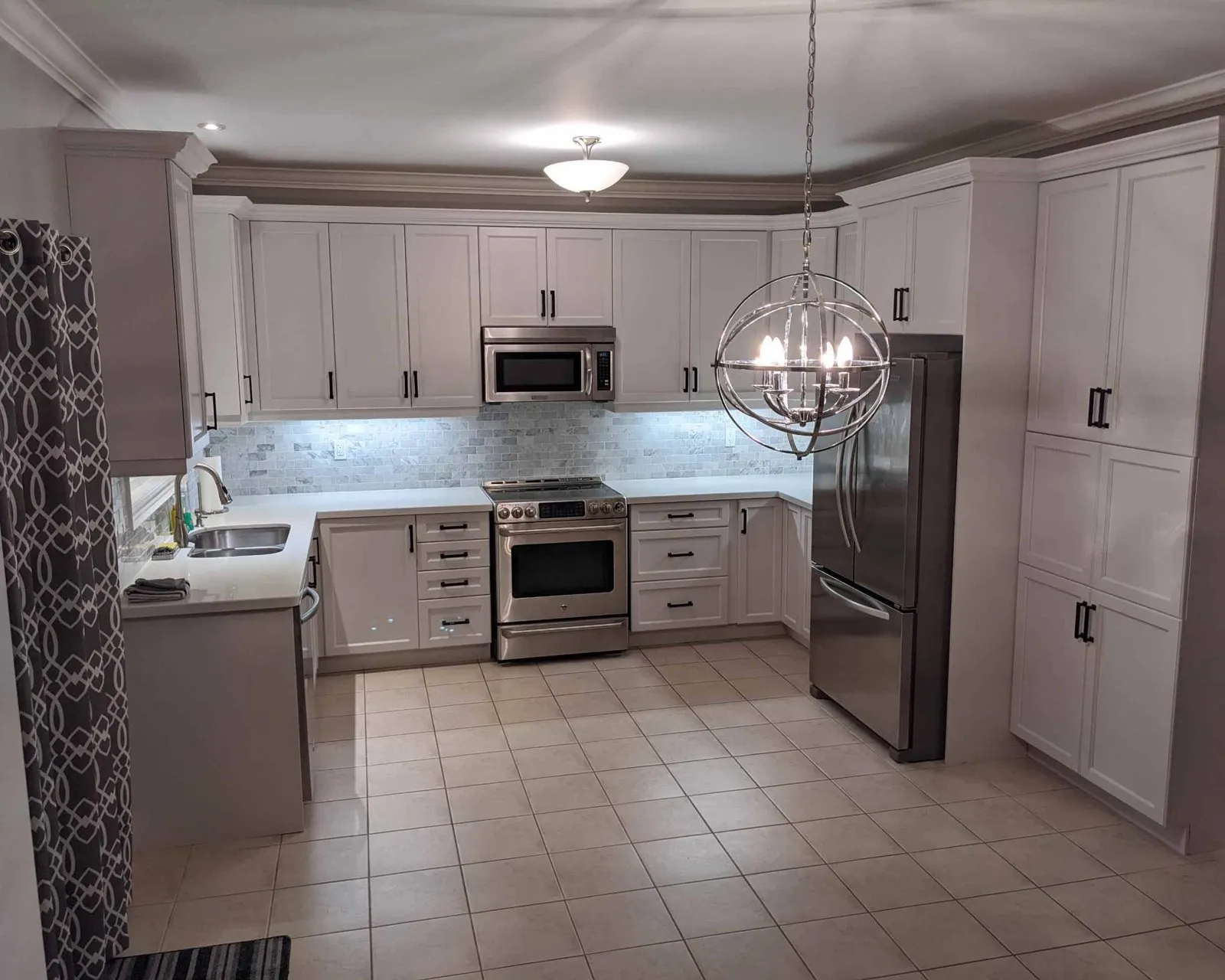 After
After 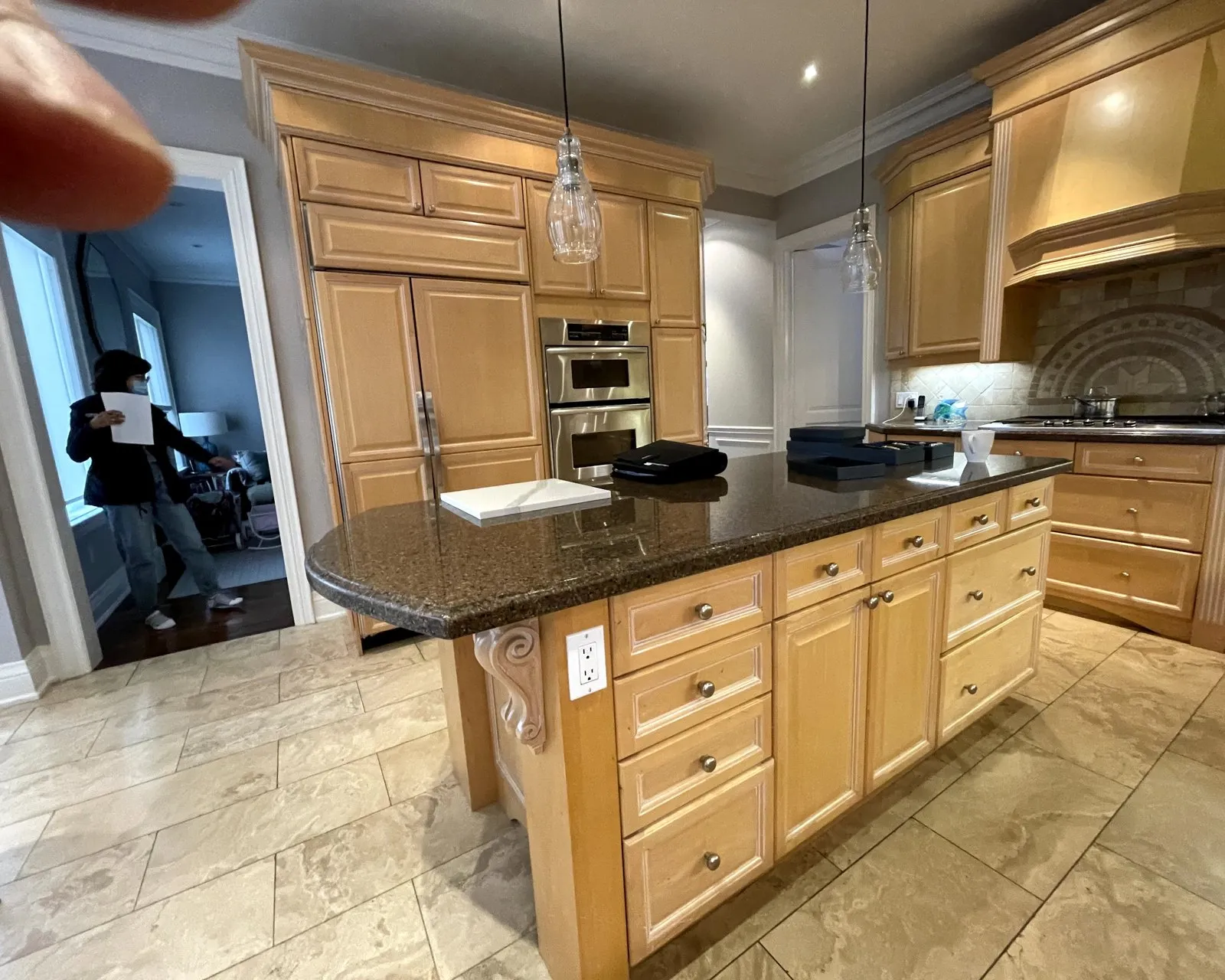 Before
 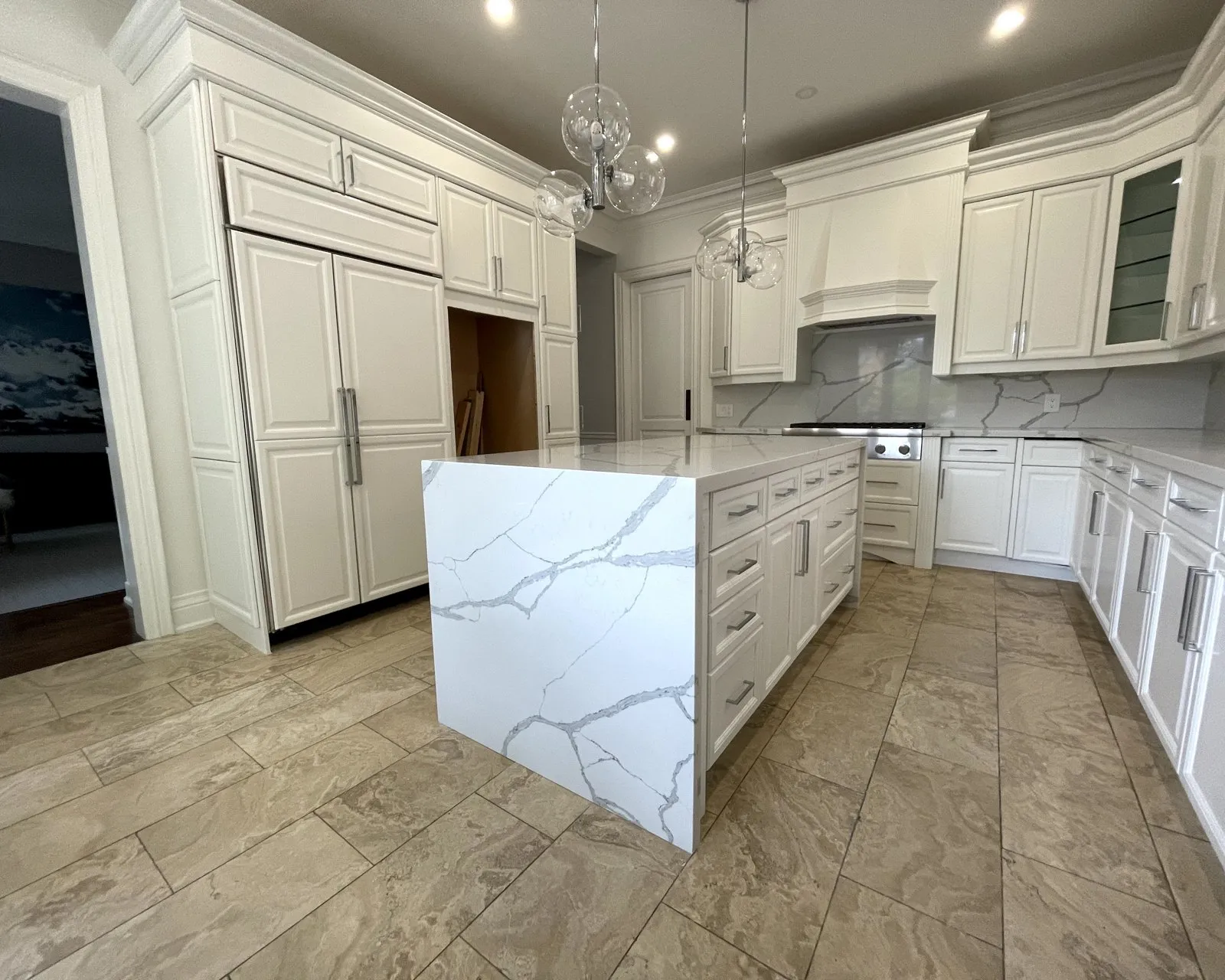 After
After 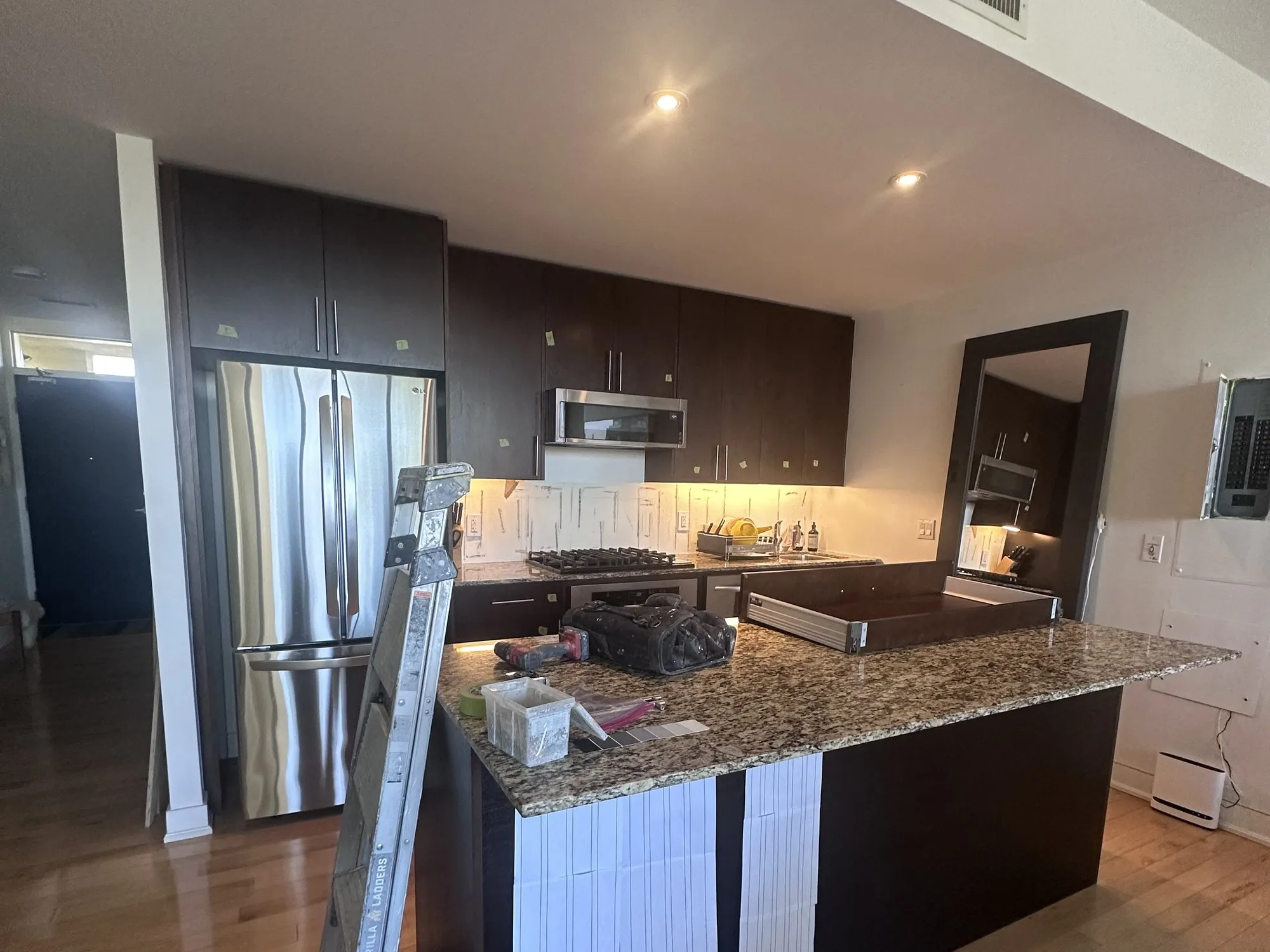 Before
 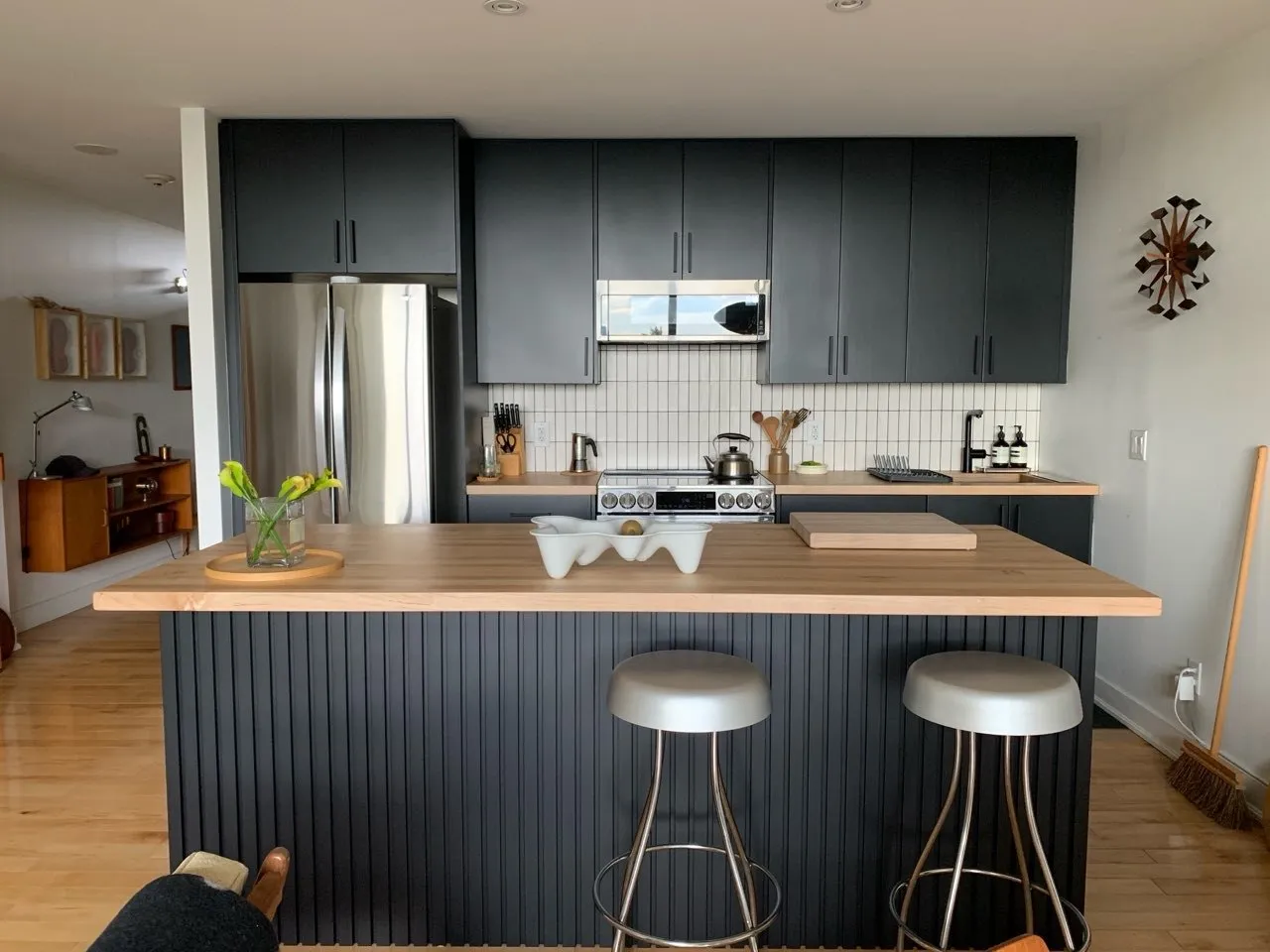 After
After 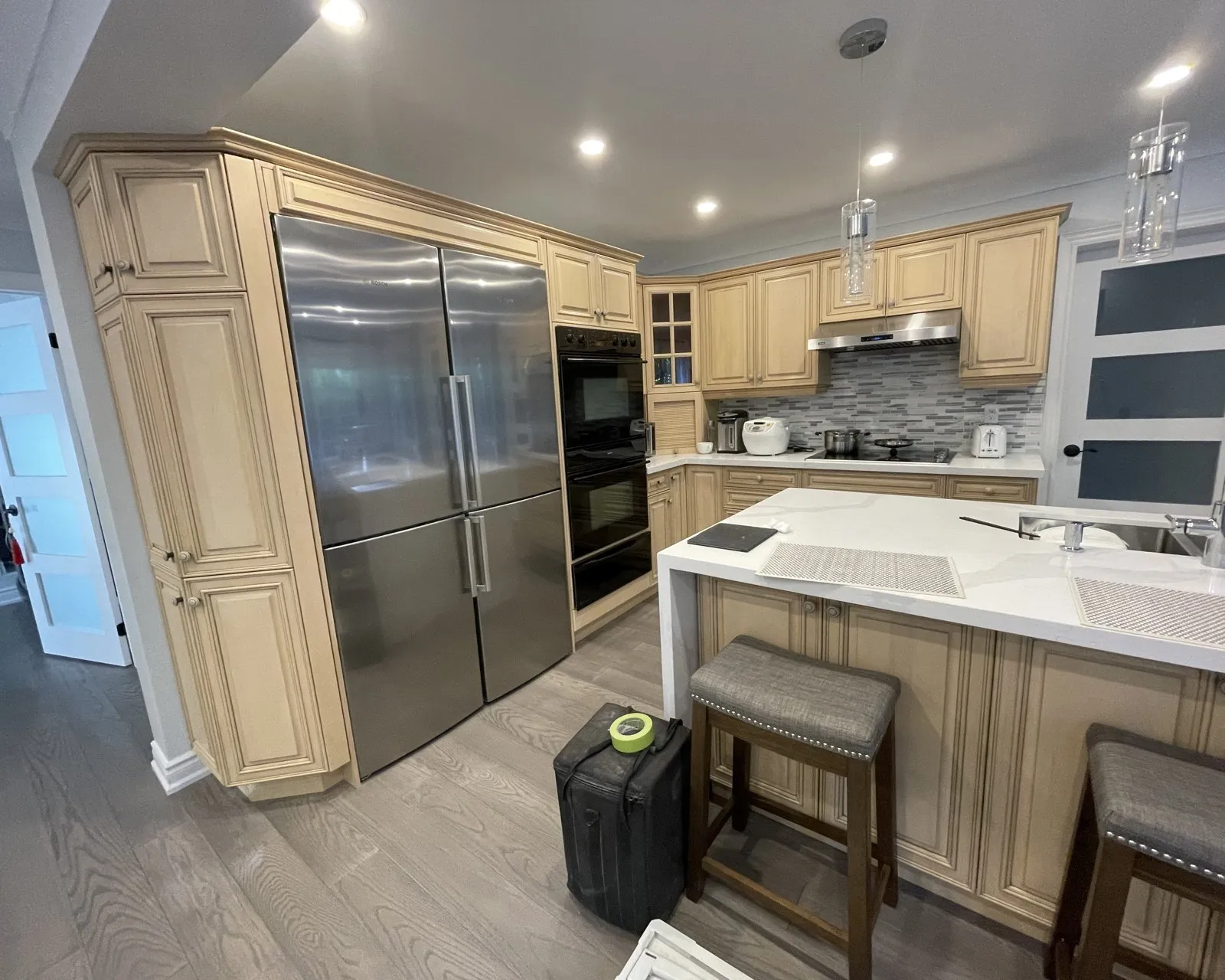 Before
 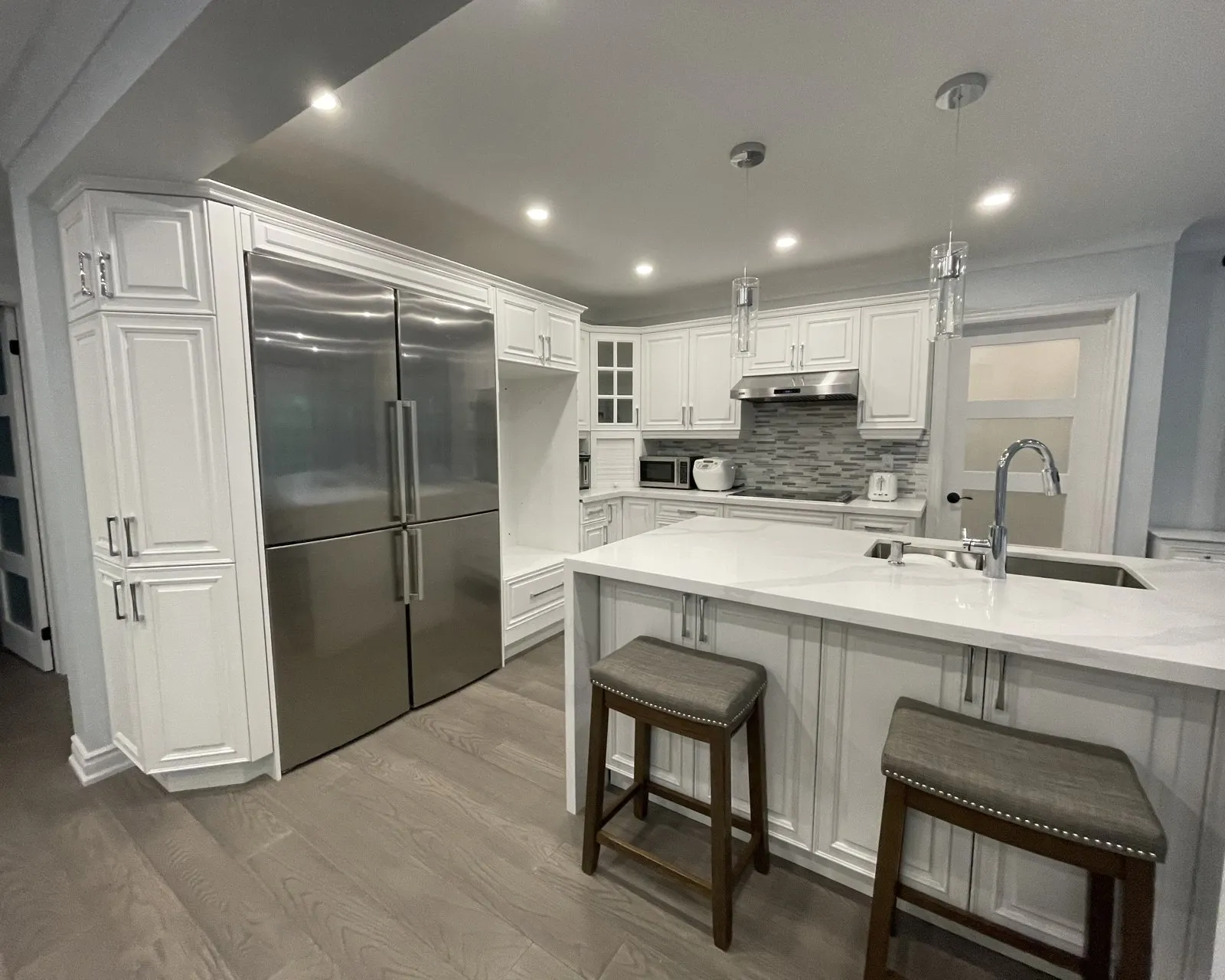 After
After 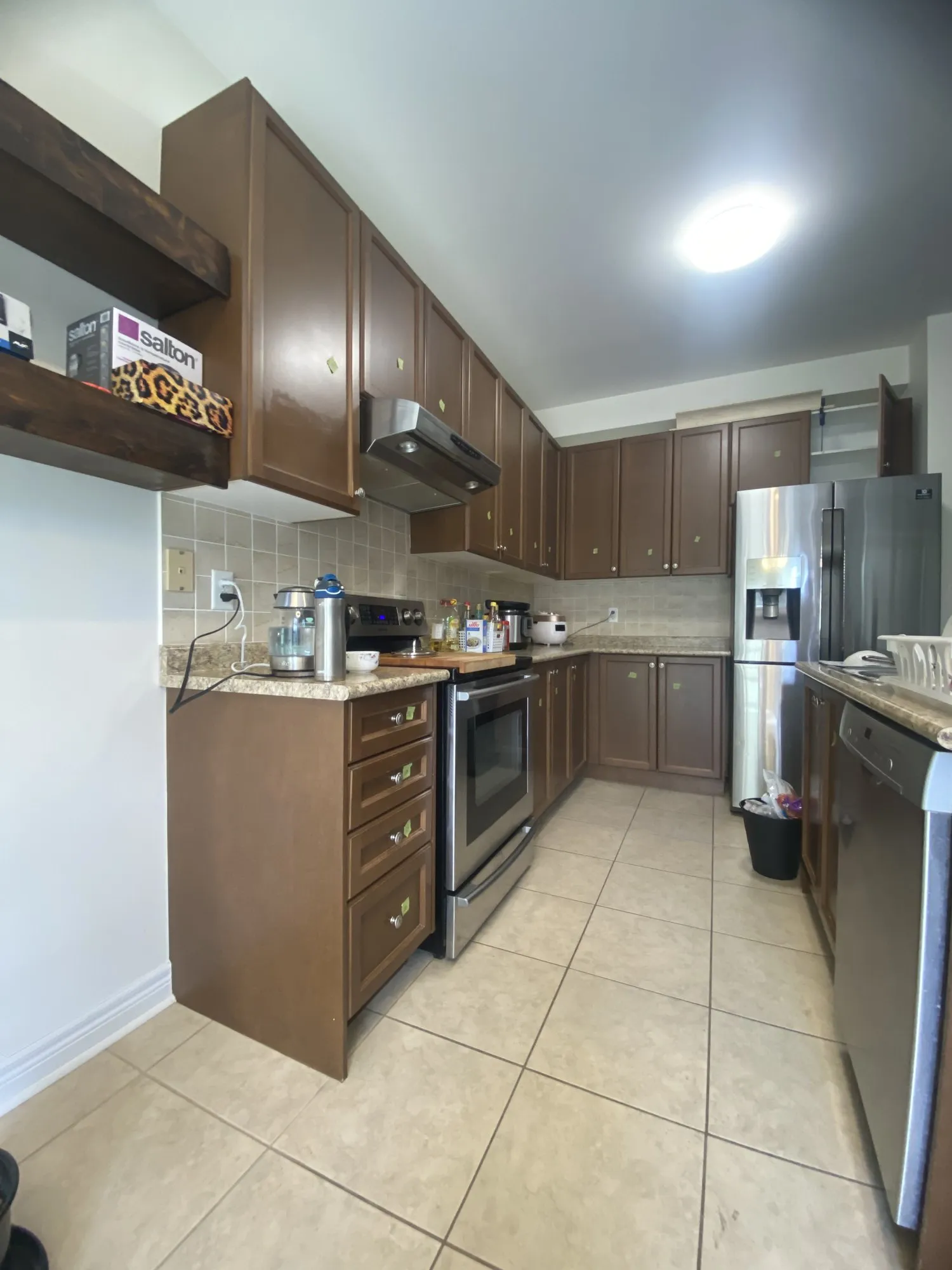 Before
 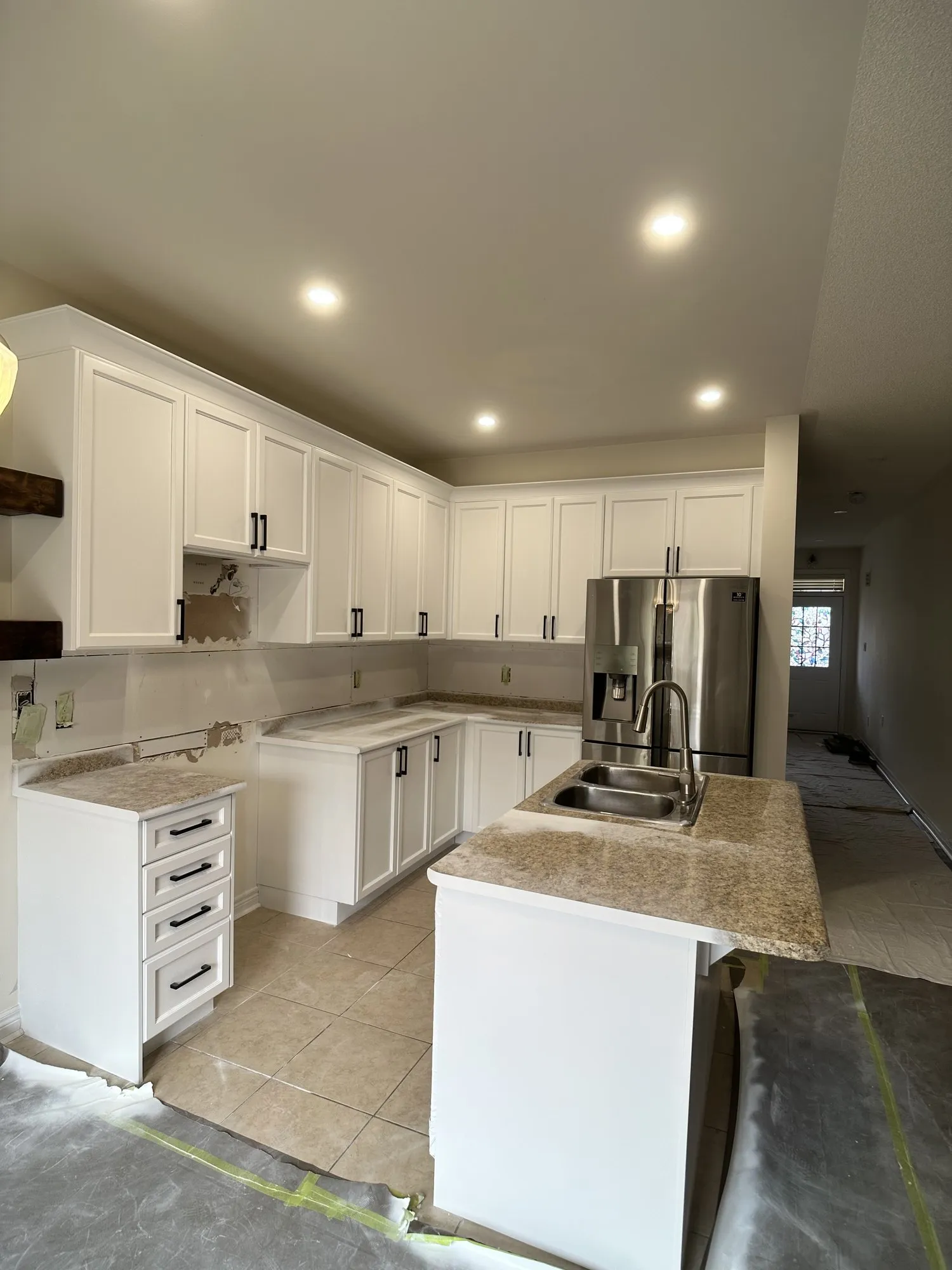 After
After 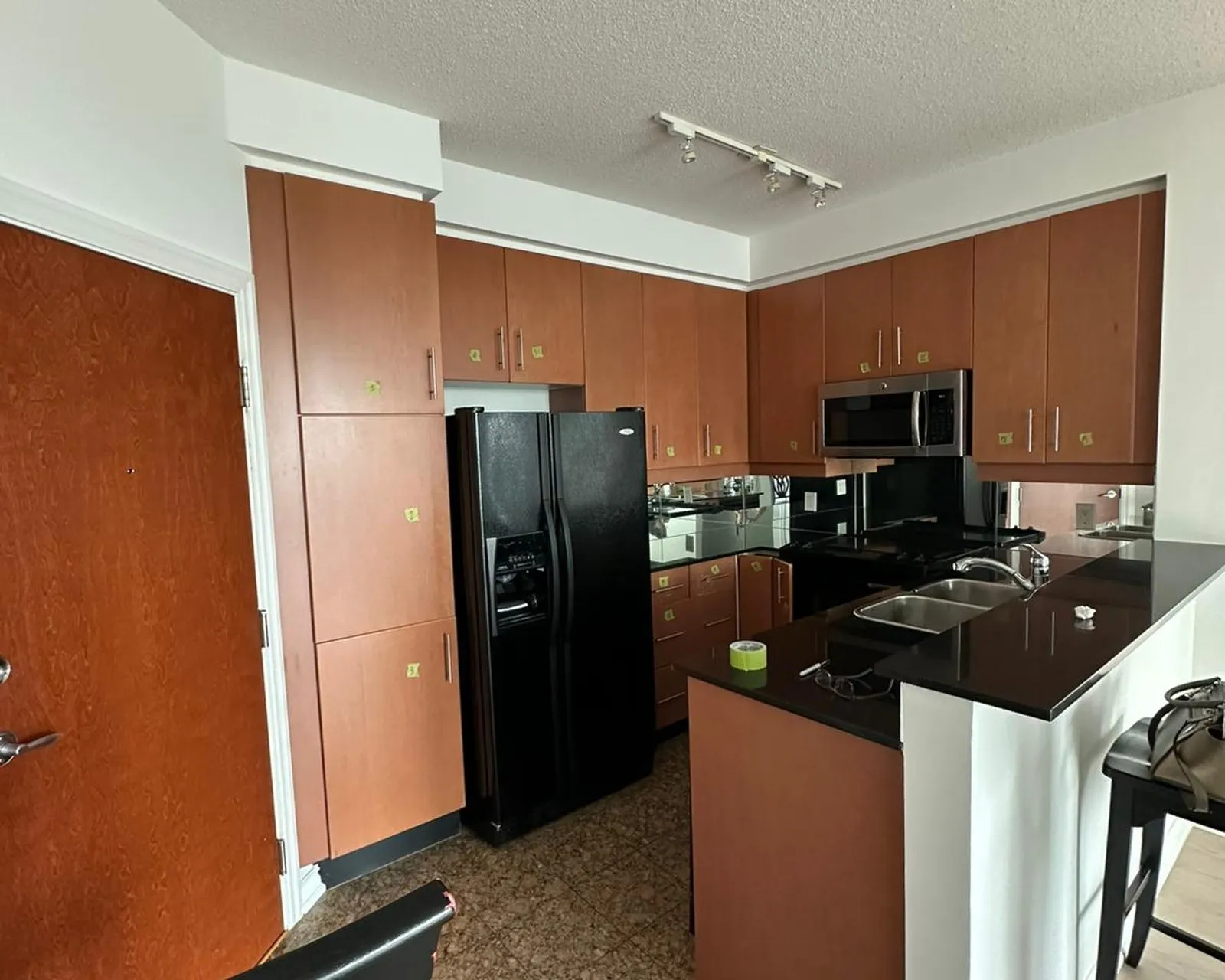 Before
 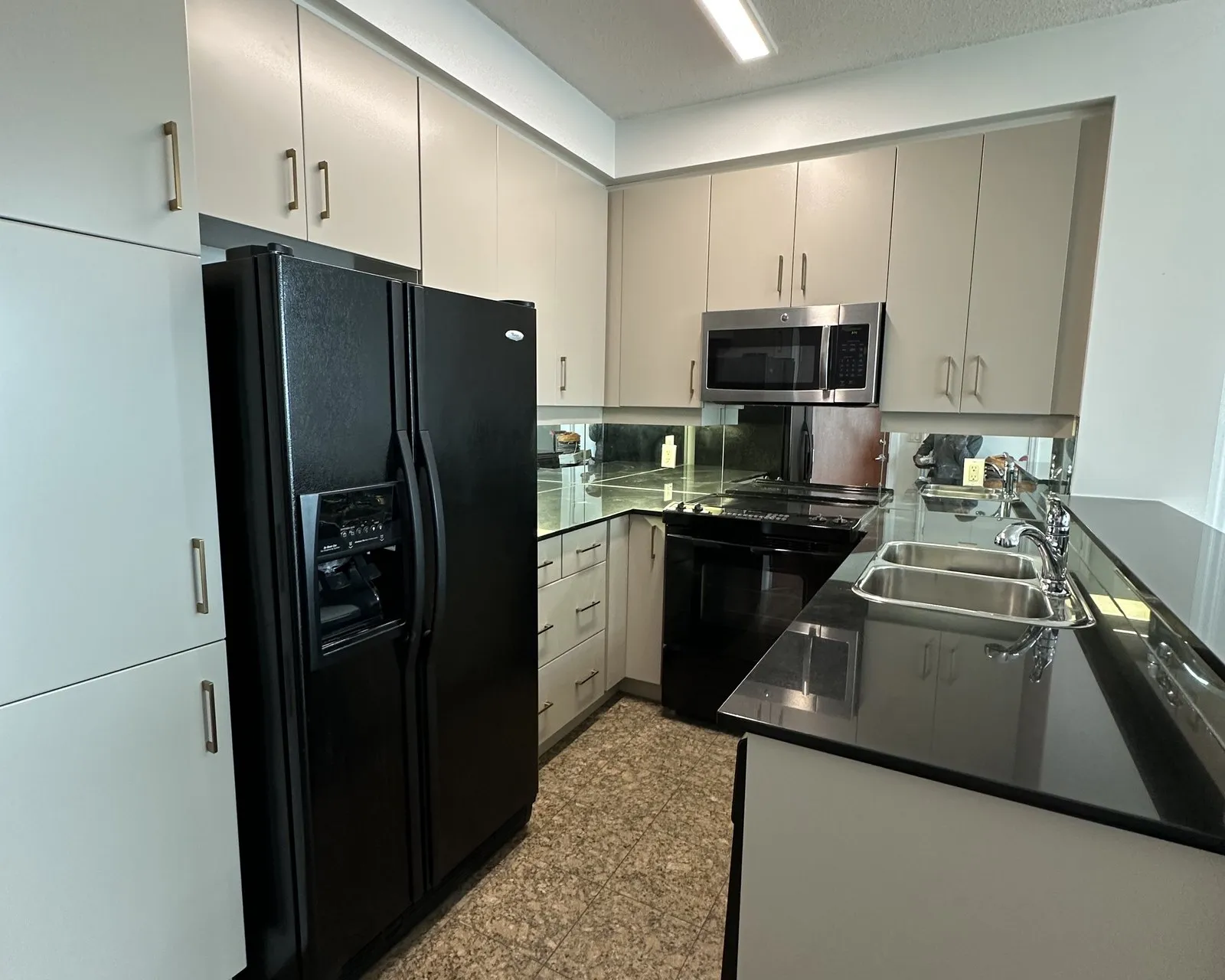 After
After 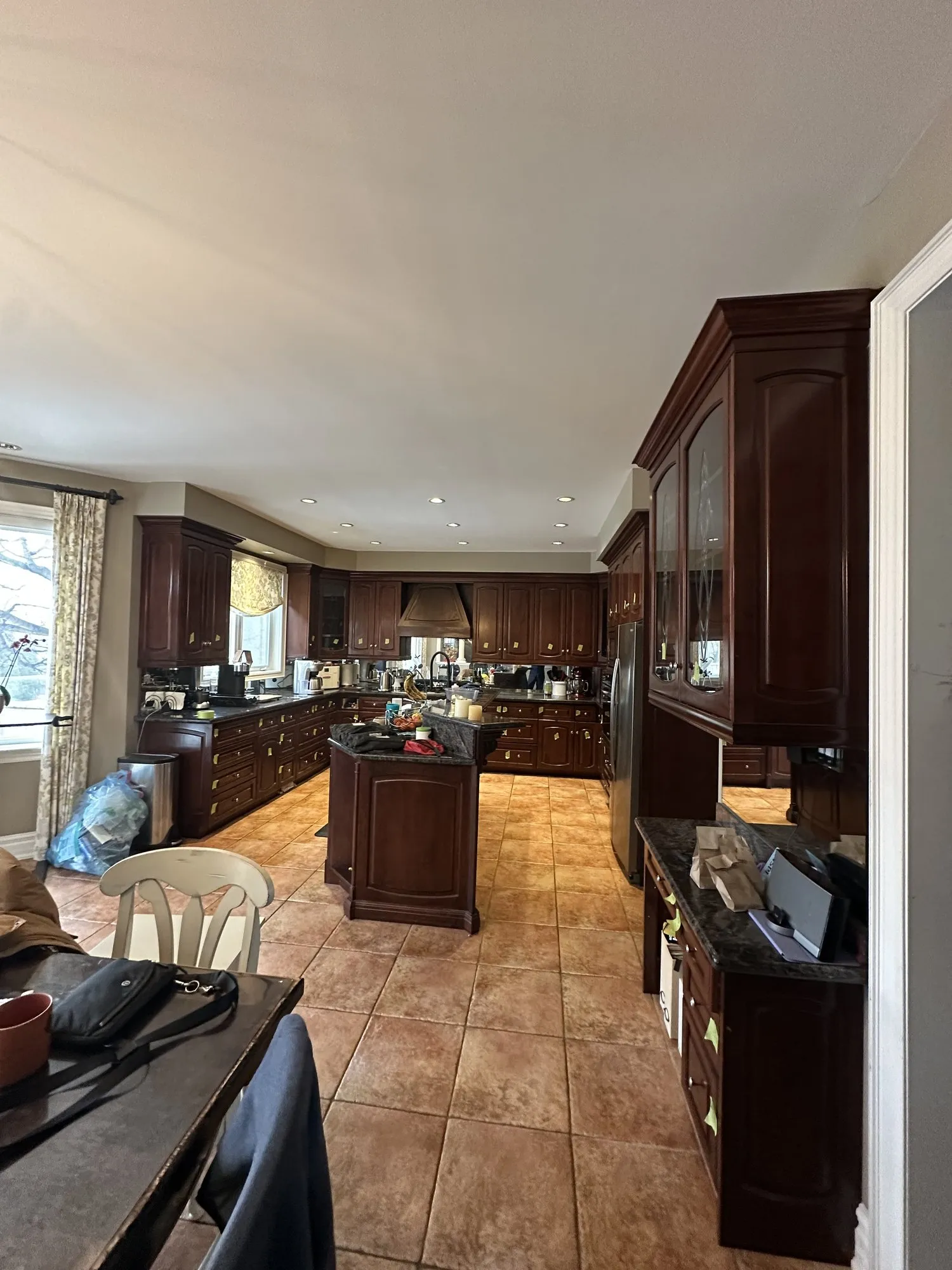 Before
  After
After 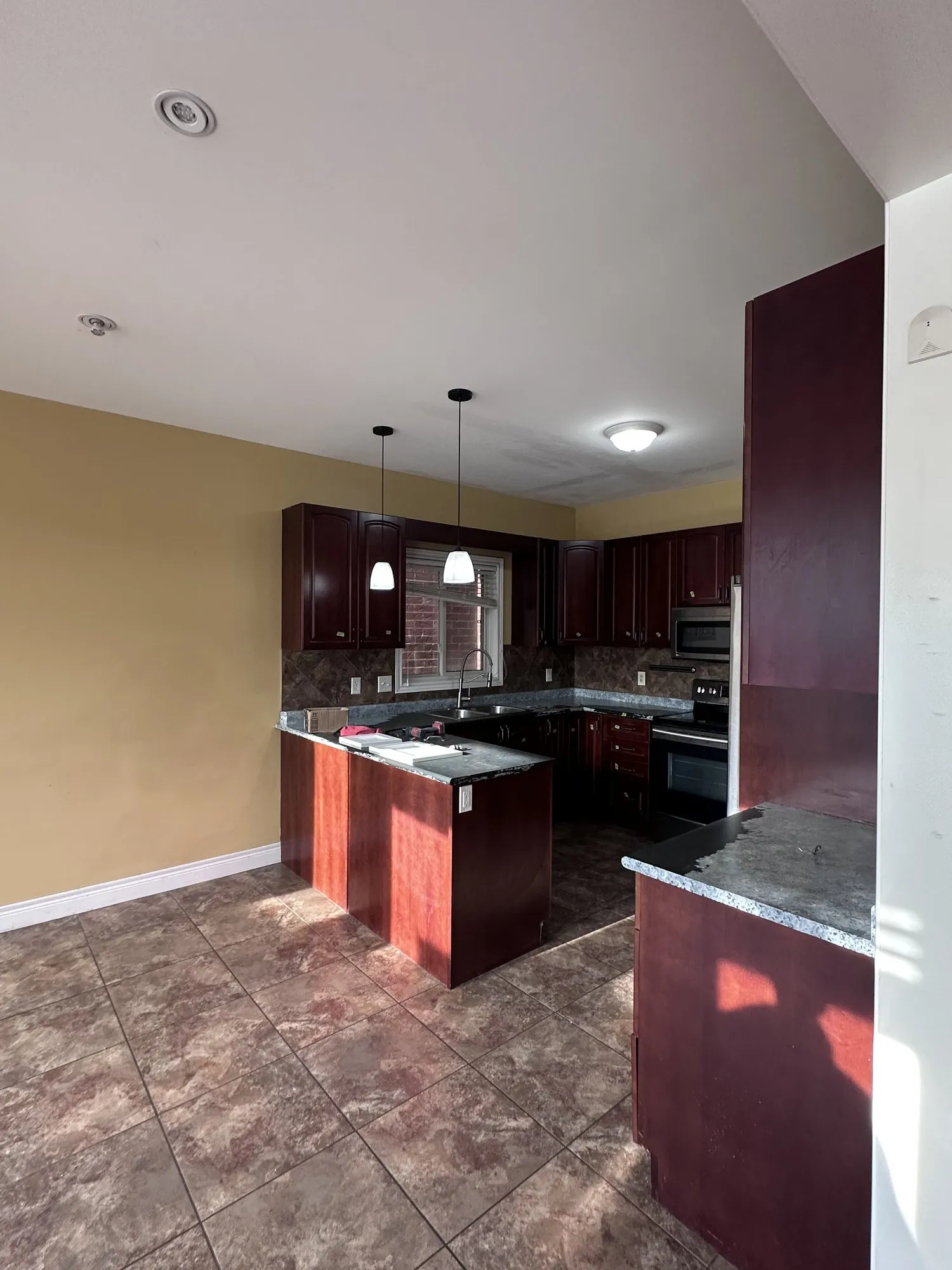 Before
  After
After 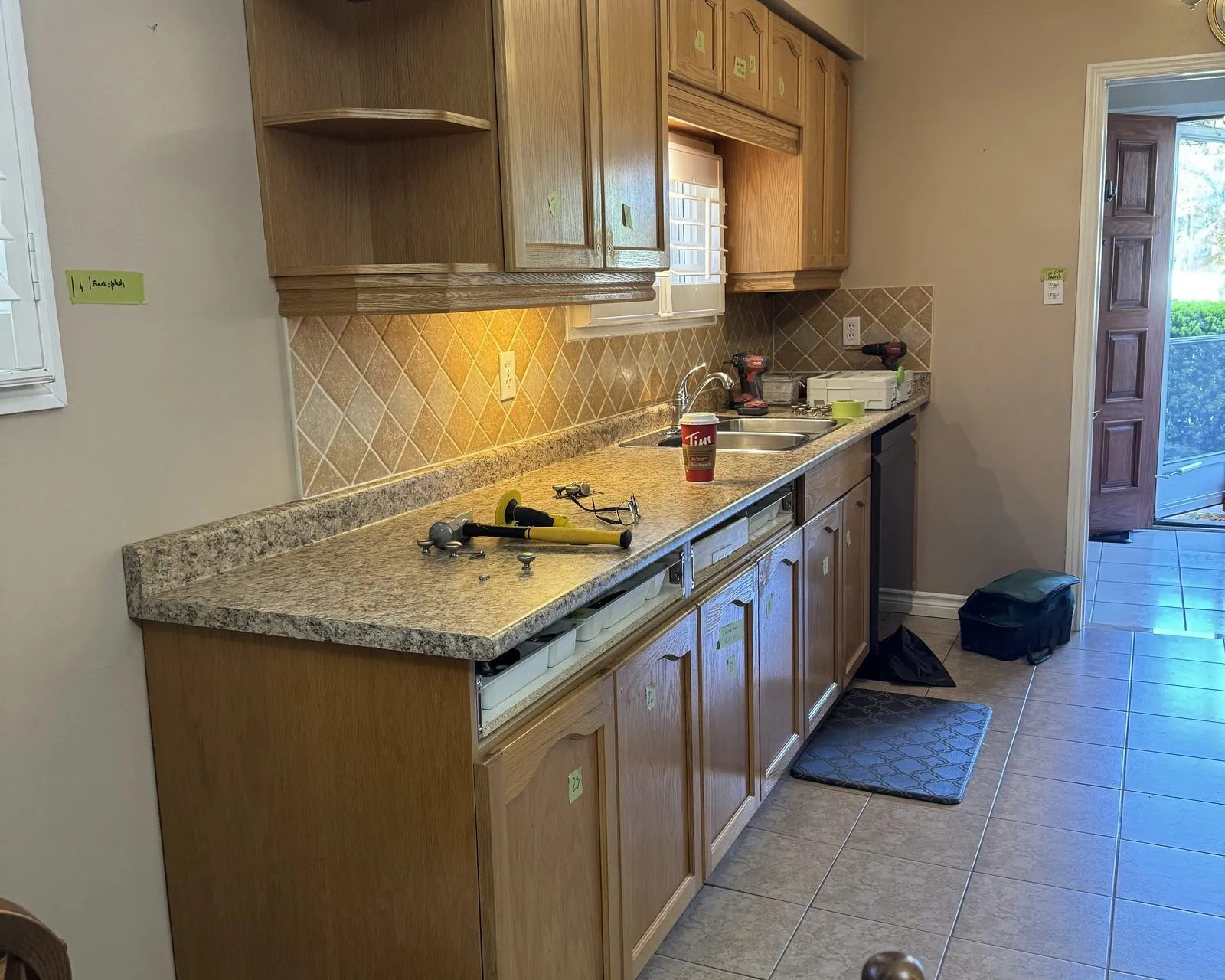 Before
  After
After 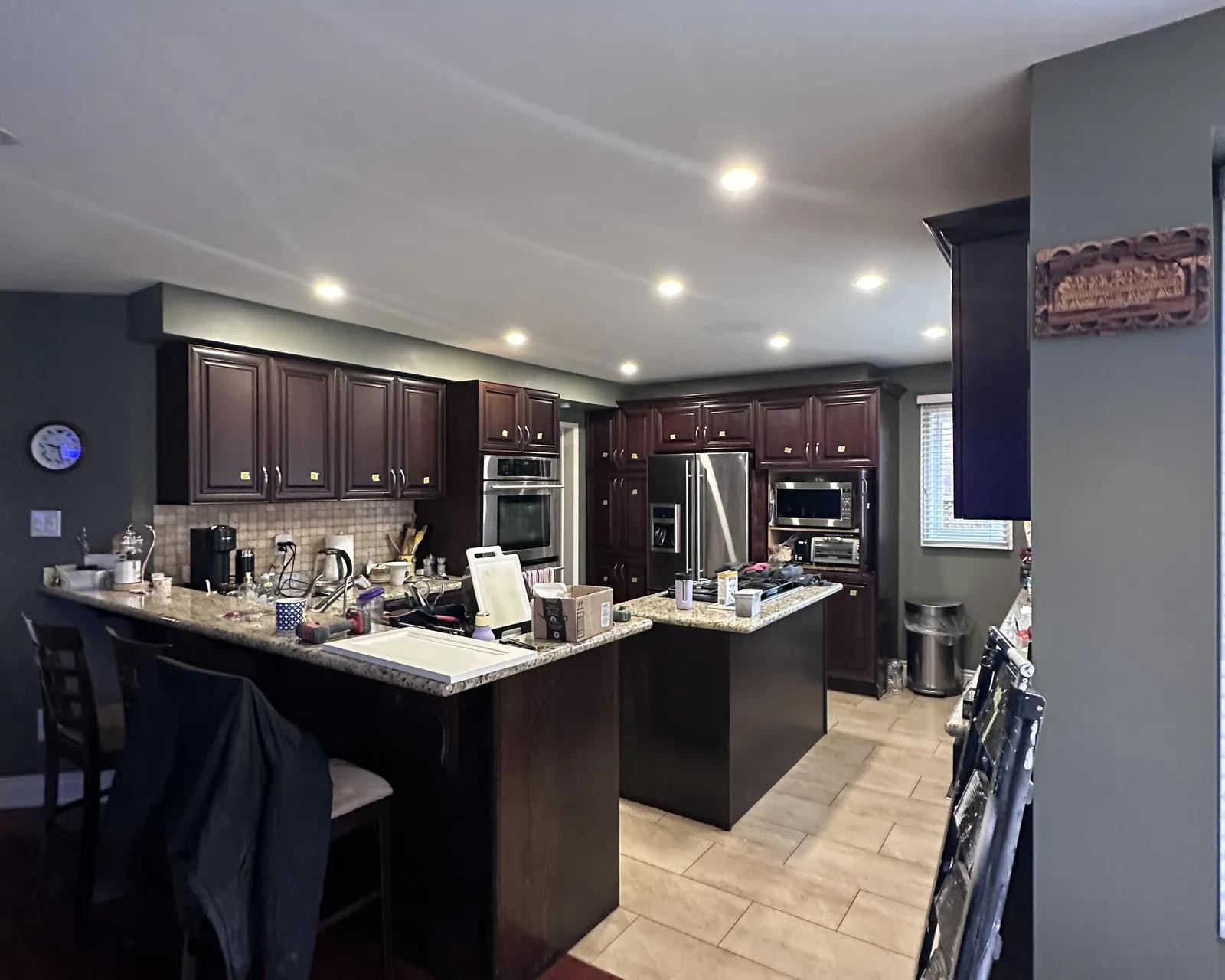 Before
  After
After 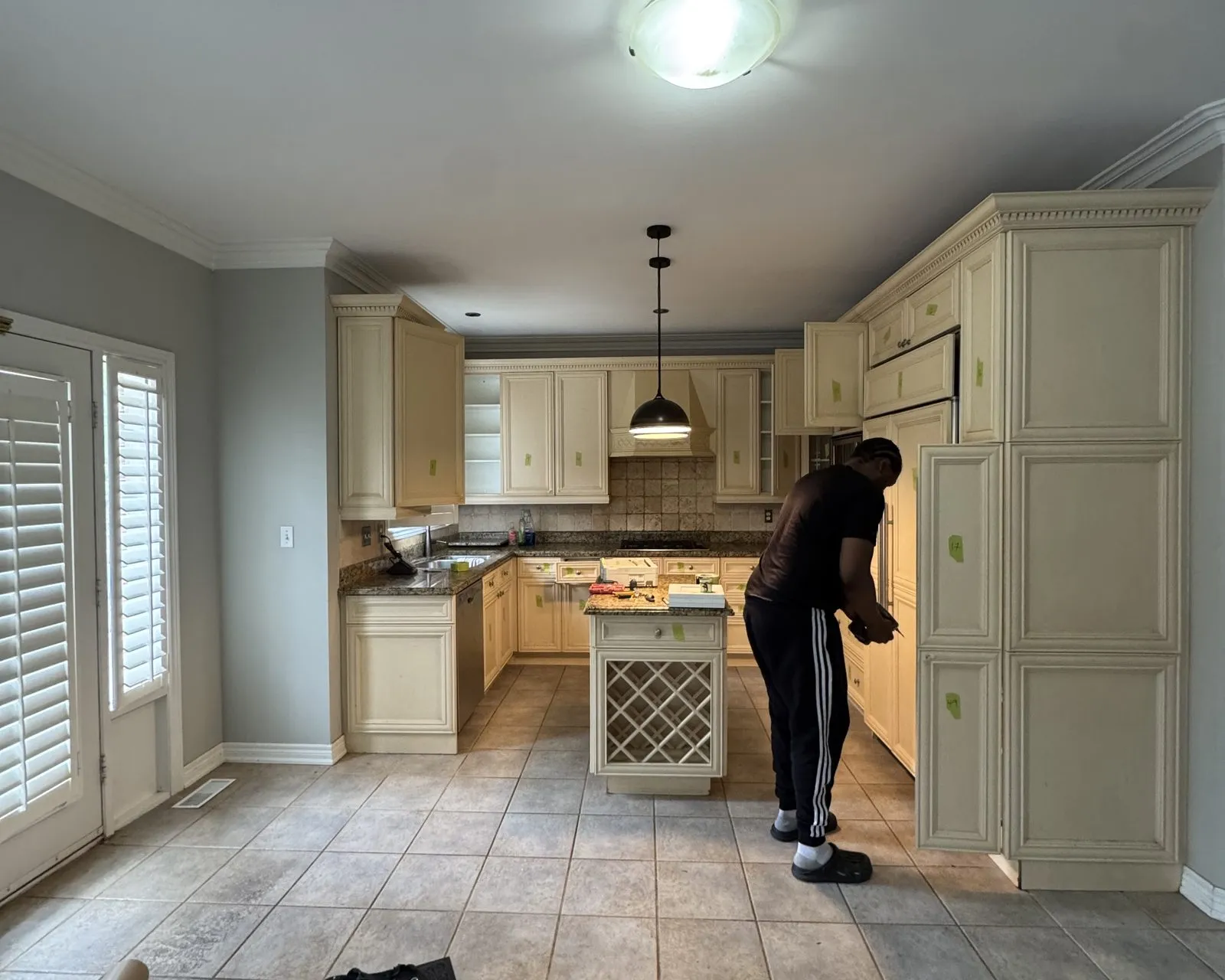 Before
  After
After 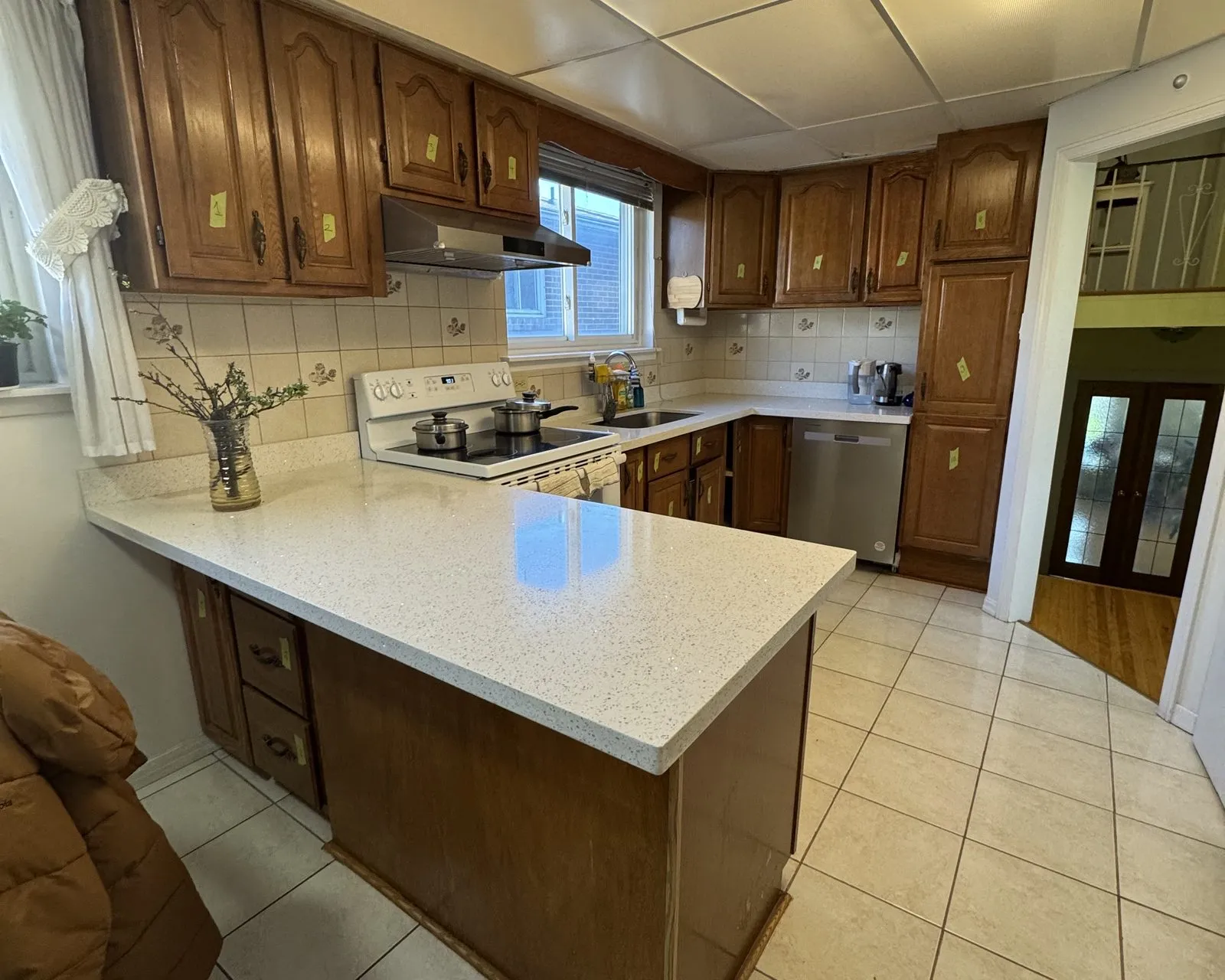 Before
  After
After 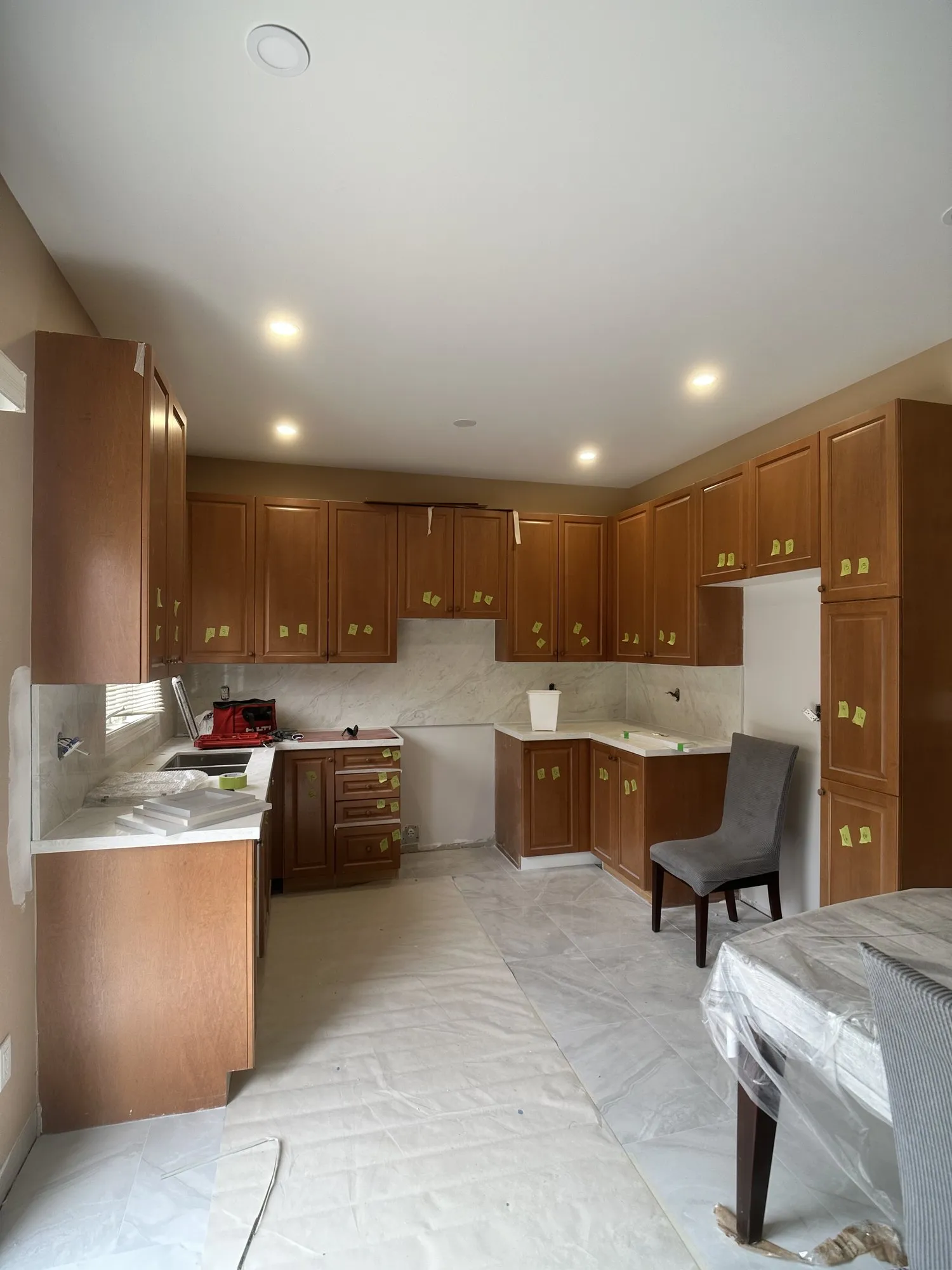 Before
  After
After 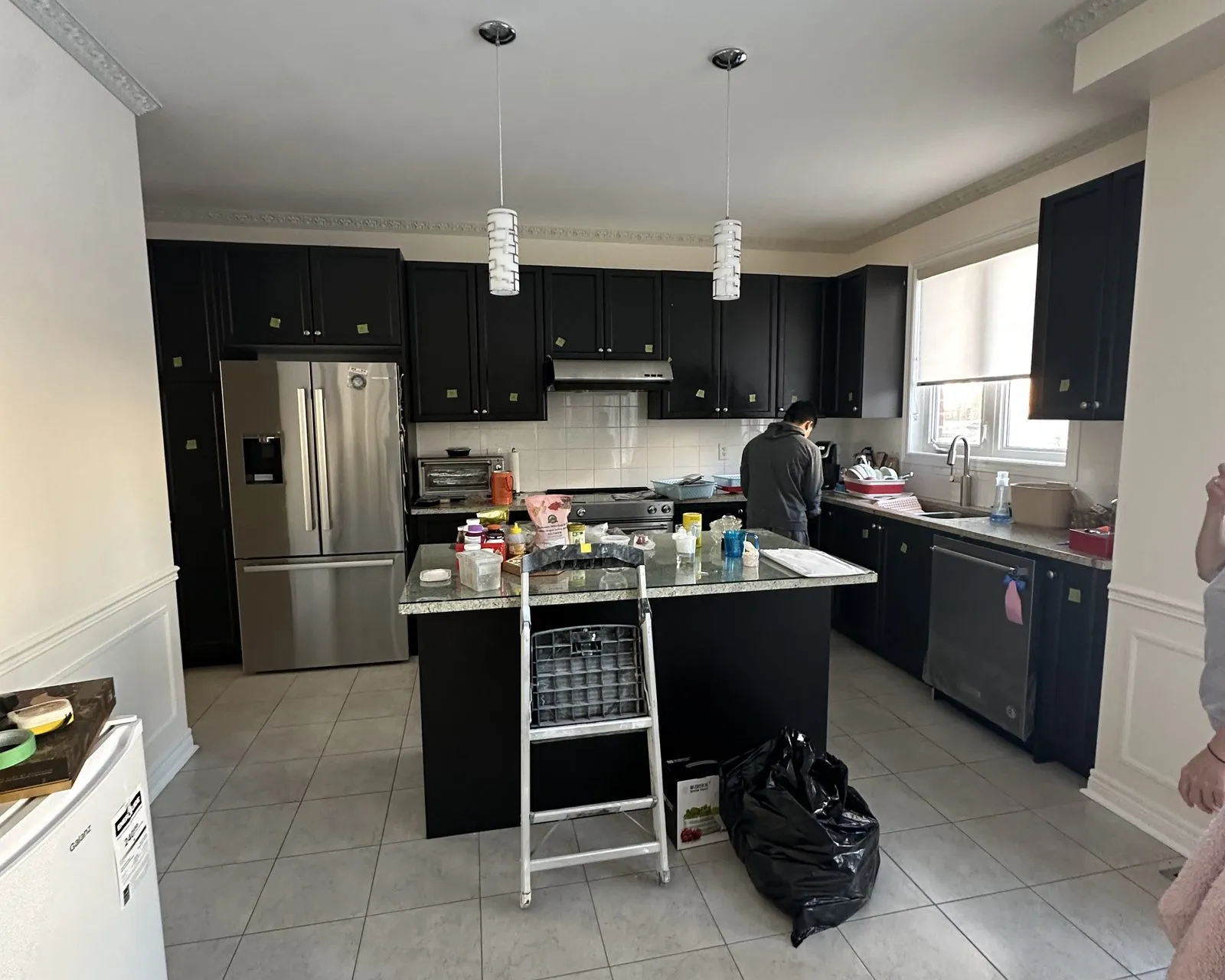 Before
  After
After 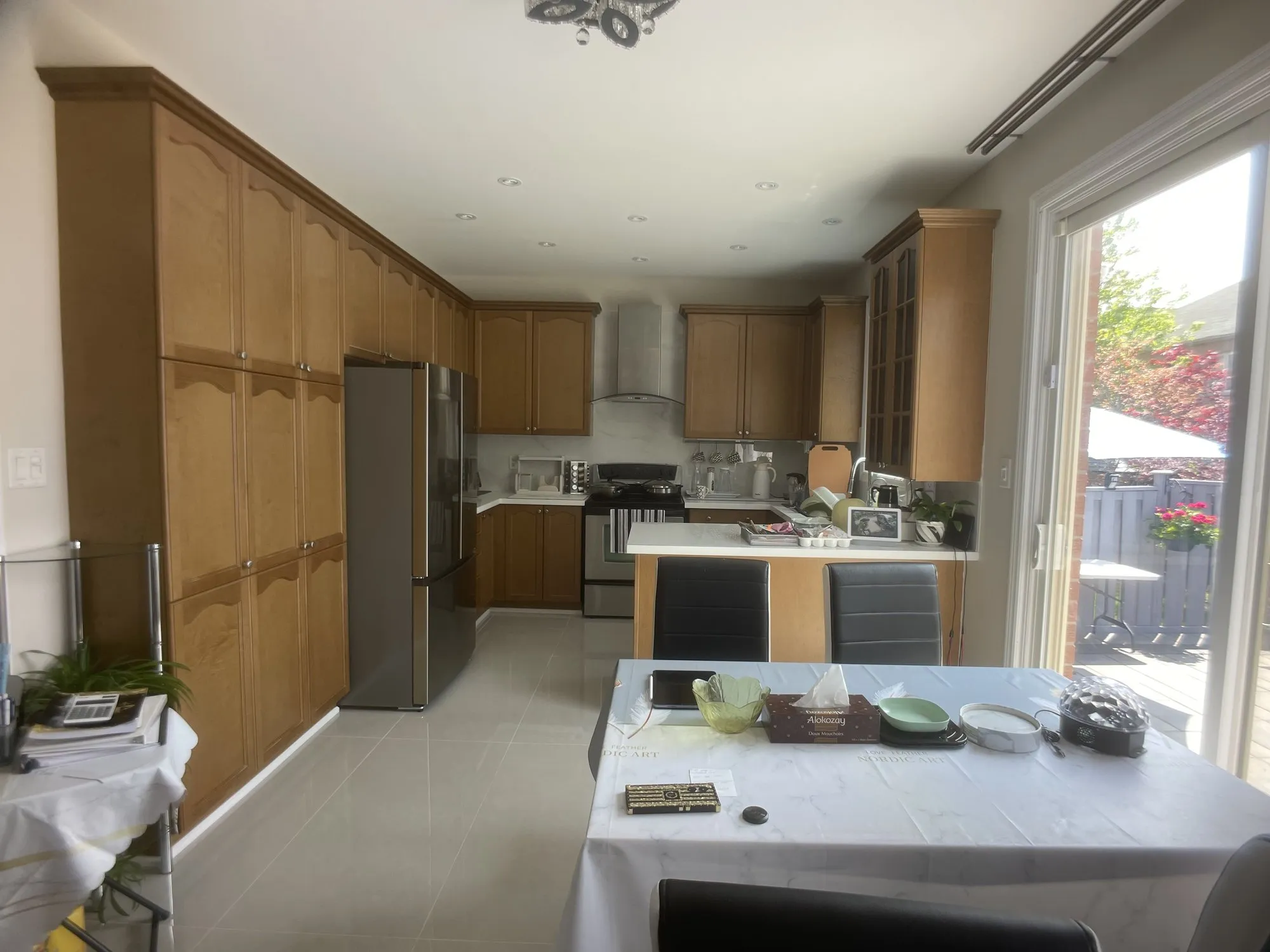 Before
 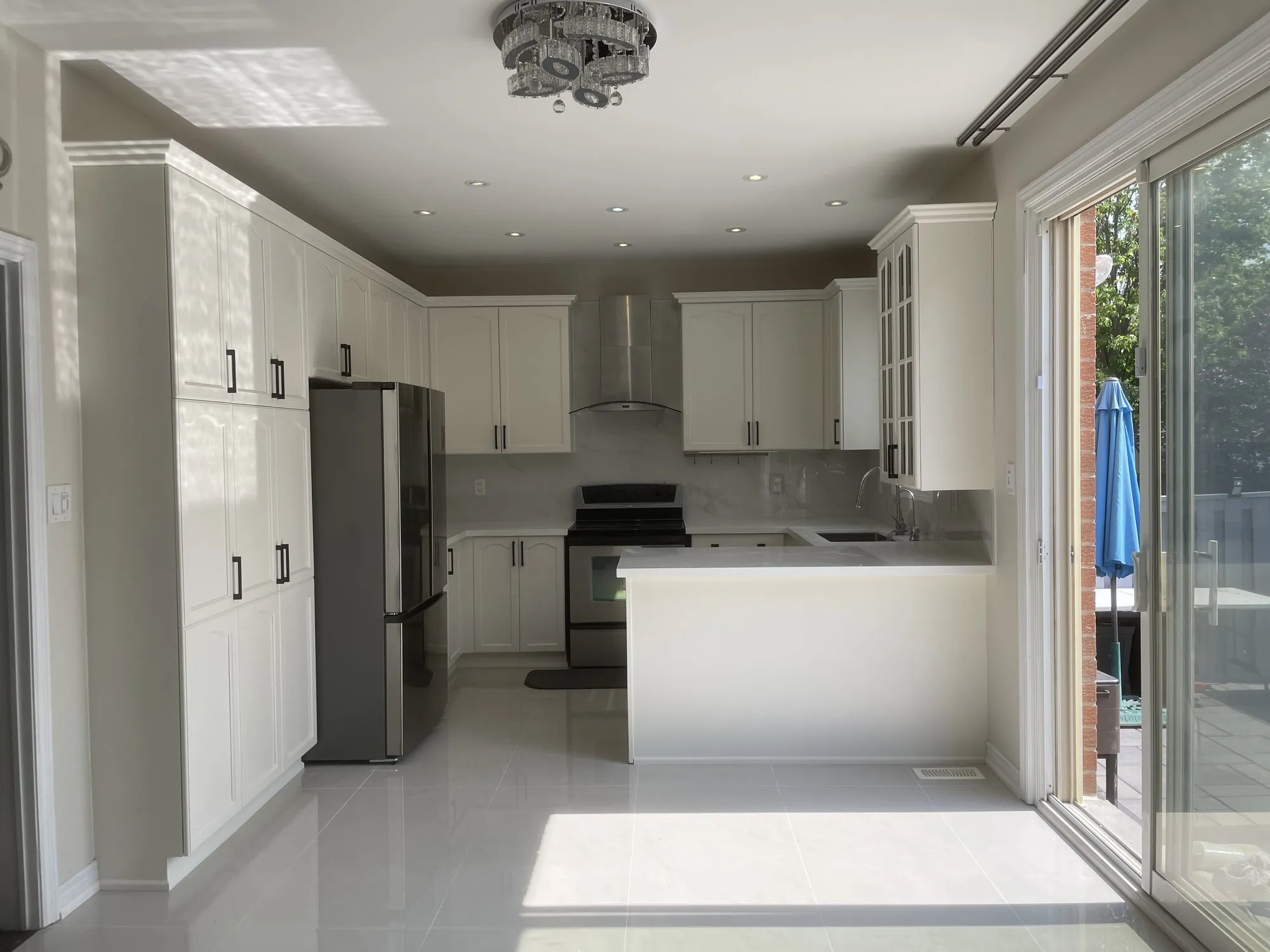 After
After 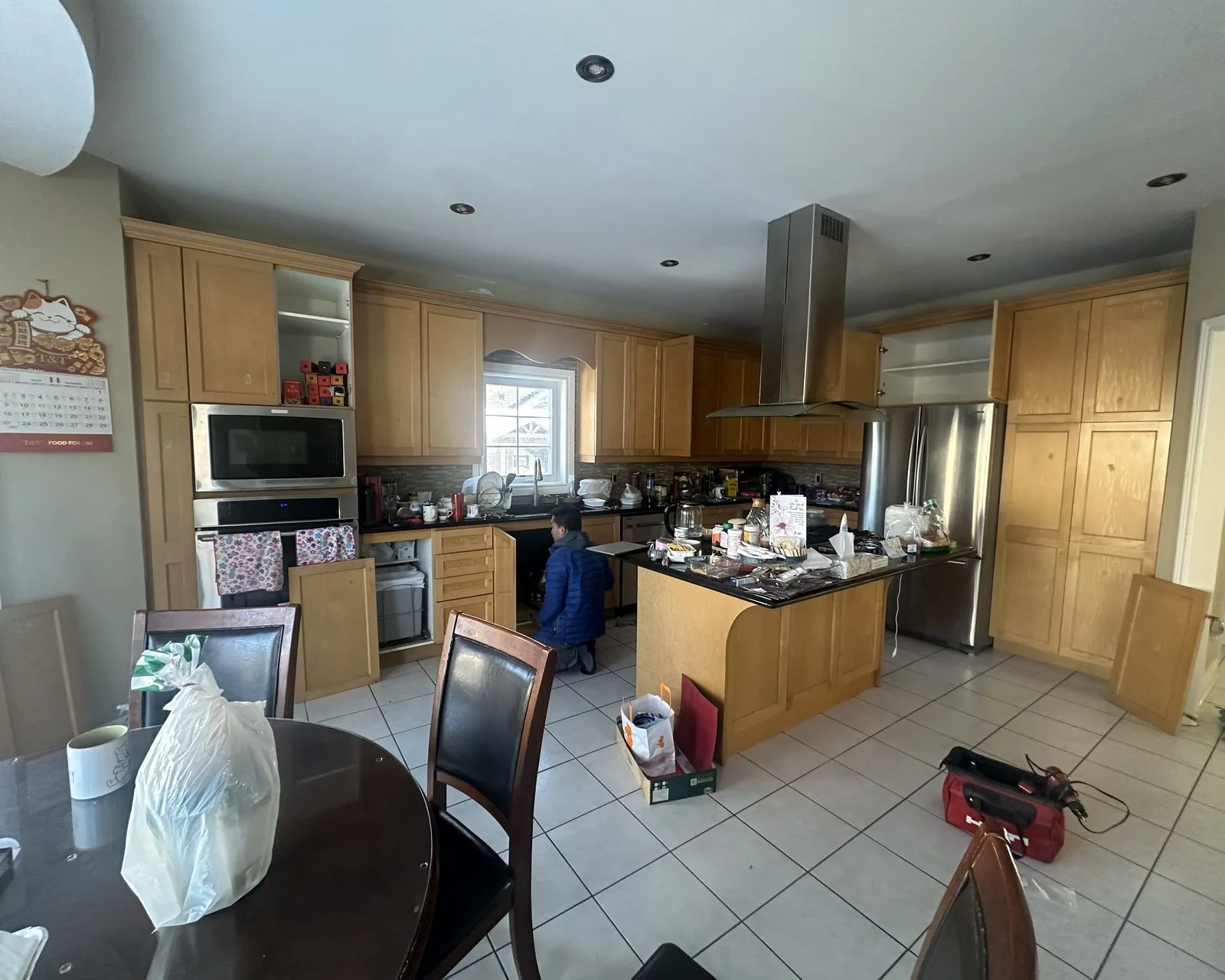 Before
 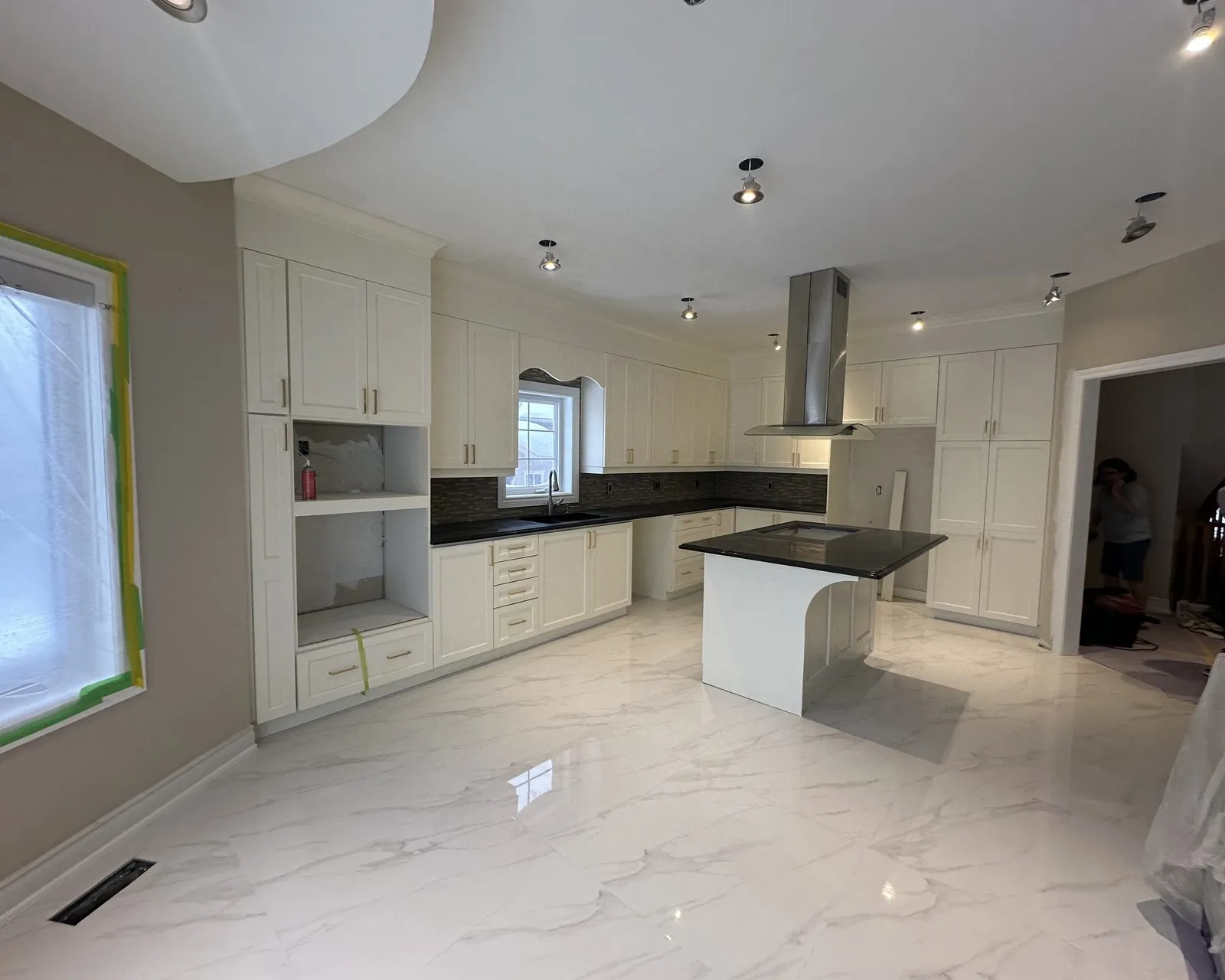 After
After 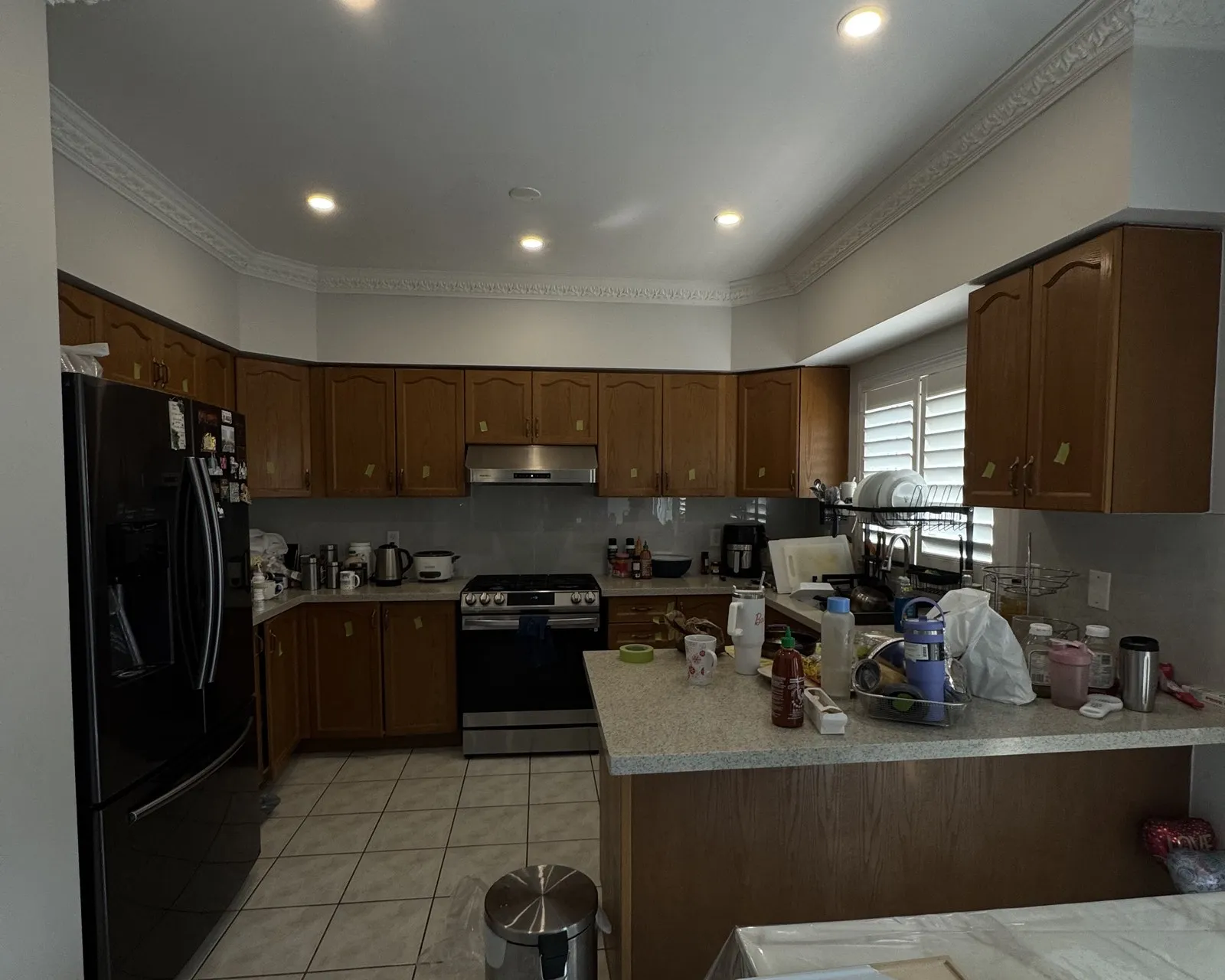 Before
  After
After 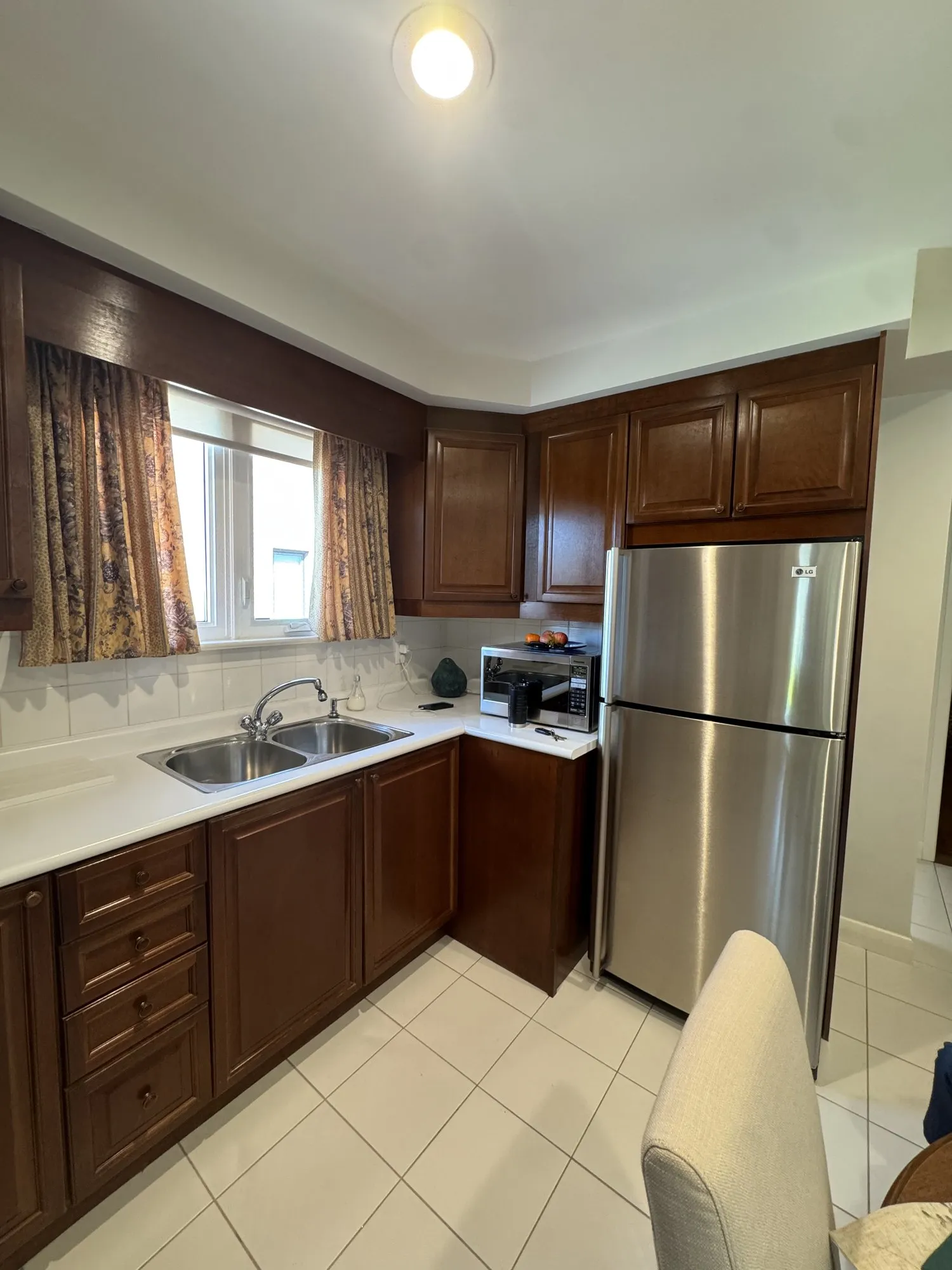 Before
  After
After 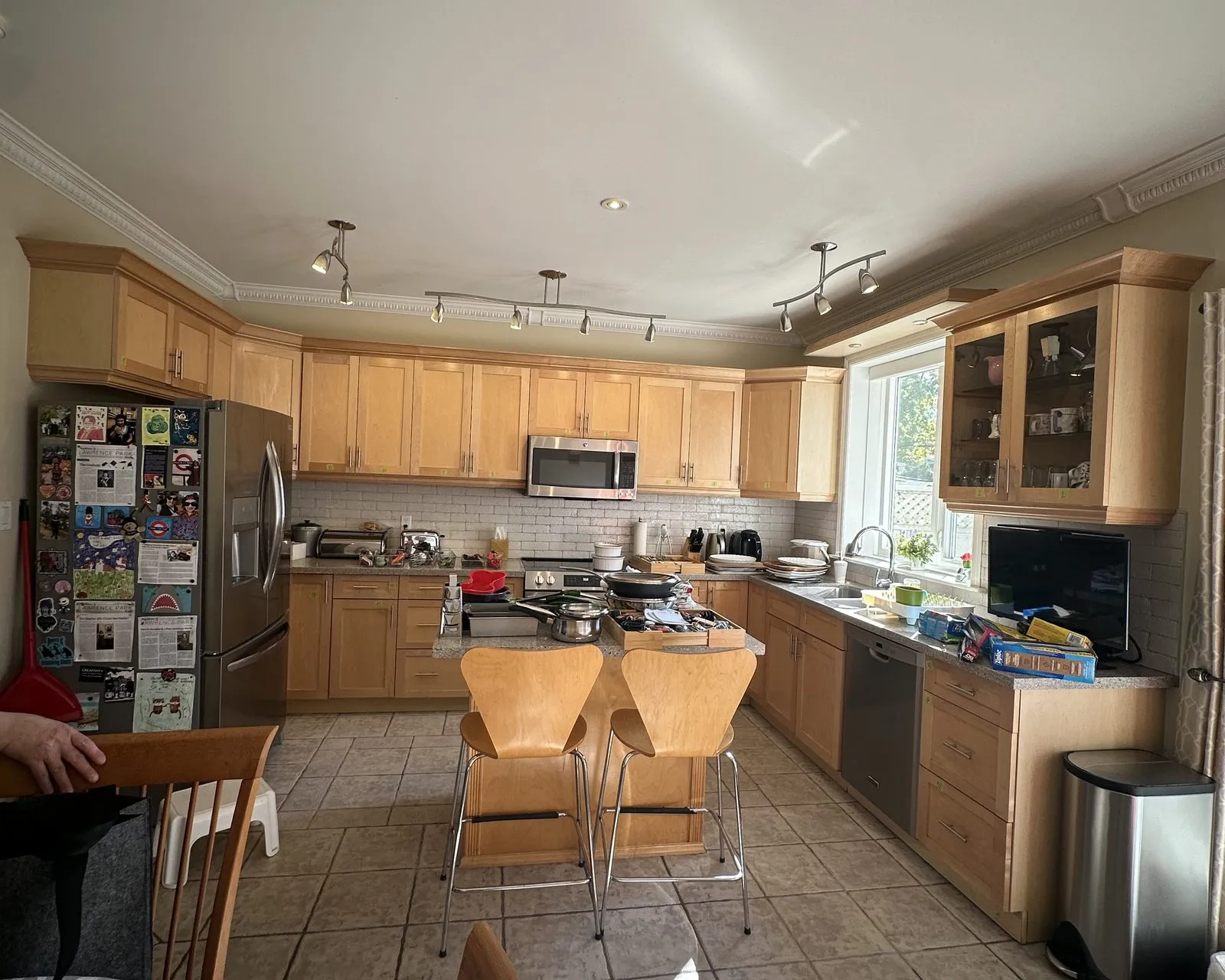 Before
 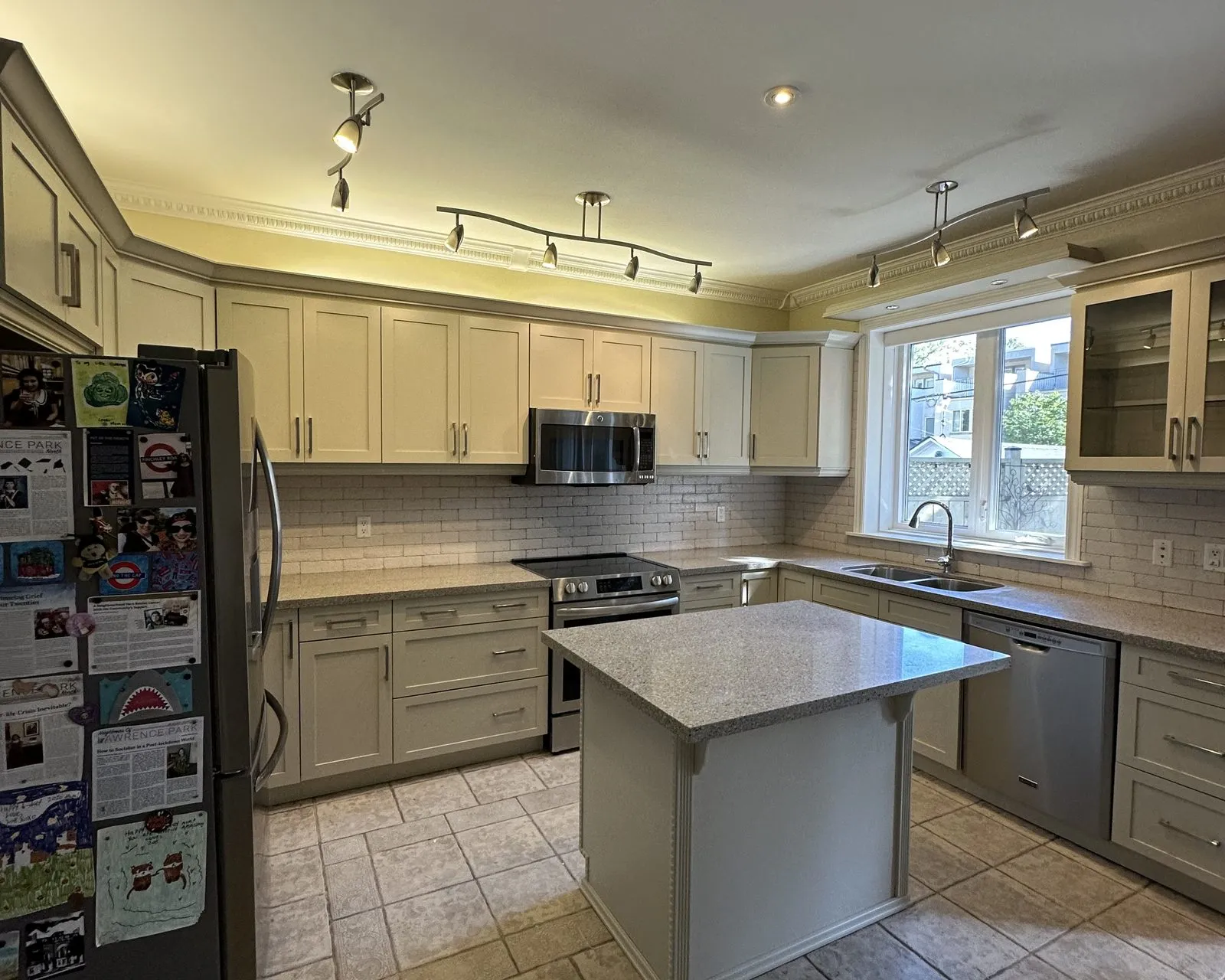 After
After 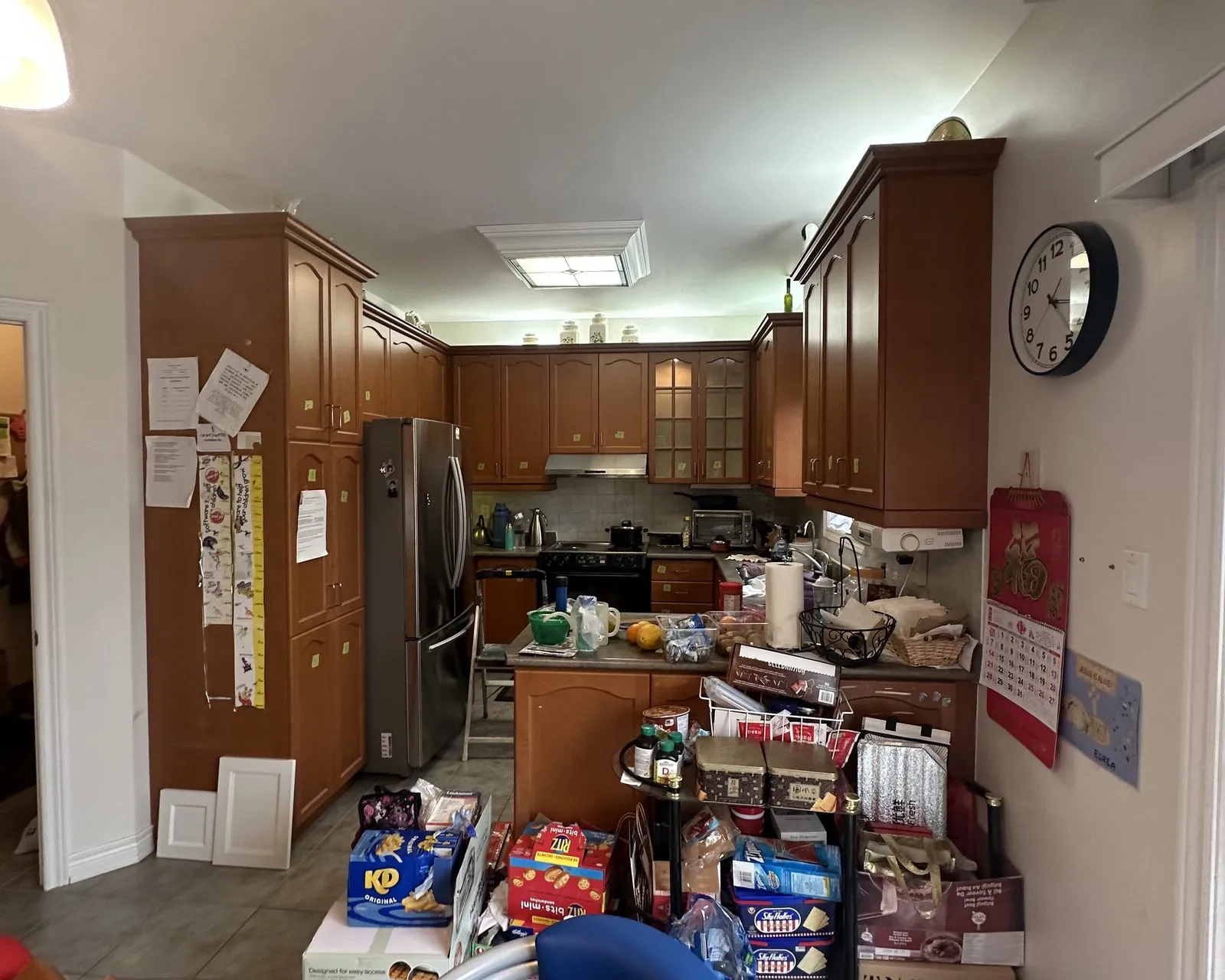 Before
 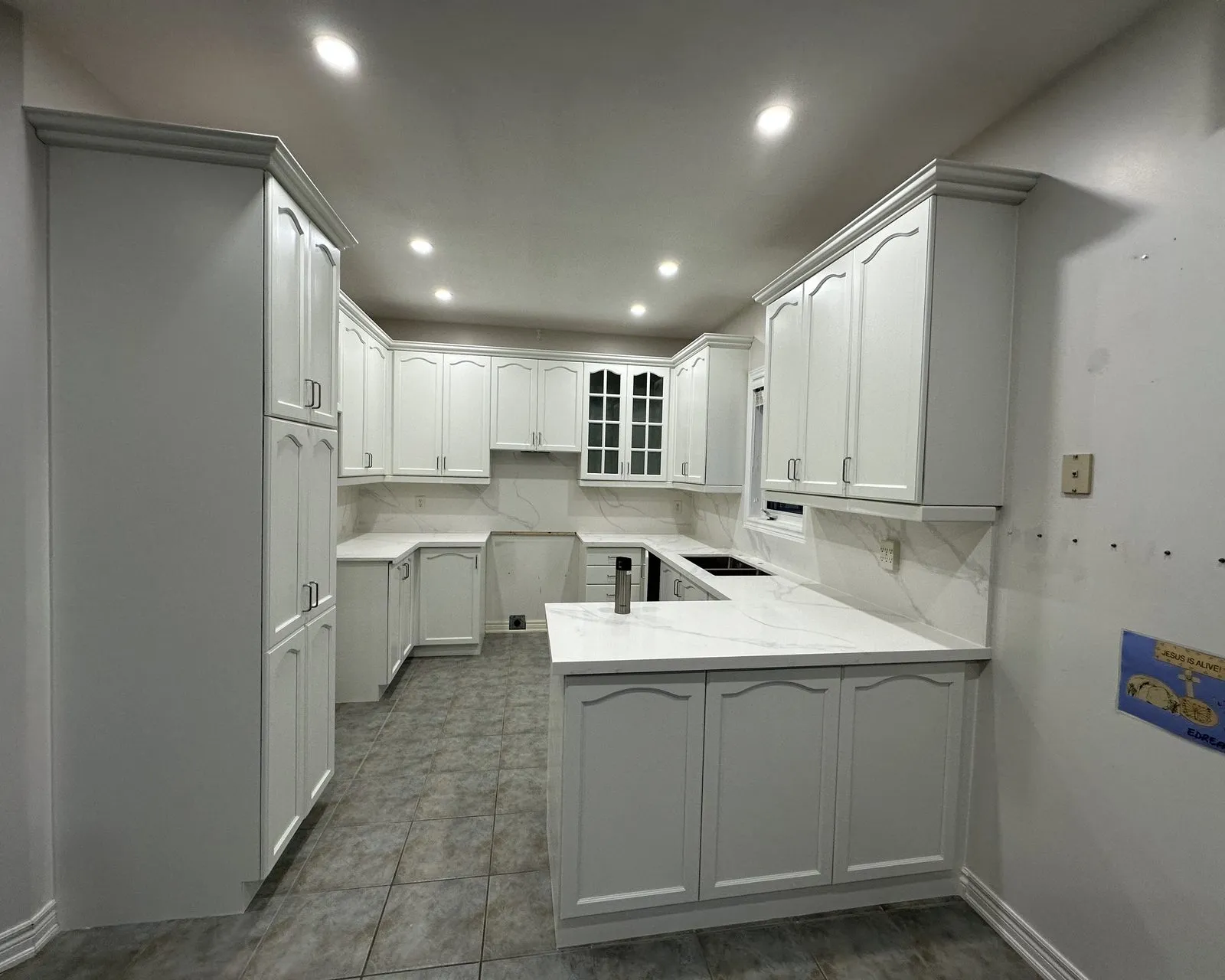 After
After 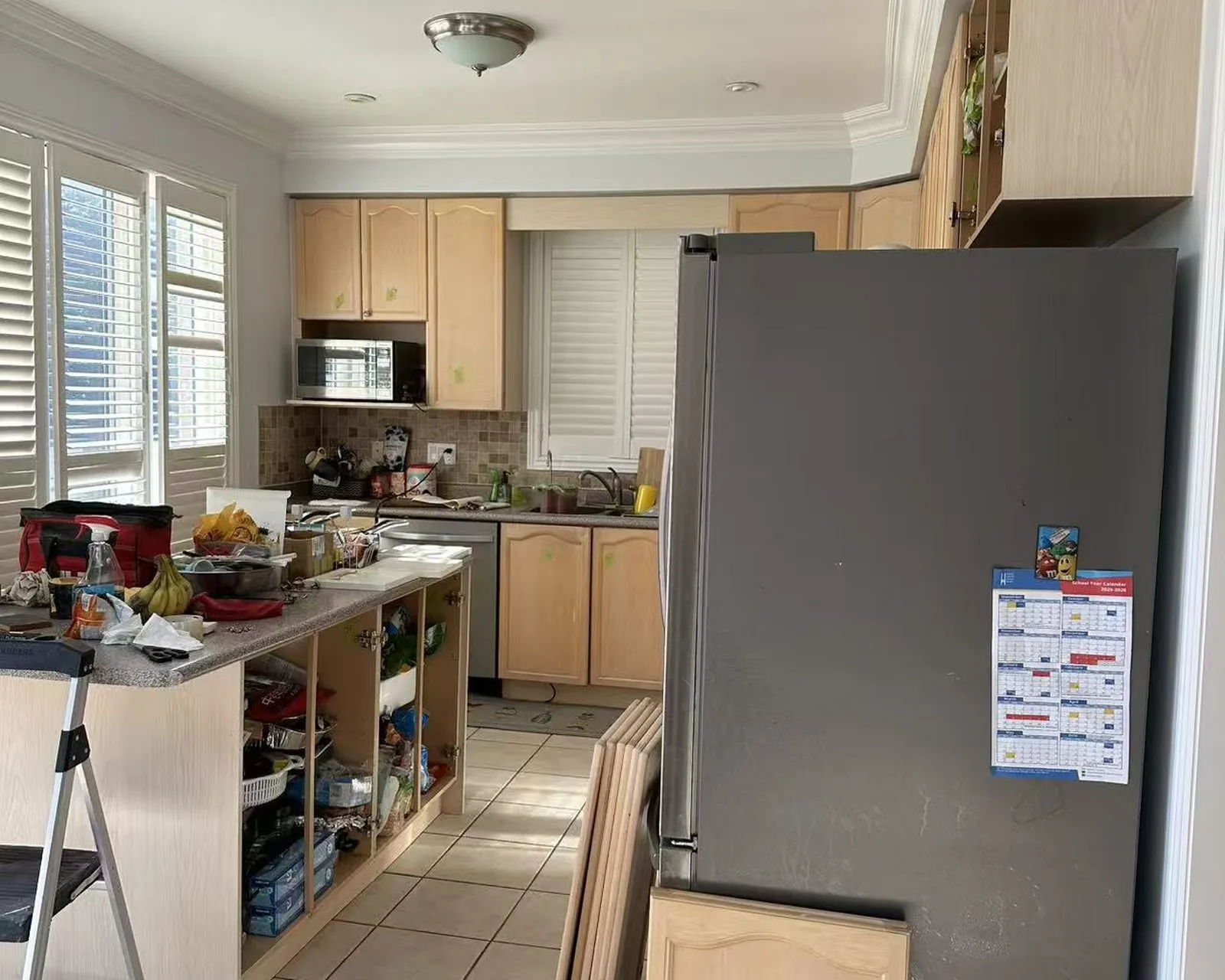 Before
 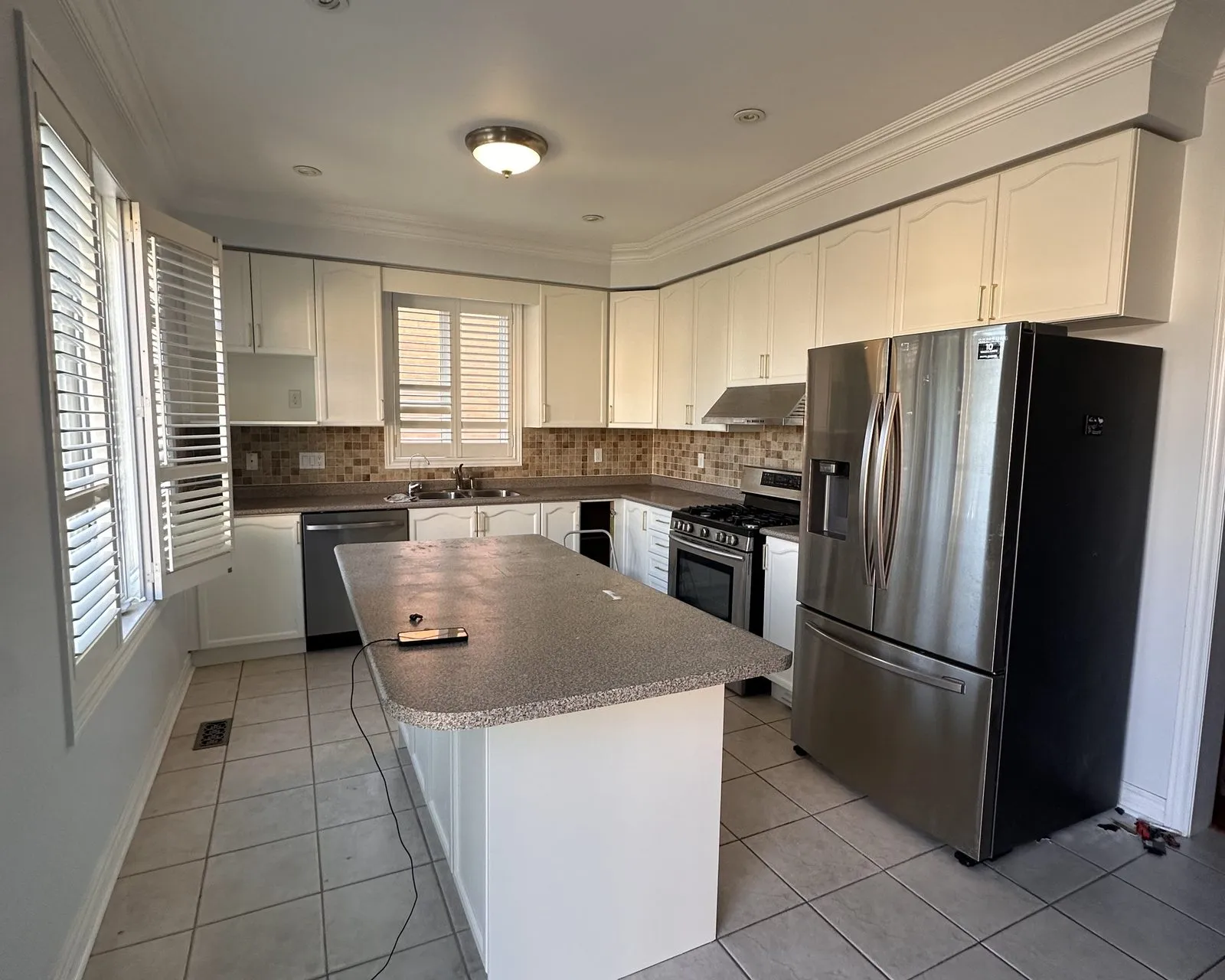 After
After 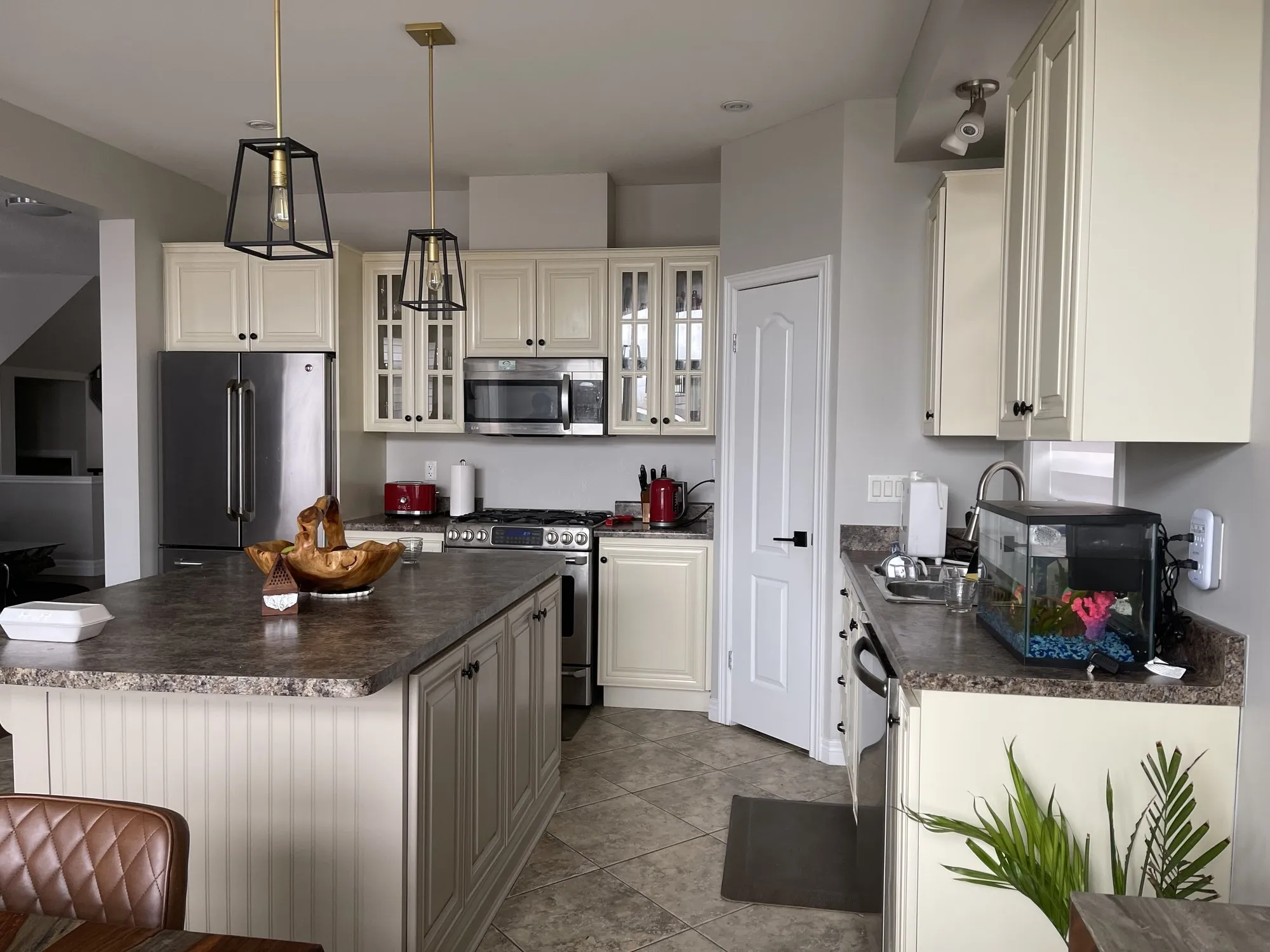 Before
 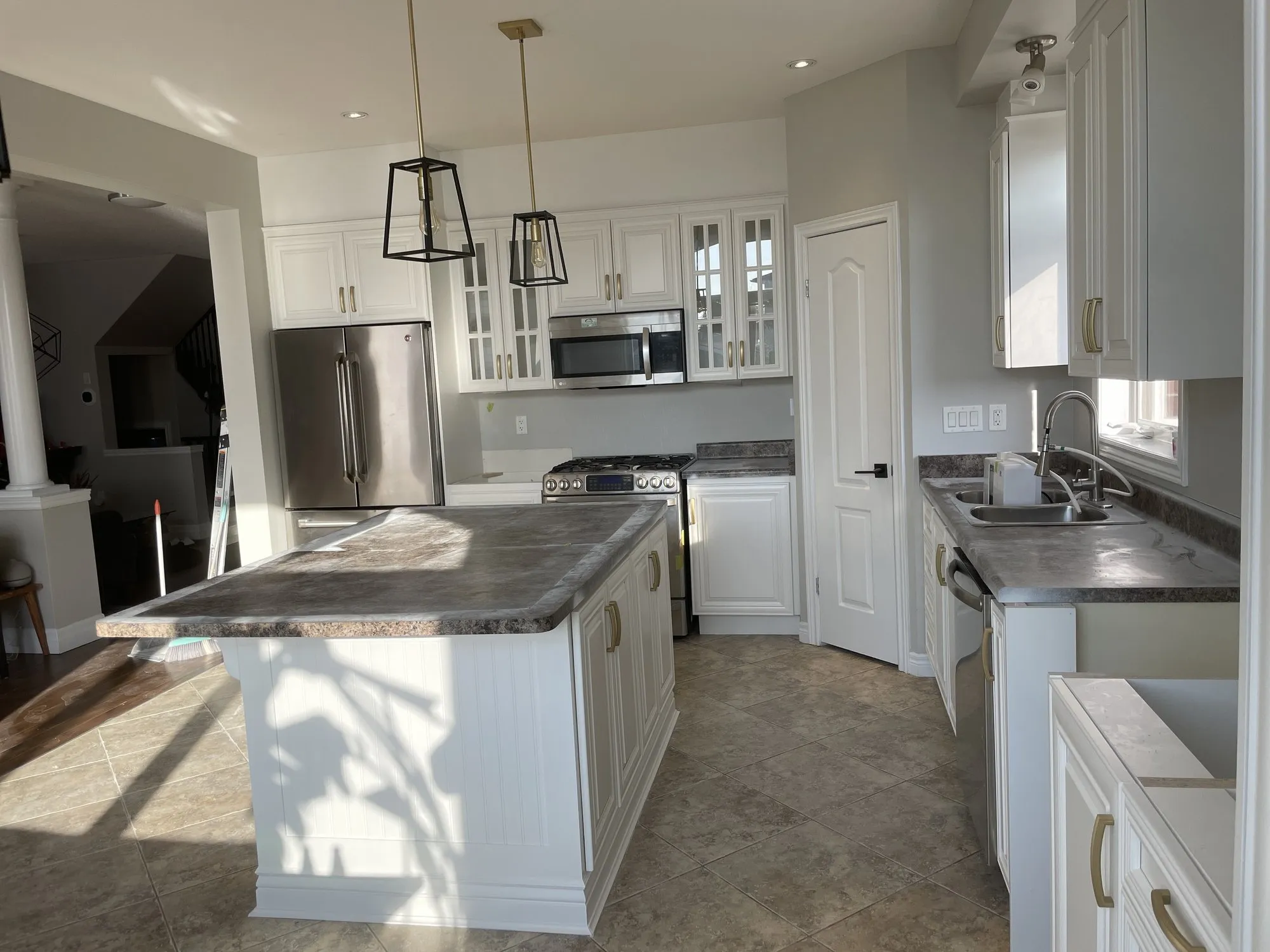 After
After 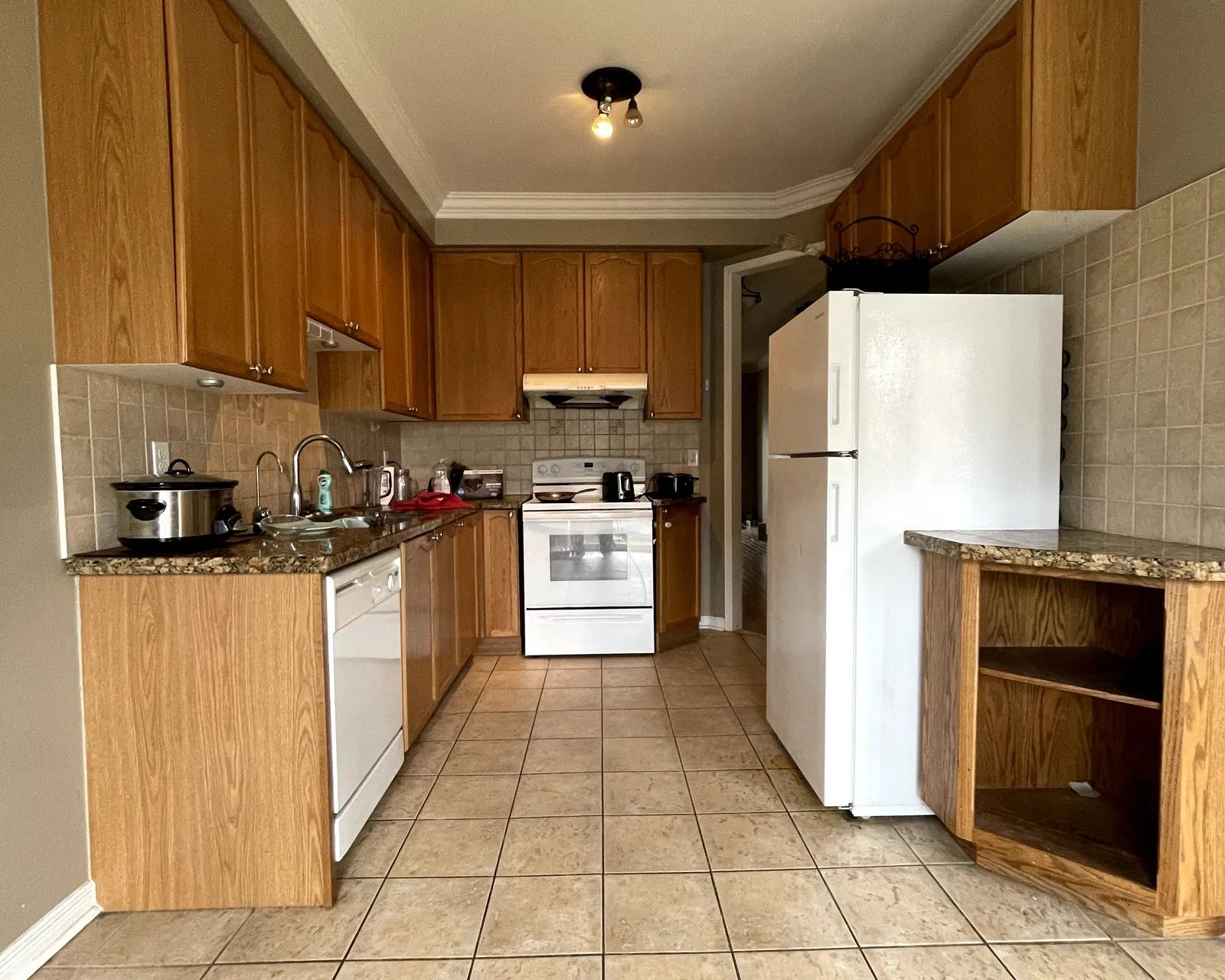 Before
  After
After 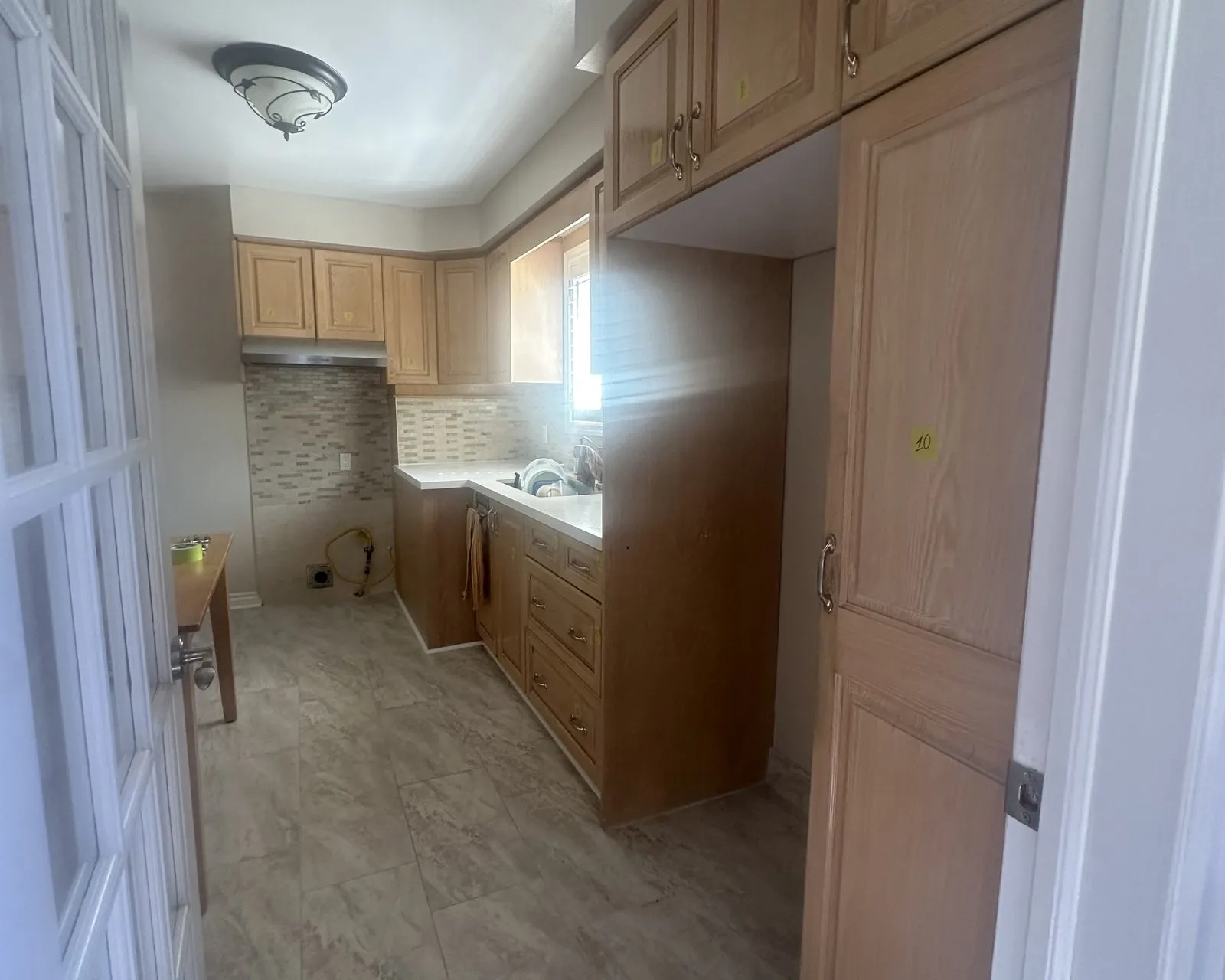 Before
  After
After The rest of the spray work
Beyond the kitchen cabinets
Three more services on the same equipment and the same finish. What changes is the object being sprayed and whether it can leave the house.
Spray painting, and what a booth provides
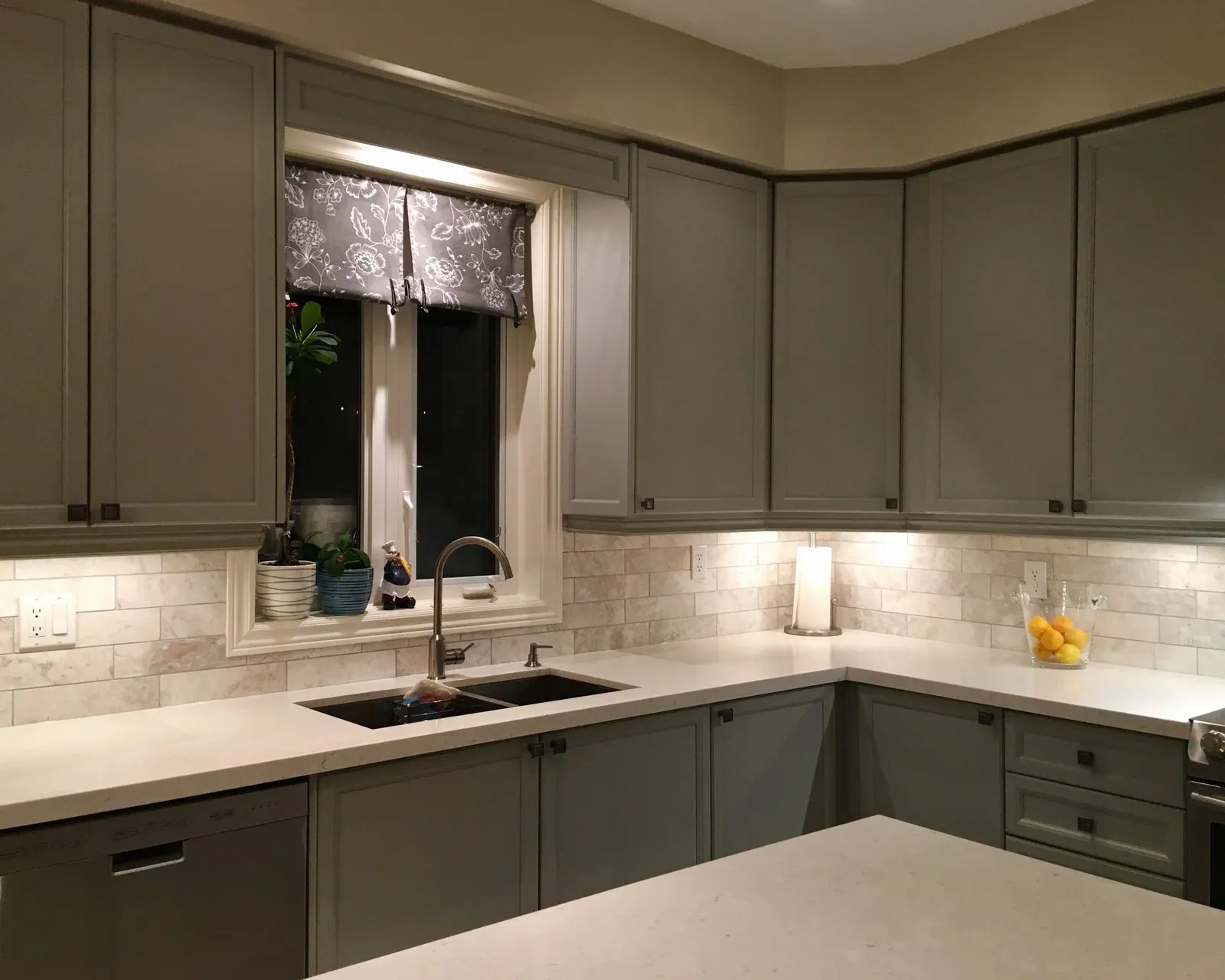
Every door we finish is sprayed rather than brushed or rolled, and the doors leave the house to have it done. Filtered air, controlled temperature and humidity, and extraction — none of which a kitchen has, and all of which decide whether a panel cures flat and clean. Understanding what a controlled room does that a kitchen cannot explains why this trade splits the work in two, sending the fronts away and doing the frames in place.
Wood painting beyond the kitchen
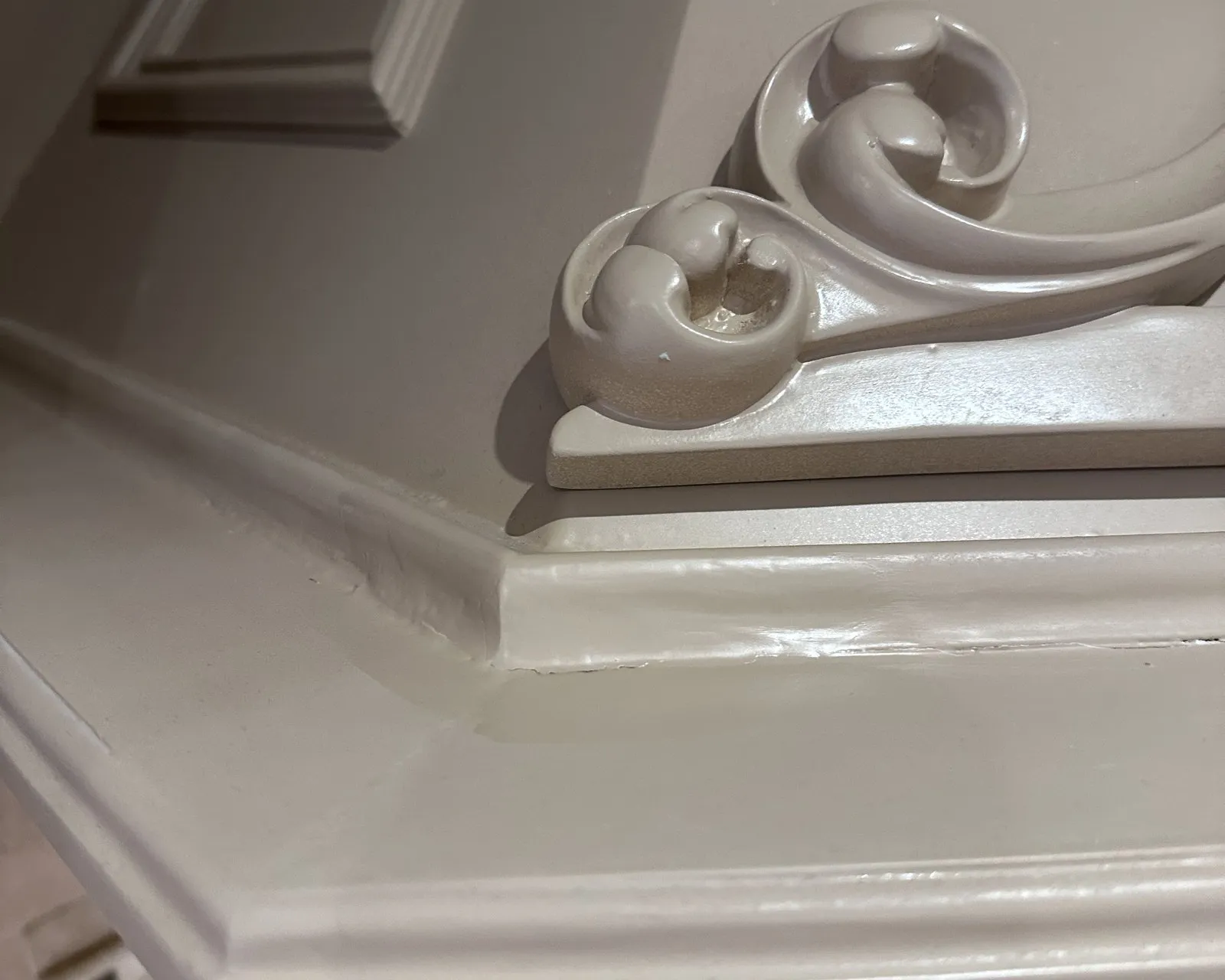
Doors, trim, mantels, banisters, built-ins and the odd piece of furniture — the same spray work applied to things that are not cabinets. Some of it is sprayed and some genuinely is not — trim attached to a wall in an occupied house is brushed where the surface calls for it, in a waterborne alkyd rather than 2K. Knowing where a brushed finish is the right answer is a question about the object rather than about the finish.
Wood staining, where the grain stays visible
The opposite decision from painting, on the same equipment. Stain colours the timber rather than covering it, sealed under clear 2K so the grain reads through. It only works on solid wood, it cannot lighten what is already dark, and it is the right call far less often than people hope — what stain does that paint cannot comes down to whether the timber under the old finish is worth the trouble of uncovering.
Cabinet Painting Cost in Vaughan
Painting is quoted on the door and drawer count plus the days on site, which is why we ask for wide photographs of every cabinet run rather than close-ups. The count is the price, and two kitchens that look alike from the doorway can differ by a dozen fronts once the pantry and the island are in the frame.
Two quotes on identically sized kitchens usually differ on one line, and it is prep. Cabinets polished or waxed for years need the solvent degreaser before anything will bond; a finish already lifting has to come back further than one merely dated.
Interiors and shelving are not included as standard and are quoted separately. Colour is not a price variable — any colour costs the same, because the finish is tinted rather than stocked.
Against replacing the doors, painting is substantially less, and the project runs shorter because nothing is being manufactured. What you keep is the profile you already have.
Painting is the cheapest of the three, and not always the right one
Cabinet painting keeps the doors you have and changes their colour. Where the profile is right and the doors are sound, that is the correct spend and the cheapest of the three. Where the door style itself is the problem, no colour fixes a profile — and where there is grain worth showing, covering it is the wrong direction entirely. Reading how painting, refacing and refinishing compare on one kitchen is the fastest way to work out which of the three your kitchen is asking for.
Questions
Common questions about cabinet painting in Vaughan
- Why does spraying cost more than brushing?
- Because of everything around it rather than the act itself. The doors come off, are transported, sprayed in a booth with filtered air and controlled humidity, cured, and brought back — against somebody arriving with a brush and working in the room. What you are buying is a surface with no texture in it, which on a door viewed from a foot away is the whole difference.
- Will it chip like the last painted kitchen I had?
- That usually comes down to two things and both are preparation rather than paint. Cabinets accumulate wax and furniture polish that water-based cleaners cannot lift, so the coating bonds to the wax instead of the door and lets go months later. And most painters use a water-based finish that stays comparatively soft. We degrease with a solvent formula and spray catalysed 2K.
- Can you paint over thermofoil or laminate?
- Sometimes, and we will say which after seeing photographs. Thermofoil that is lifting at a corner will keep lifting under paint, because the problem is the bond underneath rather than the surface. Where it is sound, it can be prepared and sprayed — but it is the one substrate we quote conditionally rather than flatly.
- How long is my kitchen unusable?
- Less than most people expect. The doors are away for about a fortnight and the kitchen works normally throughout, with open shelving where the fronts were. The disruptive part is the few days at the end when the frames are sprayed in place, and we ask you out of the house for two or three of those because 2K is solvent-based.
- Do the insides of the cabinets get painted?
- Not as standard. What gets sprayed is everything you see with the doors shut — faces, frames, exposed end panels. Interiors and shelving are quoted separately because spraying them roughly doubles the surface area involved, and most people decline once they see the line.
- Can I see a colour on my own kitchen before I decide?
Yes, and it is free. Upload one wide photograph of your cabinets and our visualiser shows how the colour sits on your own doors in seconds. Treat it as a shortlist tool rather than a promise — we bring real painted samples to the kitchen before anything is sprayed, because a screen cannot show you how a colour behaves in your own daylight.
Wondering what your kitchen looks like in another colour?
Send wide photographs of every run of cabinet and a written price comes back inside 24 hours, which does not change afterwards. If painting is the wrong call for your doors, that is the first thing you will hear.
Free in-home consultation · no obligation
Refaced. Repainted. Refinished.