
Kitchen Cabinet Replacement in Vaughan
New cabinets, put together and installed by our team. Keep your layout or let us design a new one.
$300/linear ft
Installed, starting price
4–6 weeks
From signing to installed cabinets
5 years
Warranty on your cabinets
4.9
Rated on Google
Door styles
Choose from 40 kitchens in our catalogue
Browse by door style. When you find one you like, tell us and we will include it in your quote.
-
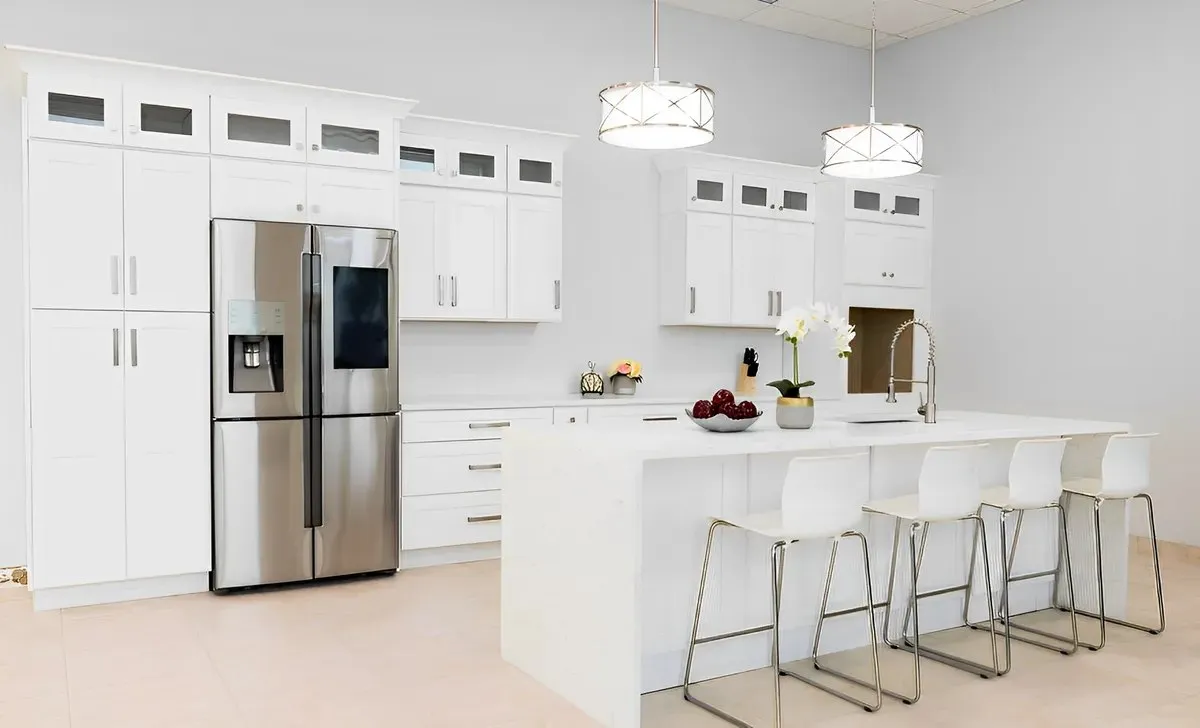
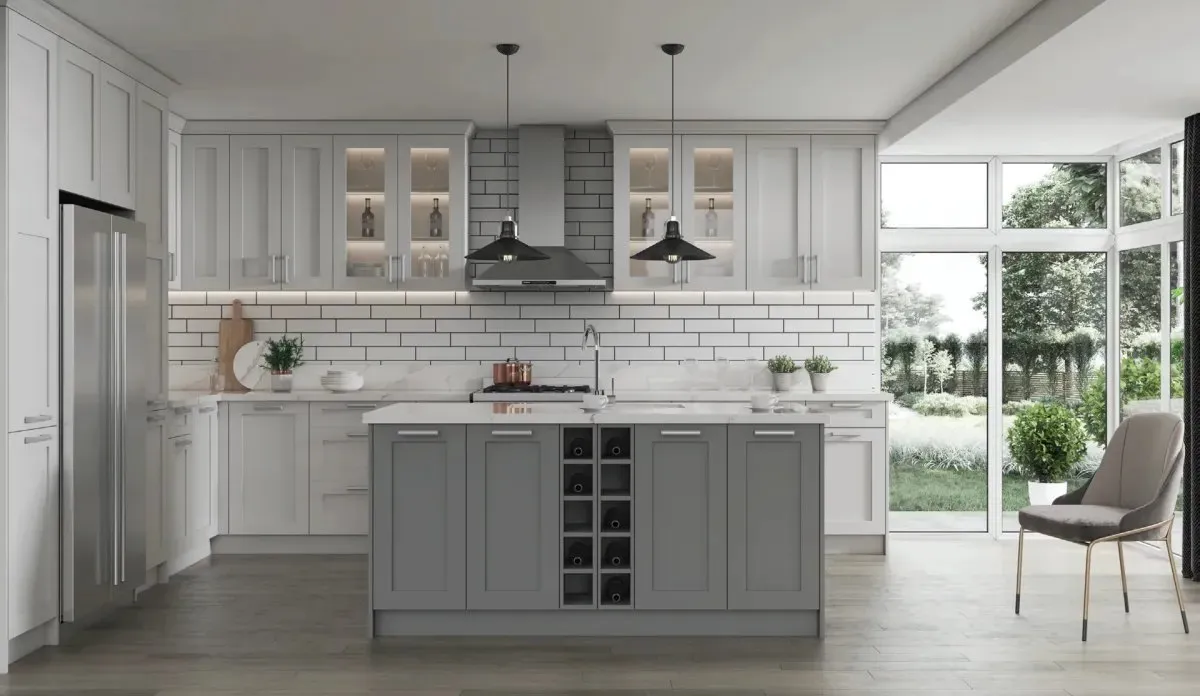
Shaker
Our most popular door. Comes in white, grey, MDF or solid wood.
-
Slim & double shaker
A thinner frame, or a double frame for a bit more detail.
-
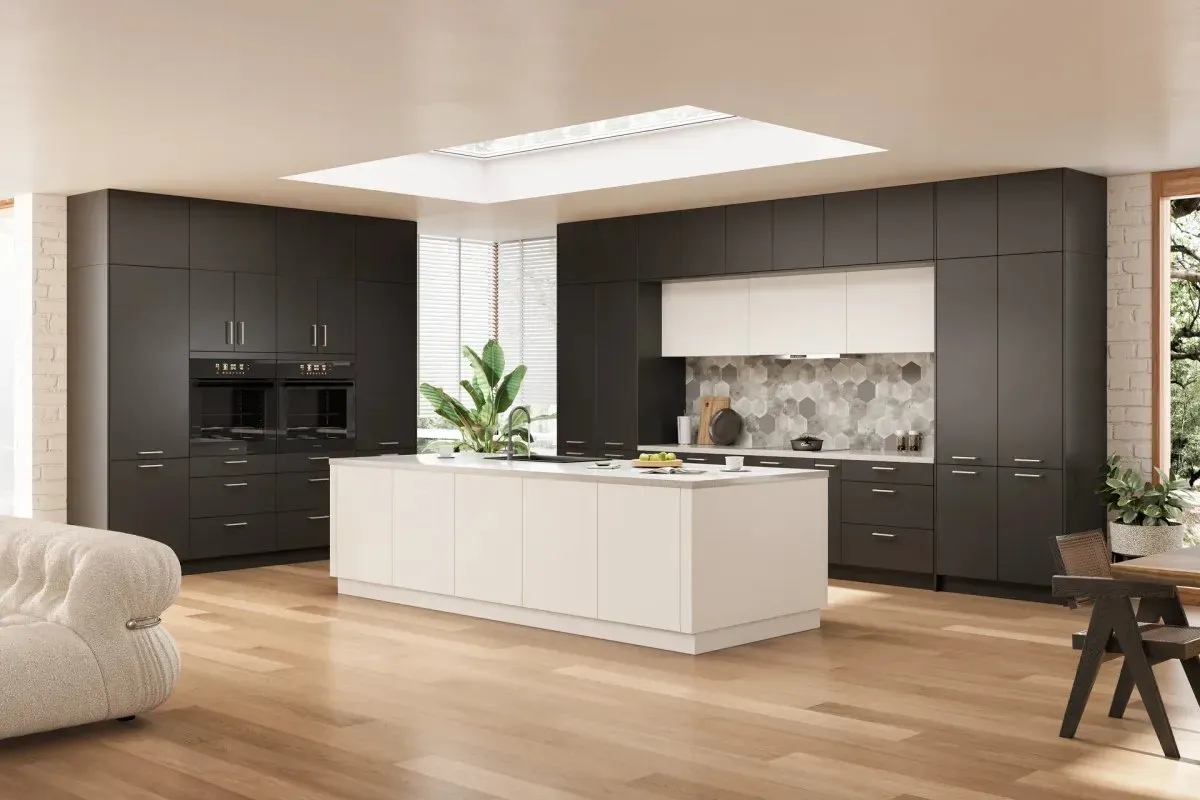
Flat slab
A smooth, flat door in matte or gloss. Clean and modern.
-
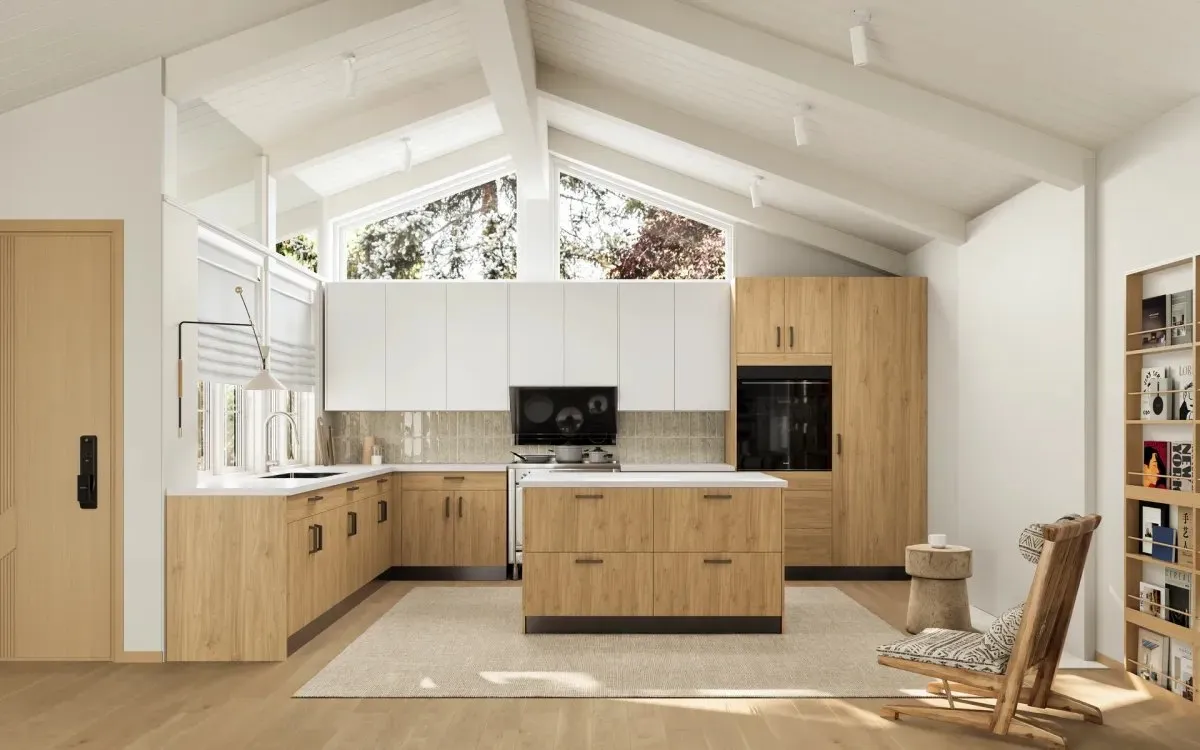
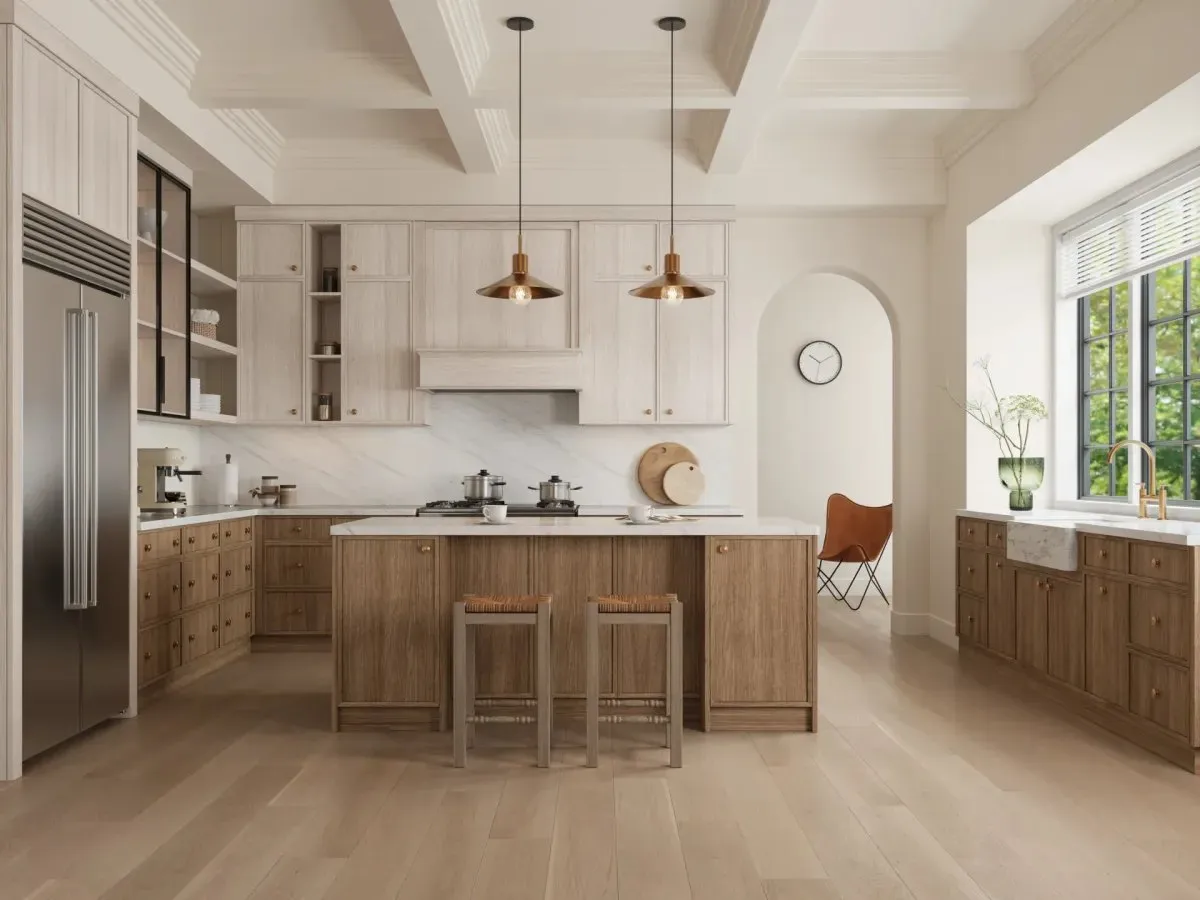
Wood grain
Oak and walnut looks, for a warm, natural kitchen.
What cabinet replacement means
We take out your old cabinets and put in new ones. You get new cabinet boxes, new doors and new drawers.
New cabinets are a good choice when:
- Your cabinets are damaged. For example, the bottoms are swollen from a leak, the shelves sag, or the cabinets are no longer straight.
- You need different sizes. For example, room for a dishwasher, a tall cabinet for a wall oven, or deep drawers where you now have shelves.
- You want a new style. You can pick any of the 40 kitchens in our catalogue.
You can keep your kitchen the way it is laid out now. Your new cabinets go where your old ones are, and the sink, pipes and wiring stay in the same place. This is the simplest and fastest choice.
Keep your layout or get a new one
Do you want a different layout? We design new layouts in house. Our team works with you to plan where each cabinet goes.
A new layout can include:
- An island in the middle of the room
- Longer runs of cabinets
- Tall pantry cabinets
- More drawers and fewer shelves
- Custom panels for panel-ready appliances
If pipes or wiring need to move for your new layout, you choose who does it. We can book and schedule the plumber and electrician, or you can use your own and we work to their schedule. We do not do that work ourselves. Wall work is for your own contractors.
Where your cabinets come from
We buy most of our cabinets from a trusted manufacturer as a dealer. We put every cabinet together ourselves before we install it.
You can see the options before you talk to us. Our kitchen cabinets catalogue has 40 kitchens, sorted by door style:
- Shaker: a simple frame around a flat centre. Our most popular door.
- Slim and double shaker: a thinner frame, or a double frame for more detail.
- Flat slab, matte: a smooth, flat door with a soft finish.
- Flat slab, gloss: a smooth, flat door with a shiny finish.
- Wood grain: oak and walnut looks, for a warm, natural kitchen.
Find one you like and tell us which one. Want a door style that is not in the catalogue? We can have them made to order by our door makers and booth-sprayed.
How it works
- Choose your kitchen. Pick a style from our catalogue. If you want a new layout, we design it with you.
- We remove your old kitchen. This is priced on its own, so you can see the cost.
- We put together and install your cabinets. We install every cabinet level and straight.
- Your countertop is measured. This happens after the cabinets are in, so the countertop fits.
- Your contractors finish up. They connect the appliances, plumbing and electrical.
Steps 1 to 3 take 4 to 6 weeks. That starts when you sign. Steps 4 and 5 are done by your countertop installer and contractors, on their own schedules. We will tell you when our part is done, so you can book them, or we can book and schedule the plumber and electrician for you.
Things to think about before we talk
You do not need to have everything decided. But it helps to think about a few things:
- Which kitchens in our catalogue do you like?
- Do you want to keep your layout, or change it?
- Do you want an island, tall pantry cabinets or more drawers?
- Will you use panel-ready appliances, like a fridge or dishwasher with a matching panel?
- Do you want new handles, crown moulding or a new countertop?
If you are not sure about any of these, that is fine. Our team will talk it through with you when we get your room measurements.
Our warranty
5 years on your cabinets and doors. This covers defects in the materials and in how they were made.
1 year on the installation. This covers how the cabinets were put in. For example, a door that stops closing properly.
The warranty does not cover normal wear, water damage or accidents. If something goes wrong, you call us. You do not have to deal with the manufacturer.
Not sure you need new cabinets?
If your cabinet boxes are still strong and dry, you may not need to replace them. New doors can change the look of your kitchen for less money, and the work is quicker. You can compare your options for kitchen cabinets on our main page. It shows the cost, the time and the work for each choice side by side. That way you can decide what is right for your home before you talk to us.
What it costs
Installed for as low as $300 per linear foot. This covers your new cabinets, put together and installed. A linear foot is one foot of cabinets, measured along the wall. A longer run of cabinets has more linear feet, so a bigger kitchen costs more than a smaller one.
Your price depends on the style you choose and the size of your room. Our team will give you your price after we get your room measurements.
These are priced separately, if you want them:
- Removing your old kitchen
- New handles and hardware
- Crown moulding and trim
- Custom panels for panel-ready appliances
- A new countertop, arranged by us
Once you have your quote, the price will not change.
Questions
Common questions about kitchen cabinet replacement in Vaughan
- How do I get started?
- Contact us or call us and tell us which kitchen you like. Our team will contact you to get your room measurements and talk about your kitchen. Then we give you your price.
- What does $300 per linear foot include?
- It includes your new cabinets, put together and installed. That means the cabinets, doors, drawers and hinges. It does not include the countertop, appliances, plumbing or electrical. Removing your old kitchen is priced on its own.
- Is that the price for every kitchen?
- No. $300 per linear foot is our starting price. Your price depends on the style you choose and the size of your room. Our team will give you your price after we get your room measurements.
- Do I need to send photos?
- No. Contact us and tell us which kitchen you like. Our team will contact you to get your room measurements and talk about how you want your kitchen to look.
- Can you change my layout?
- Yes. We design new layouts in house. You can add an island, tall cabinets or more drawers. If pipes or wiring need to move, we can book and schedule the plumber and electrician, or you can use your own. We do not do that work ourselves. Wall work is for your own contractors.
- Do I have to choose from the catalogue?
- No. If you want a door style that is not in the catalogue, we can have them made to order by our door makers.
- How long does it take?
- It takes 4 to 6 weeks from when you sign to when your cabinets are installed. That is not a finished kitchen yet. After that, your countertop is measured and installed. Then your contractors connect the appliances, plumbing and electrical.
- Do you take out my old kitchen?
- Yes. We remove your old cabinets before we install the new ones. This is priced on its own line, so you can see what it costs.
- Do you install the countertop?
- We can arrange a new countertop for you. It is measured after your new cabinets are in, so it fits them exactly. It is priced on its own line.
- Do you do the plumbing and electrical?
- We do not do that work ourselves. You choose. We can book and schedule the plumber and electrician for you, or you can use your own and we work to their schedule. Any wall work is for your own contractors.
- What is a panel-ready appliance?
- It is a fridge or dishwasher made to be covered with a panel that matches your cabinets. We make these custom panels for you.
- Can I see the kitchens before I choose?
- Yes. You can browse all 40 kitchens in our online catalogue, sorted by door style. Tap any photo to see it larger. When you find one you like, tell us which one.
- Who makes the cabinets?
- We buy most cabinets from a manufacturer as a dealer. We put them together and install them ourselves. If anything goes wrong, you call us.
- What is the warranty?
- 5 years on your cabinets and doors, and 1 year on the installation.
Found a kitchen you like?
Tell us which one. Our team will contact you to get your room measurements and talk about your new kitchen.
Free in-home consultation · no obligation
Refaced. Repainted. Refinished.